Kakheti: where to stay in the land of wine and Georgian hospitality?
Imagine small towns surrounded by lush green plains, with ancient monasteries and churches overlooking them from low hills. Hidden in the far east of Georgia, this little gem is Kakheti. In these fertile green valleys, almost everyone makes their own wine, traditionally produced in qvevri – clay vessels buried in the ground. This wine region is responsible for around 70% of Georgia’s wine production and is the country’s largest wine-producing area. Did you know that winemaking in Georgia dates back more than 8,000 years?
Kakheti is also worth visiting for its wineries, monasteries, hilltop towns and hidden gems like L’akva Village – small family-run guesthouses and farm stays created out of love for the region, its traditions and local culture.
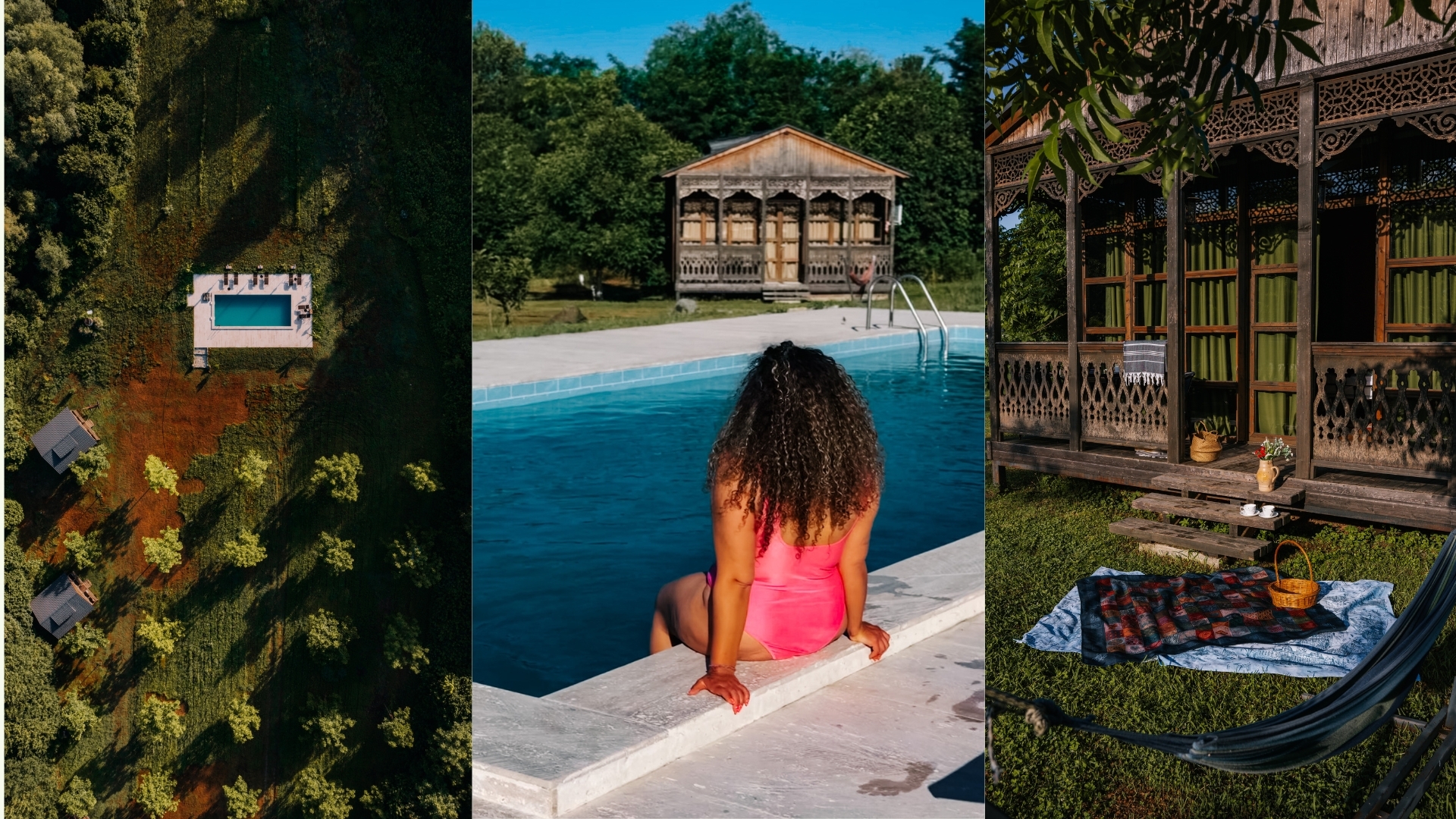
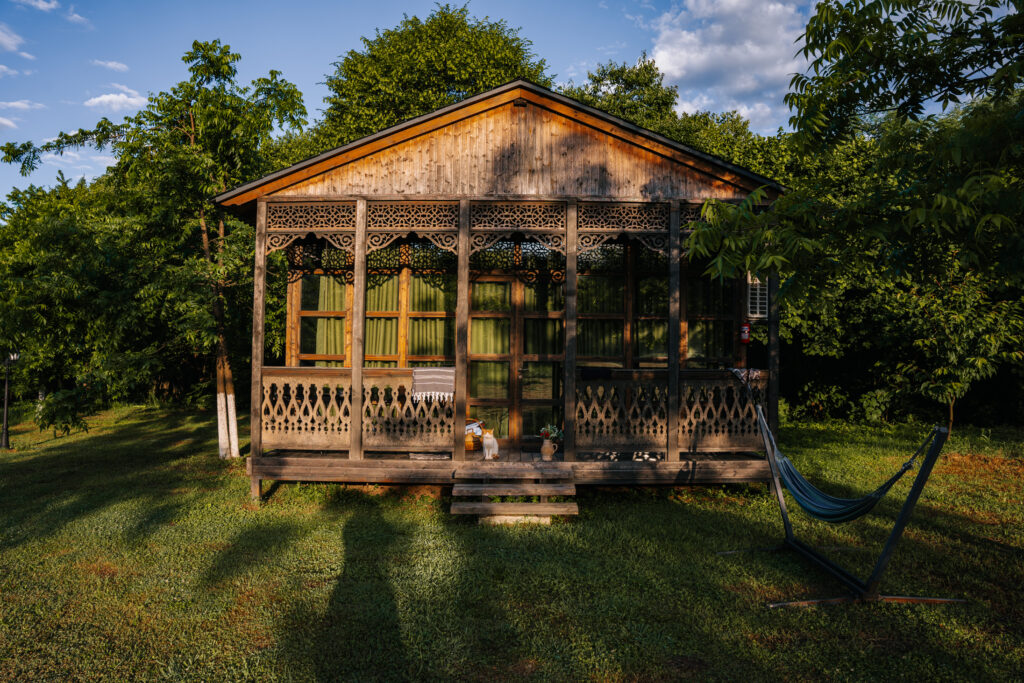
Hidden among the green valleys, the delicate Oda houses are absolutely beautiful. They are designed in a way that could easily earn them a feature in Vogue Living – a perfect example of design rooted in local culture and history, while combining beautiful aesthetics with incredible comfort.
It’s one of those places that stays with you long after you leave – not only because of its stylish interiors and beautiful views, but above all because of the wonderful hosts who have created this place with so much heart and soul. What makes L’akva Village truly special is Meka, her husband and children, the cats and dogs – all these little elements of everyday life that make you feel the warmth of genuine Georgian hospitality.
A wonderful place with soul, where time seems to slow down – somewhere between petting the cats, taking a breath among the green vineyards and enjoying a swim in the pool.
L’akva Village: about the place
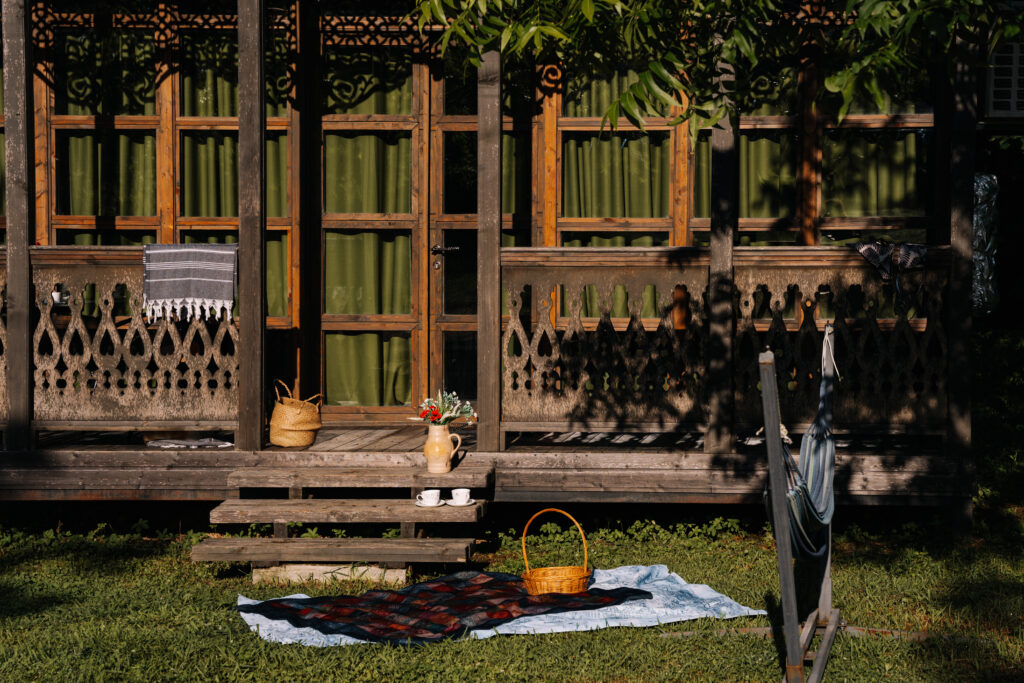
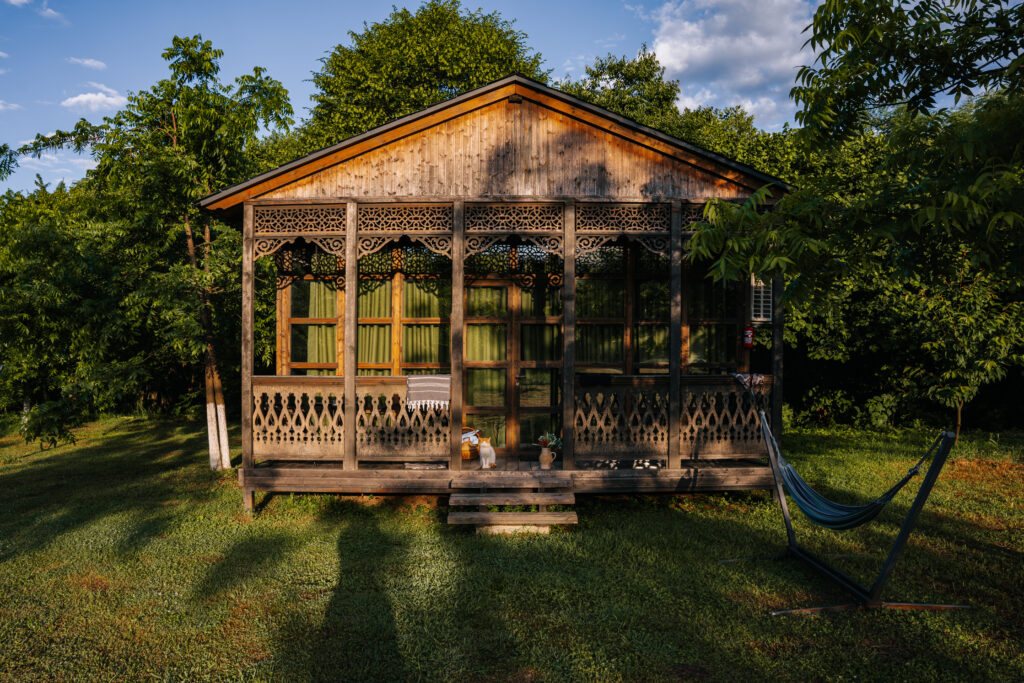
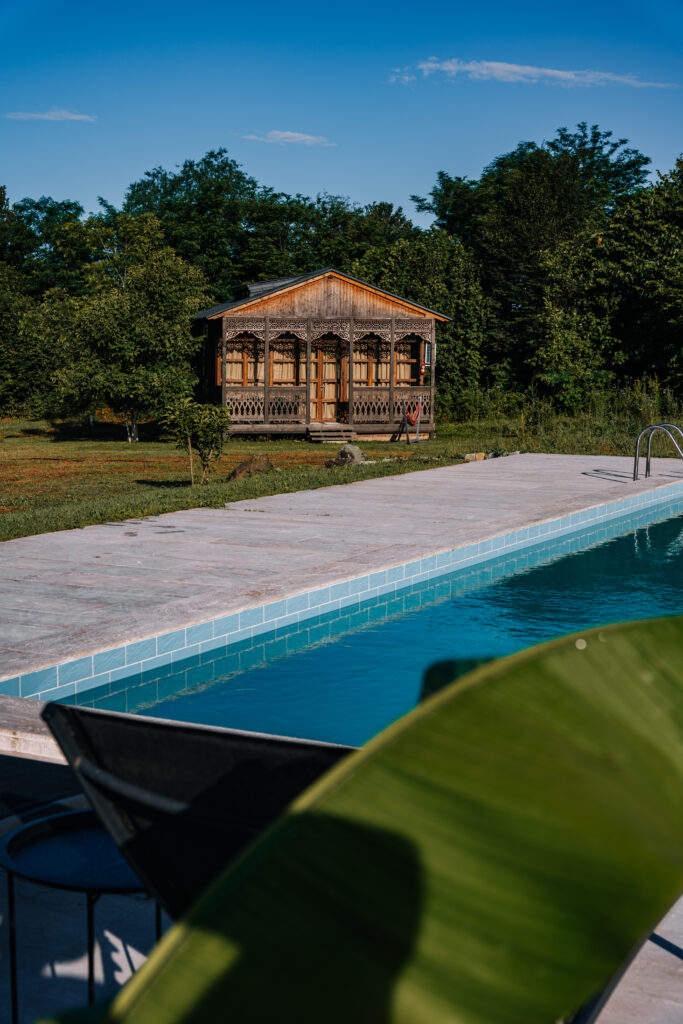
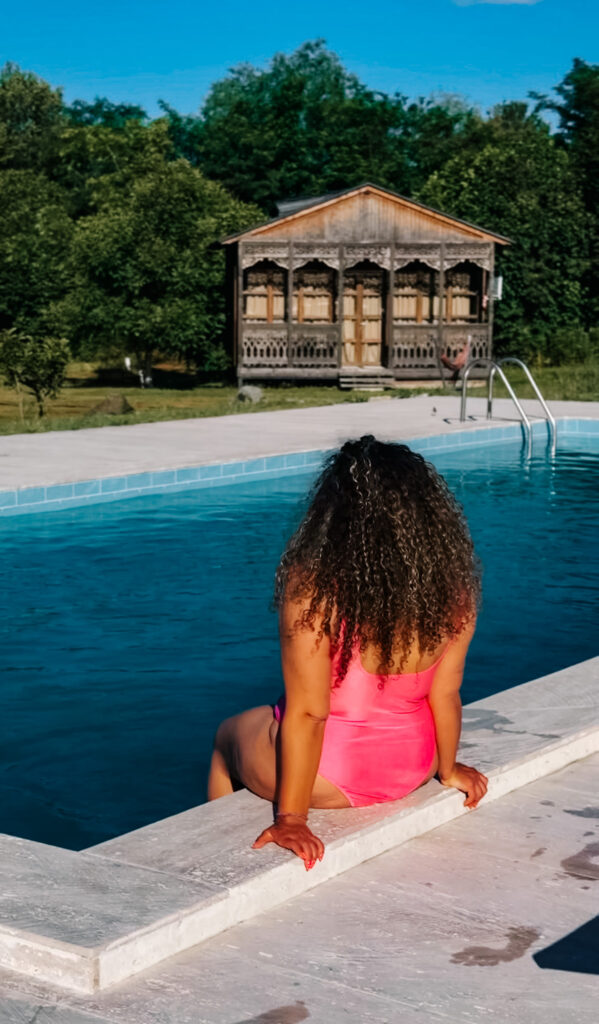
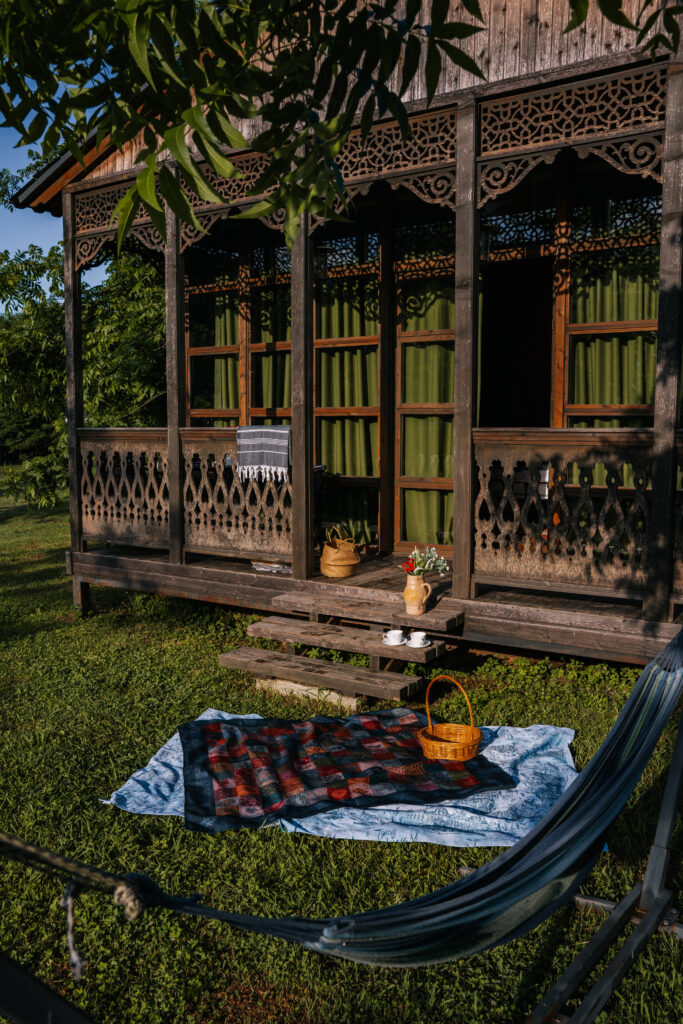
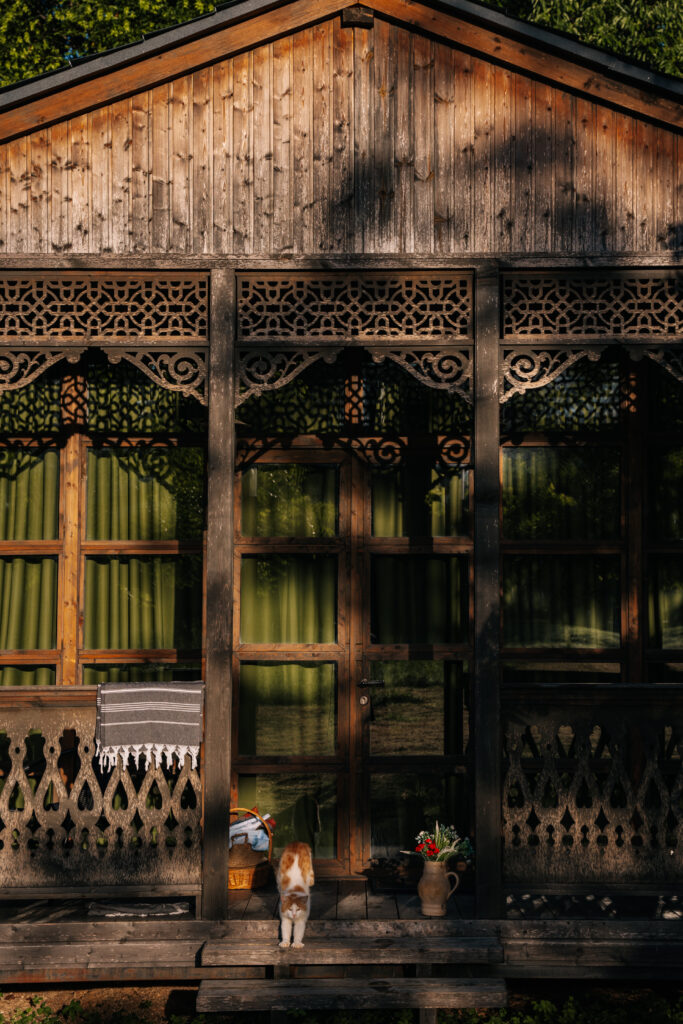
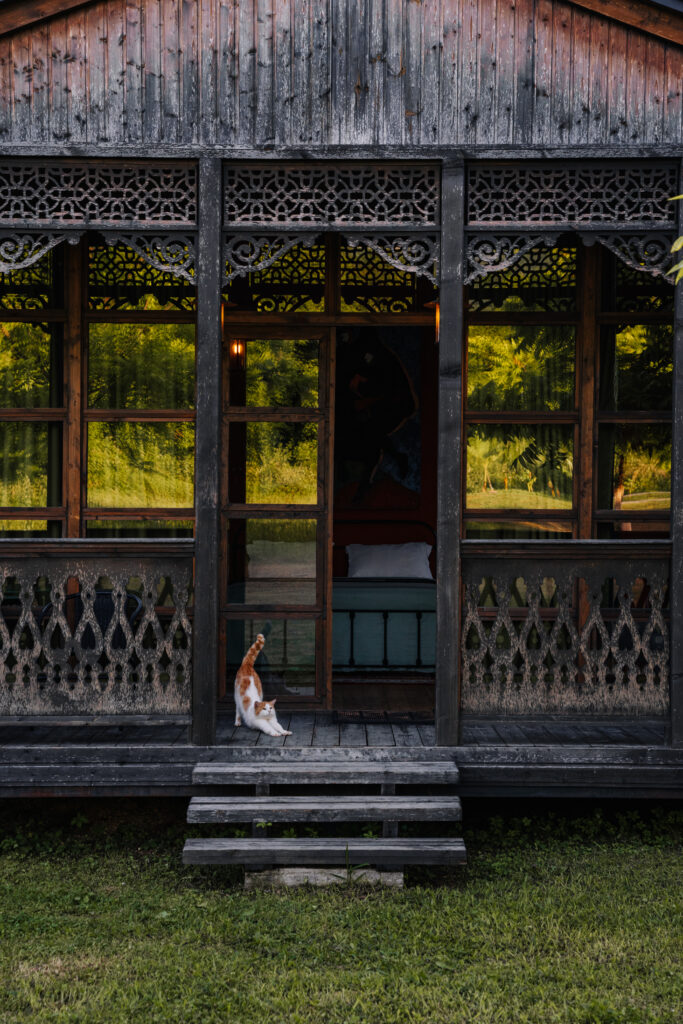
Oda houses are one of the symbols of traditional Georgian architecture. They were traditionally built from wood without using nails, relying on a complex system of joints that even allowed the entire structure to be dismantled, moved and reassembled elsewhere. Their most distinctive feature was their wide, openwork balconies, which were the showcase of the house and its owners – not only beautiful, but also an important part of everyday life. This was where people spent their time, welcomed guests and enjoyed being close to nature. Today, only a few of these houses remain.
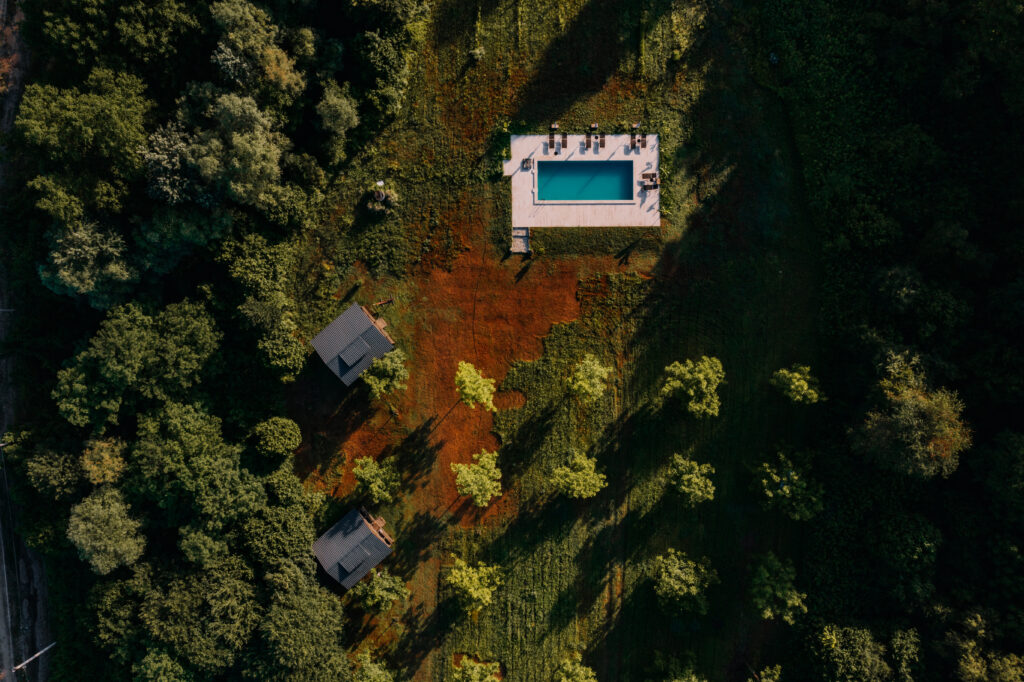
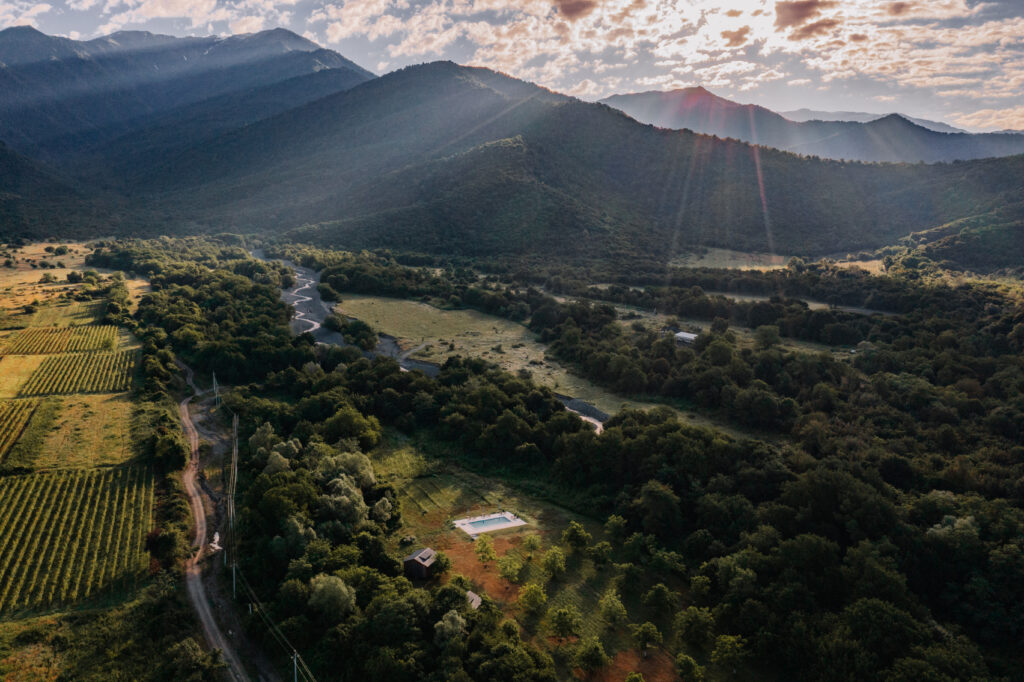
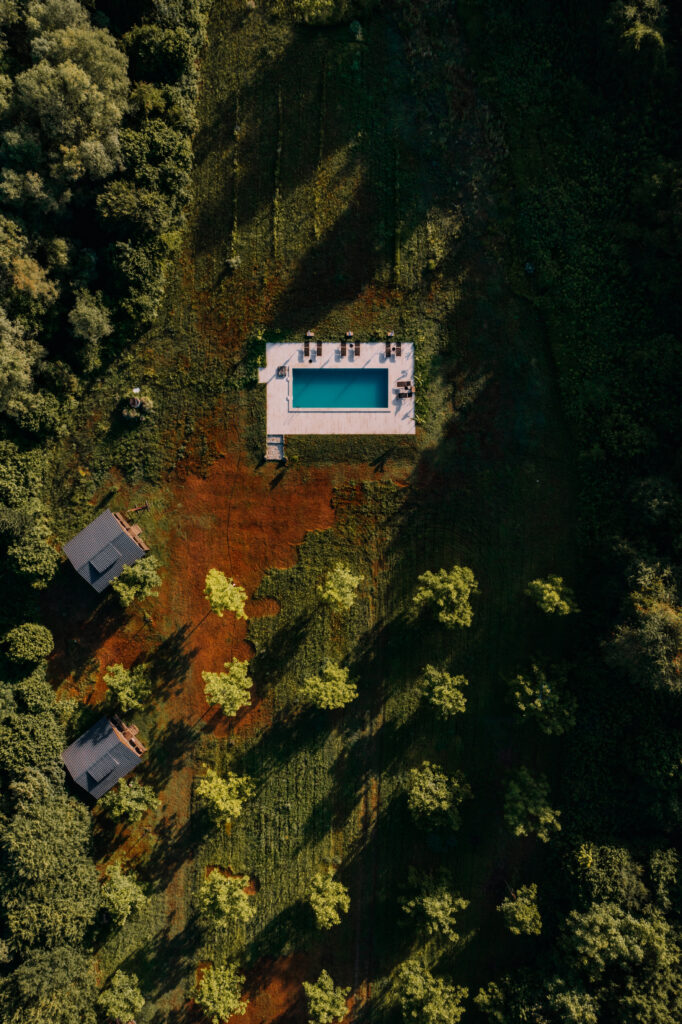
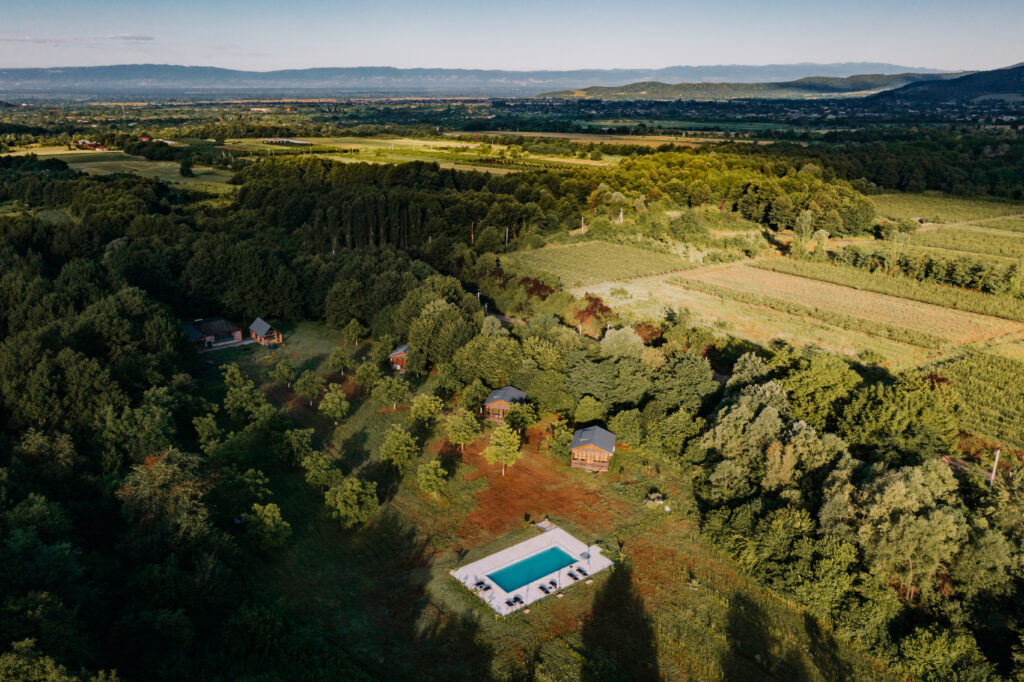
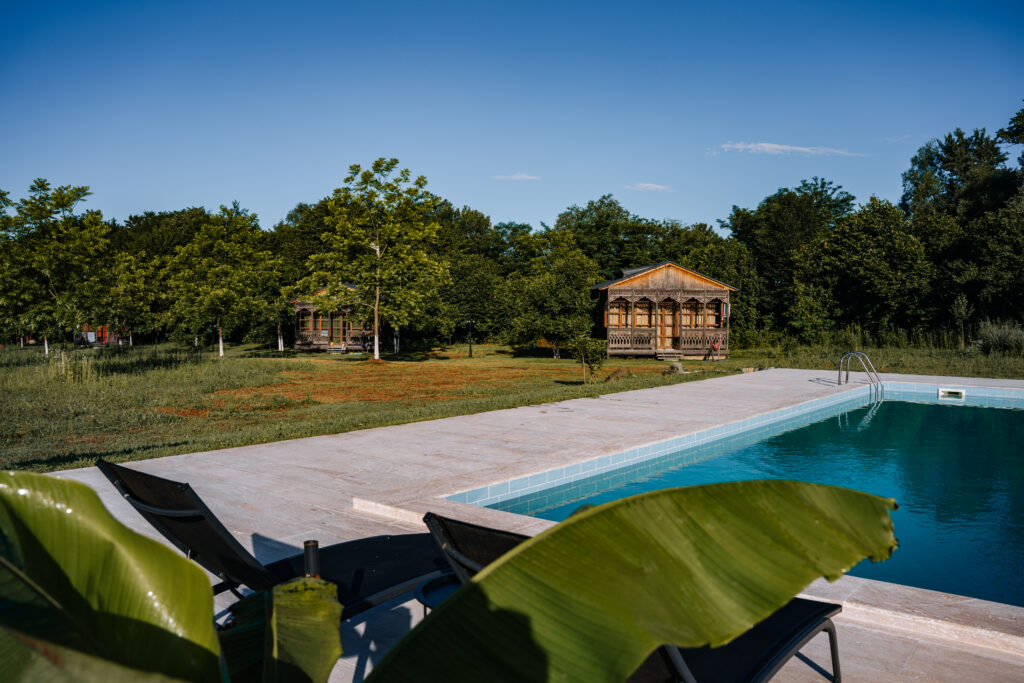
And this is the tradition that inspired the three delicate Oda houses at L’akva Village. This intimate retreat near Lagodekhi, in Kakheti, is described as the birthplace of a contemporary Georgian interpretation of the Oda house. Instead of one large hotel, you’ll find three small houses inspired by traditional Oda architecture, combining its characteristic wooden structure and delicate, openwork balconies with modern comfort.
And this combination was what impressed me the most. L’akva is not a lifeless open-air museum, an idealised version of the past or an attempt to recreate bygone times exactly as they once were. It is a living interpretation of Georgian tradition, where history, local architecture and contemporary design come together in an incredibly natural way.
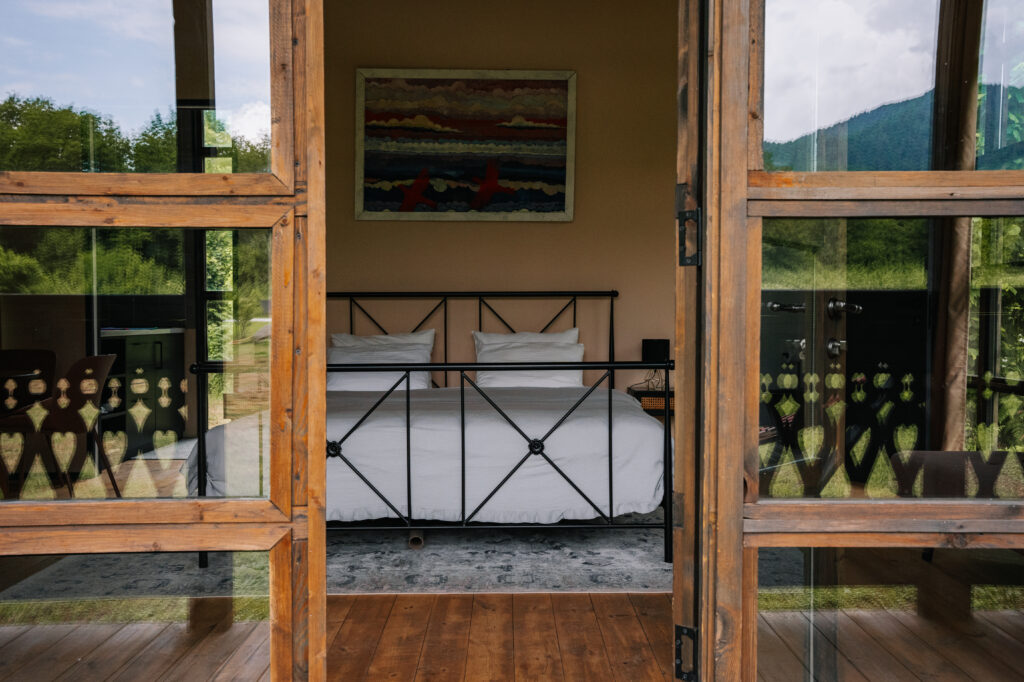
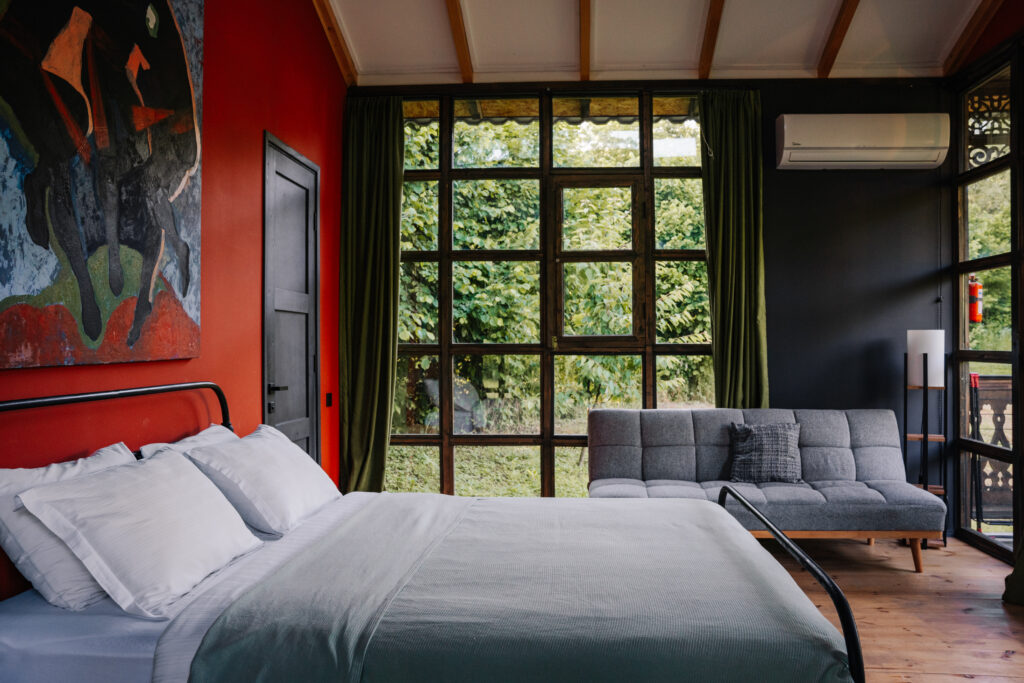
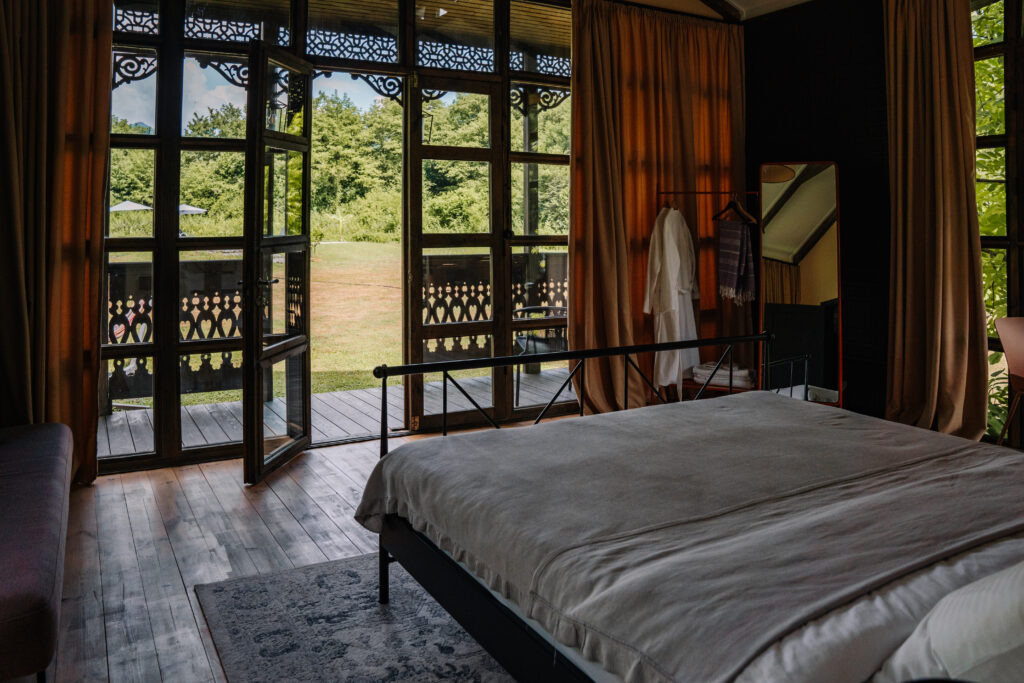
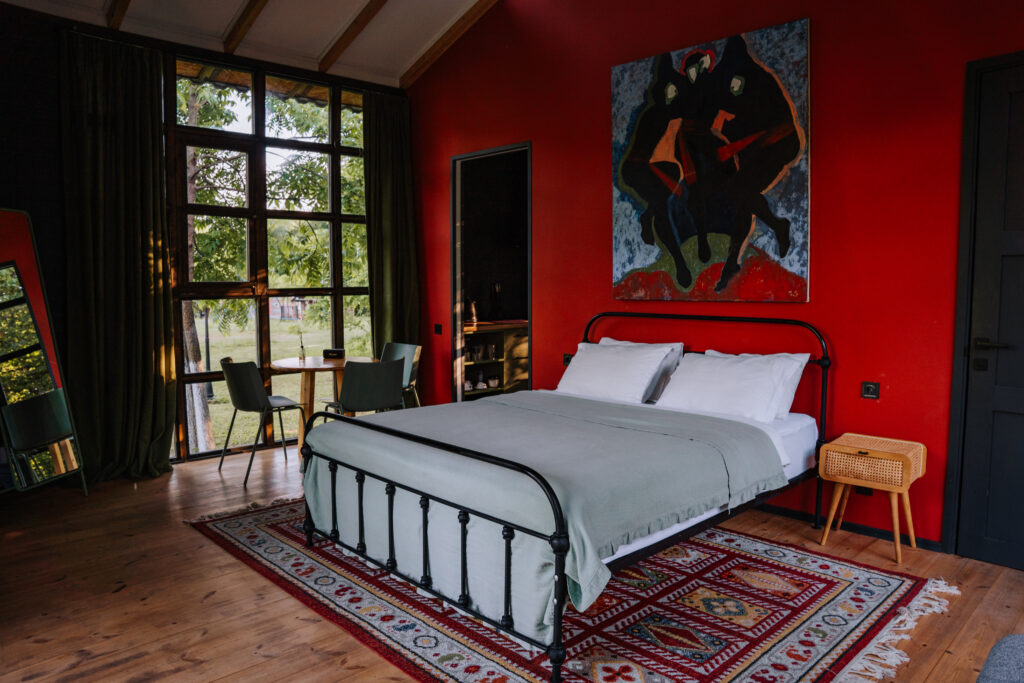
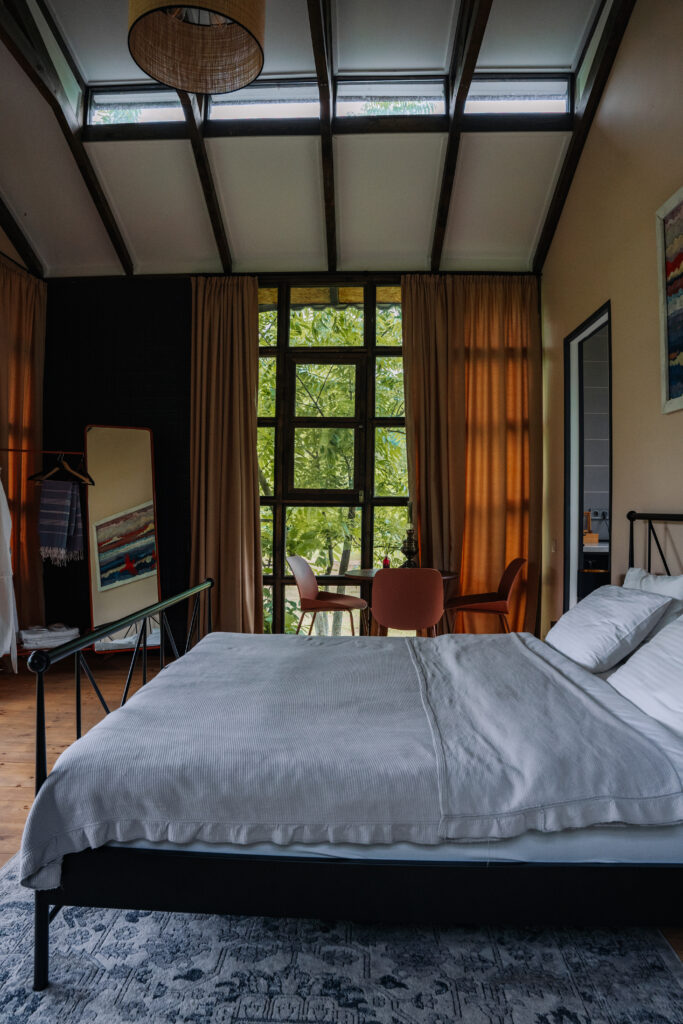
Each of the houses is fully equipped, cosy and carefully designed down to the smallest detail, while still retaining something of the character of the old, delicate Oda cottages.
And then there are the owners, their family and their animals! This is where another side of L’akva begins – one that cannot be captured in photographs alone. They are what makes this place so much more than beautiful design and comfortable interiors. It is run with an enormous amount of love – for its guests, history, traditions, local culture and Georgian hospitality. The warmth of the hosts, the tranquillity and the unique atmosphere of this place make you want to do nothing but stay here, rather than explore the surrounding area – let alone leave.
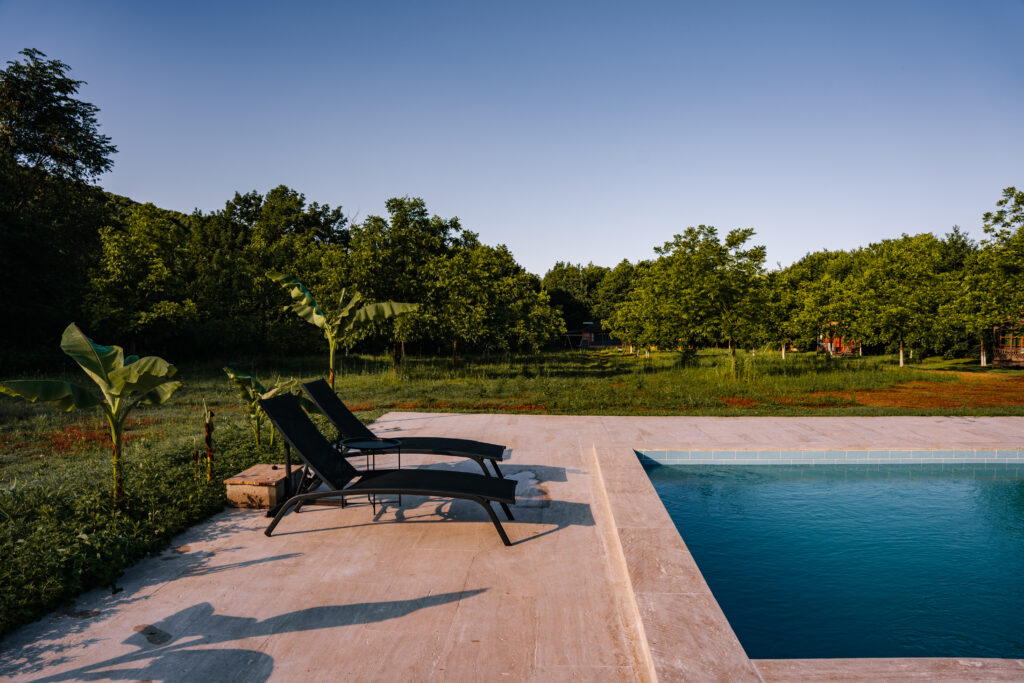
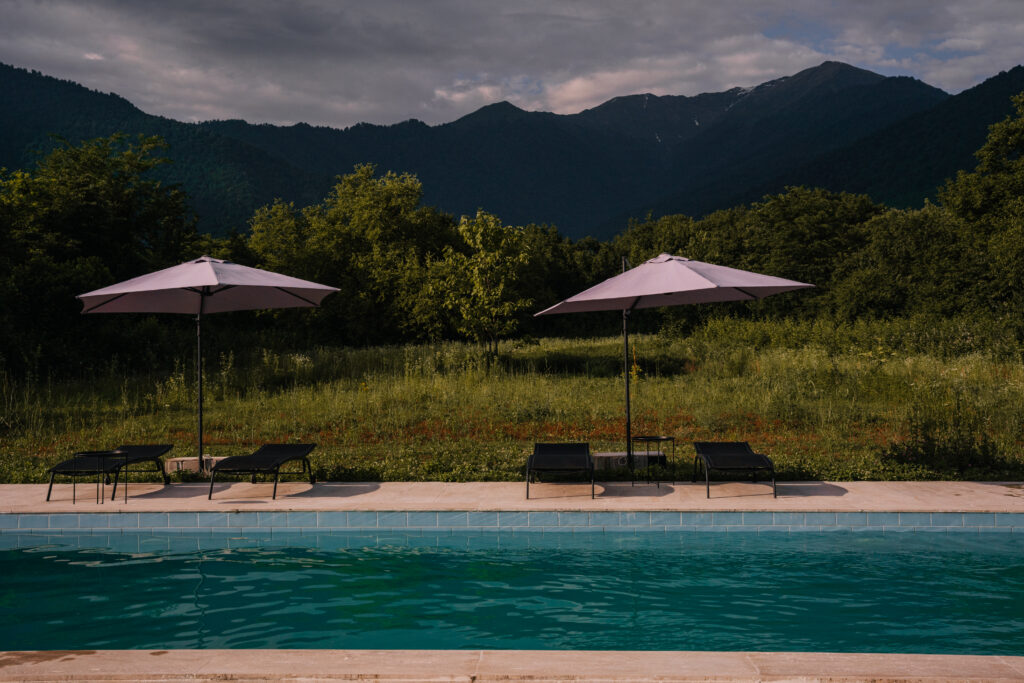
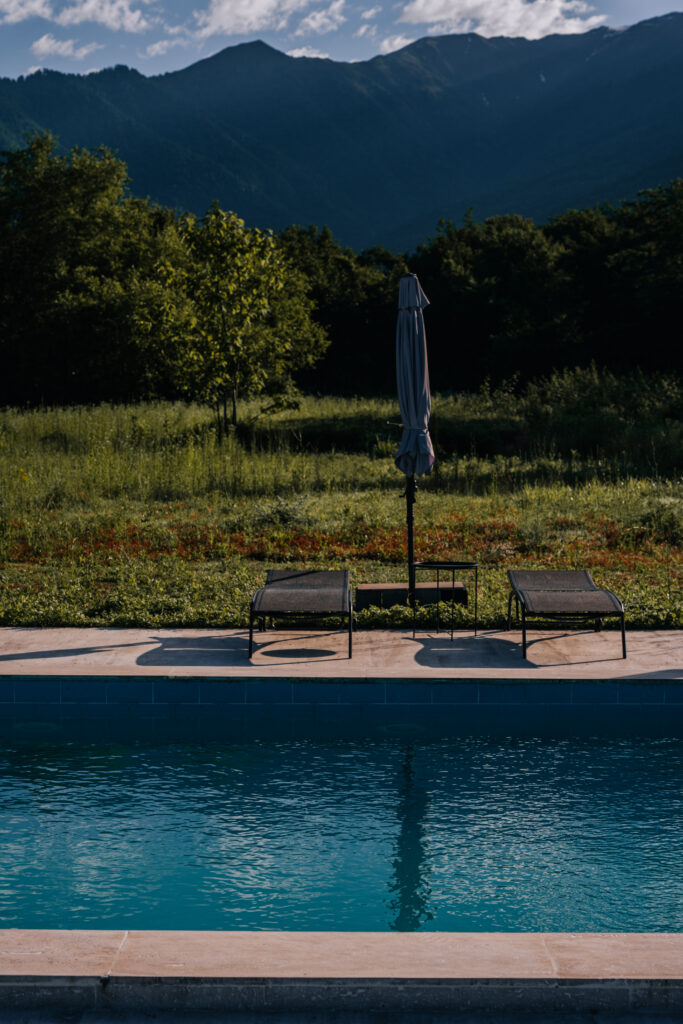
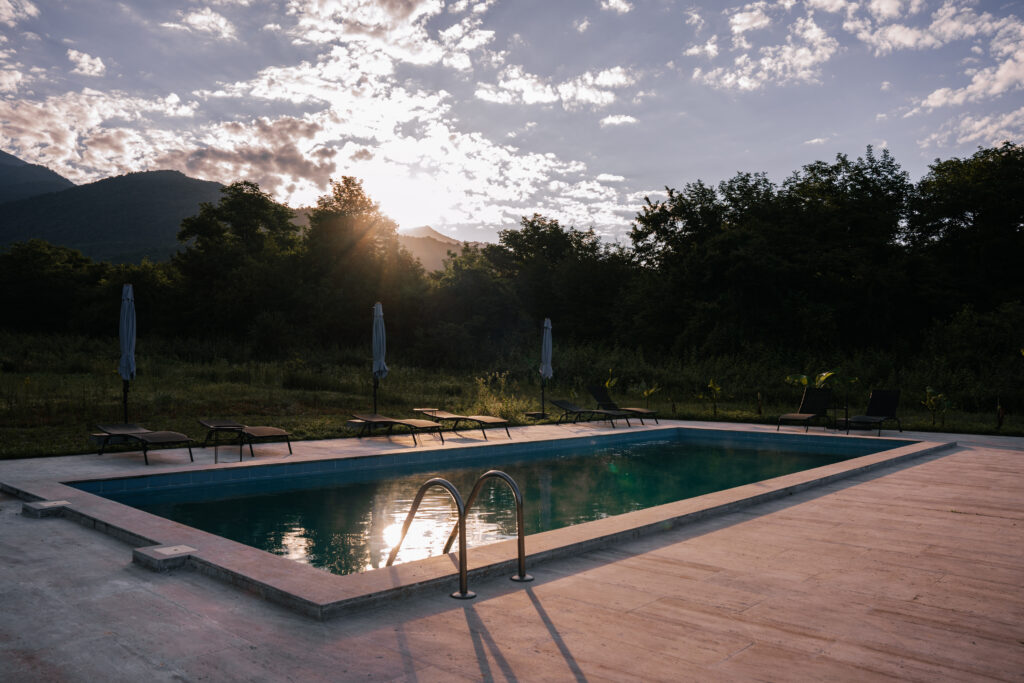
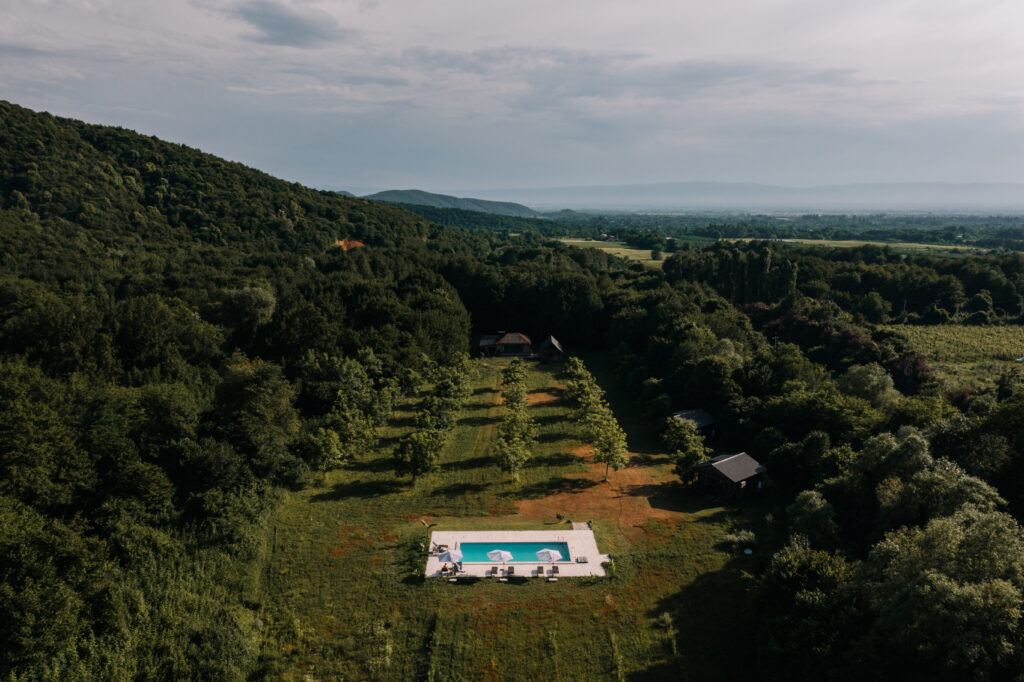
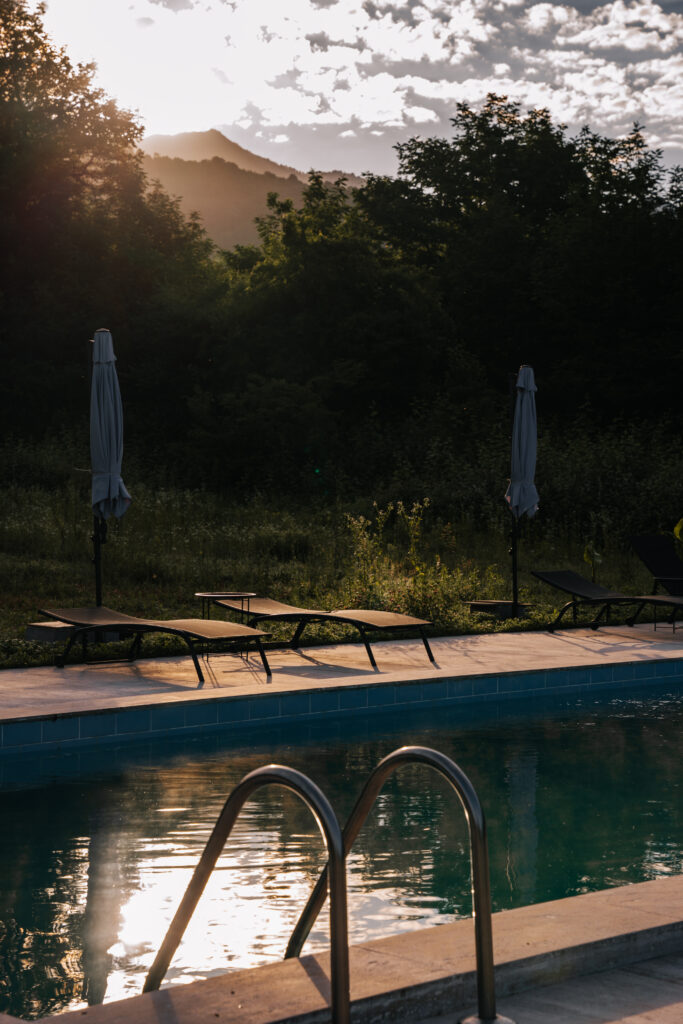
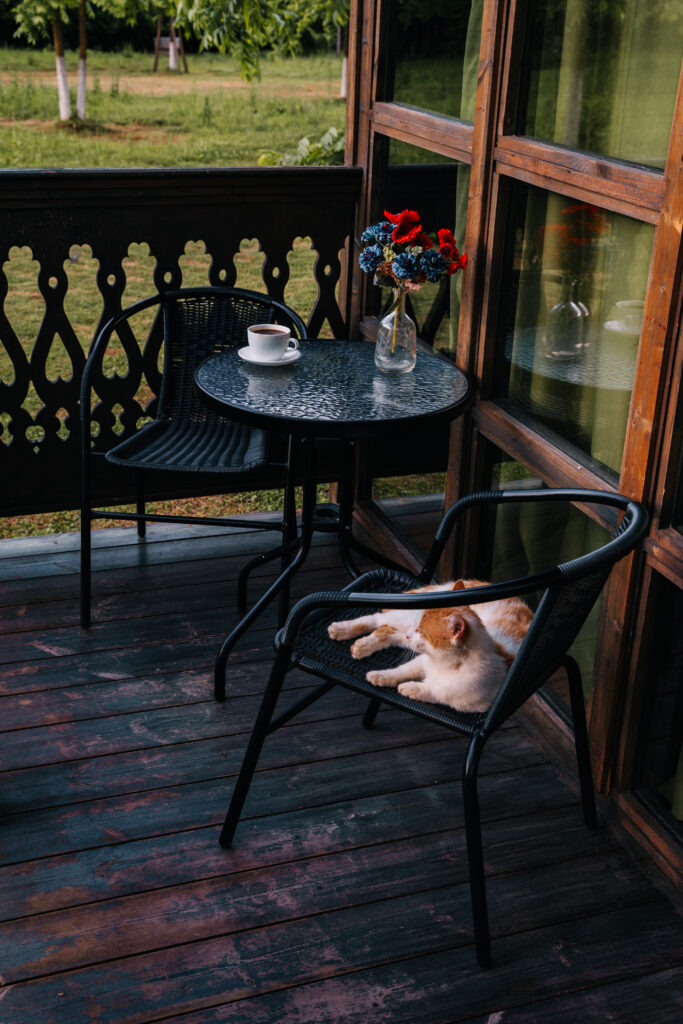
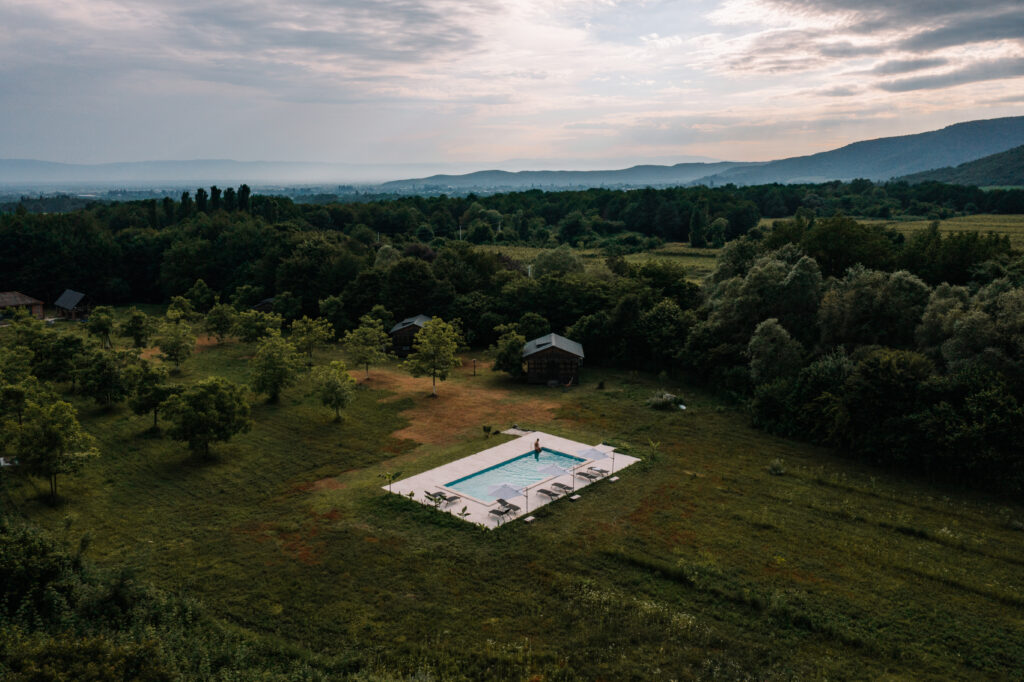
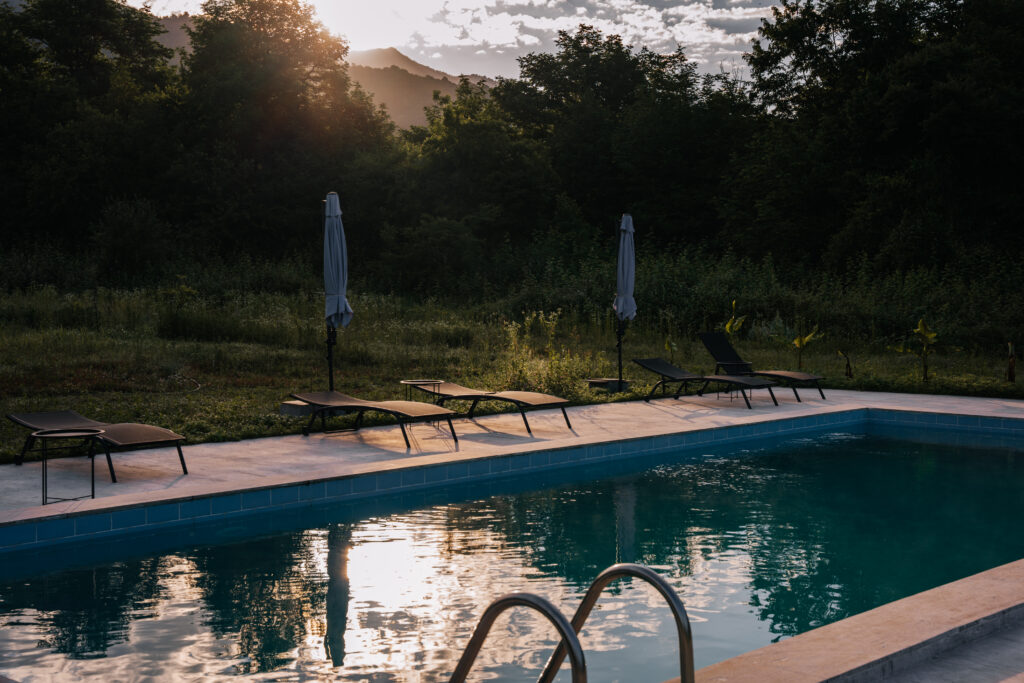
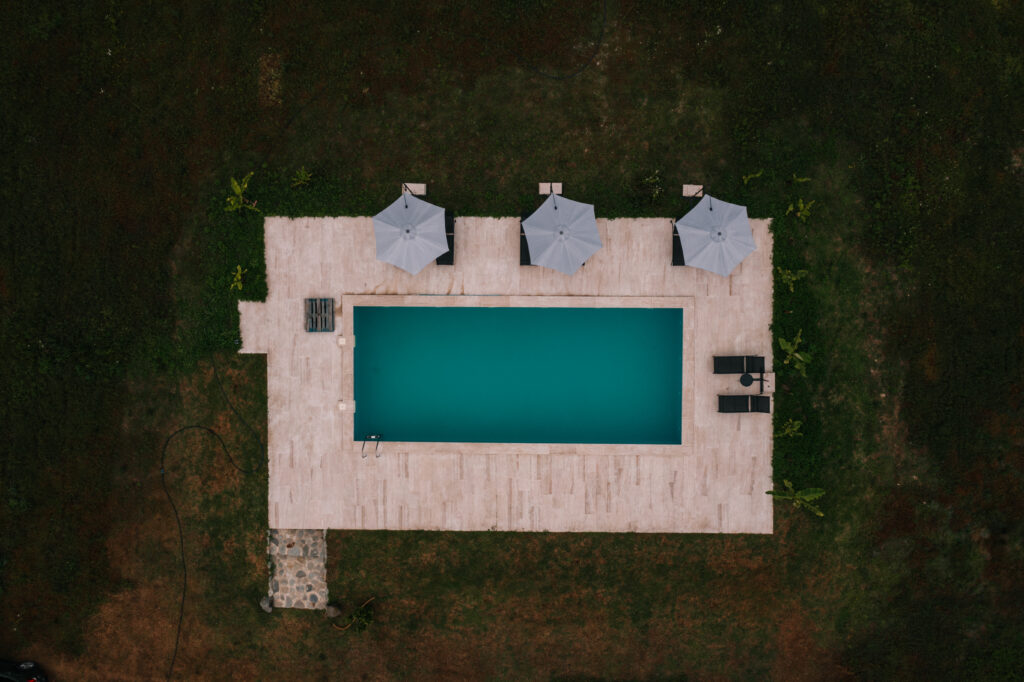
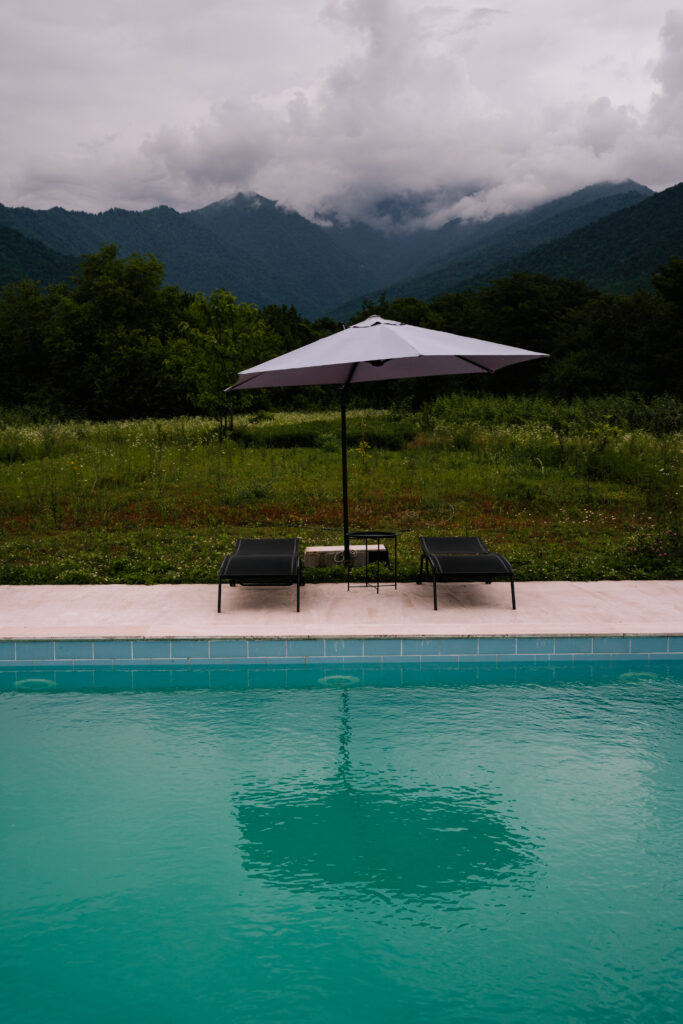
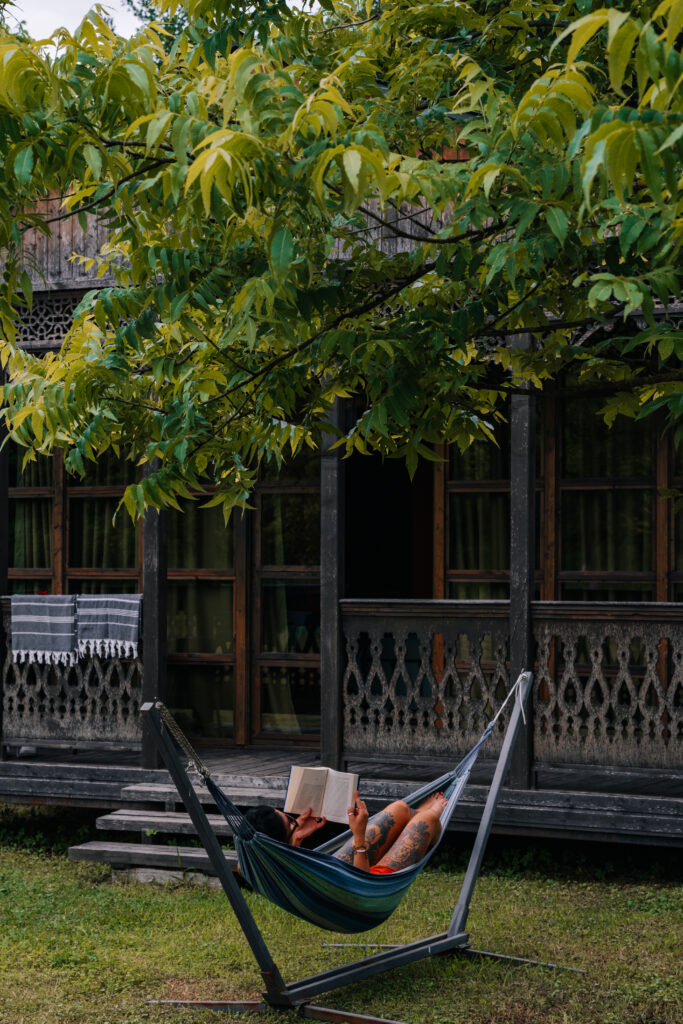
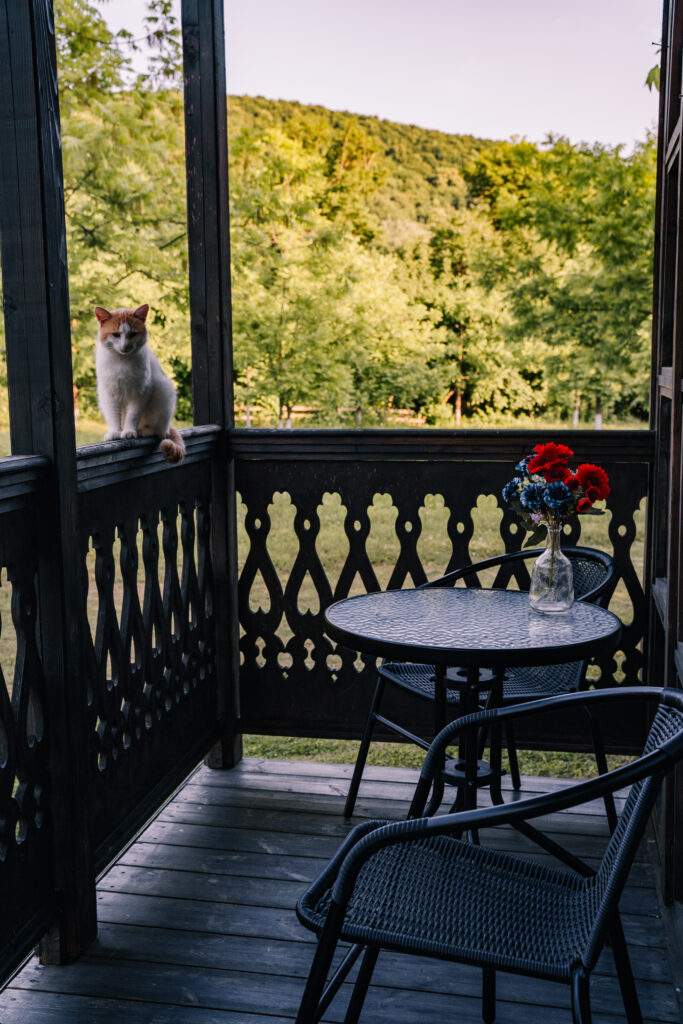
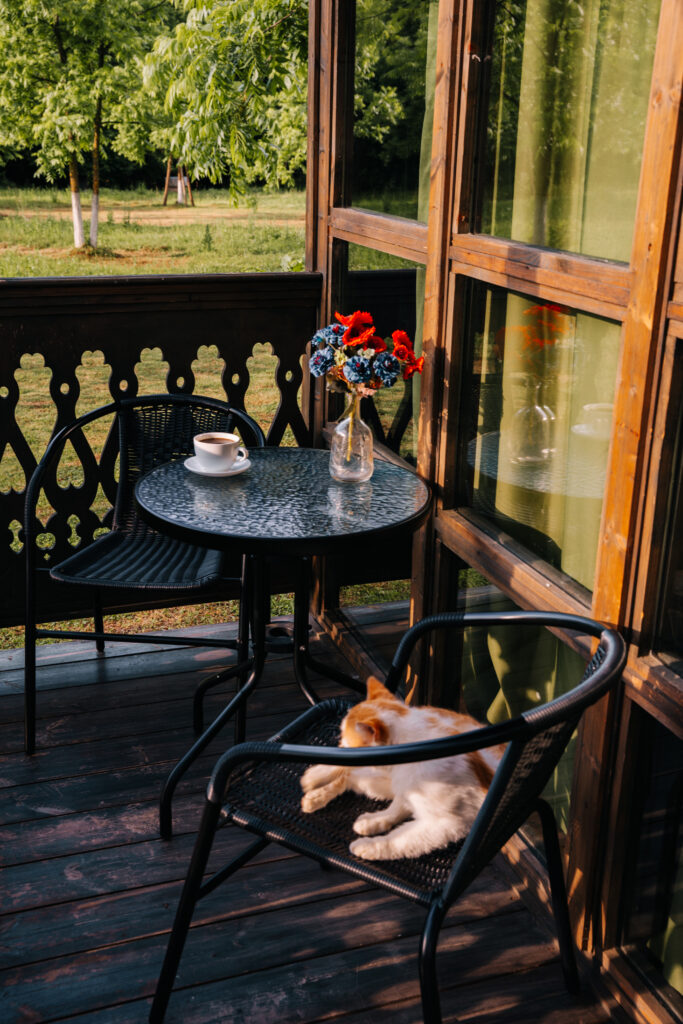
The property is surrounded by peace and nature. L’akva lies among fields, vineyards and forests, with views of the mountains, and there is also a swimming pool on the grounds. Kito, the resident cat, comes to join me on the terrace where I’m reading, while the setting sun bathes everything in a warm golden light.
That is the magic of L’akva: a place built around the idea of slowing down and experiencing Georgia in a slightly different way. It invites you to laze around and truly unwind in nature, while still being perfect for those who appreciate air conditioning, comfortable beds and beautiful interiors – the kind of comforts you won’t find at a campsite.
Interios and amenities
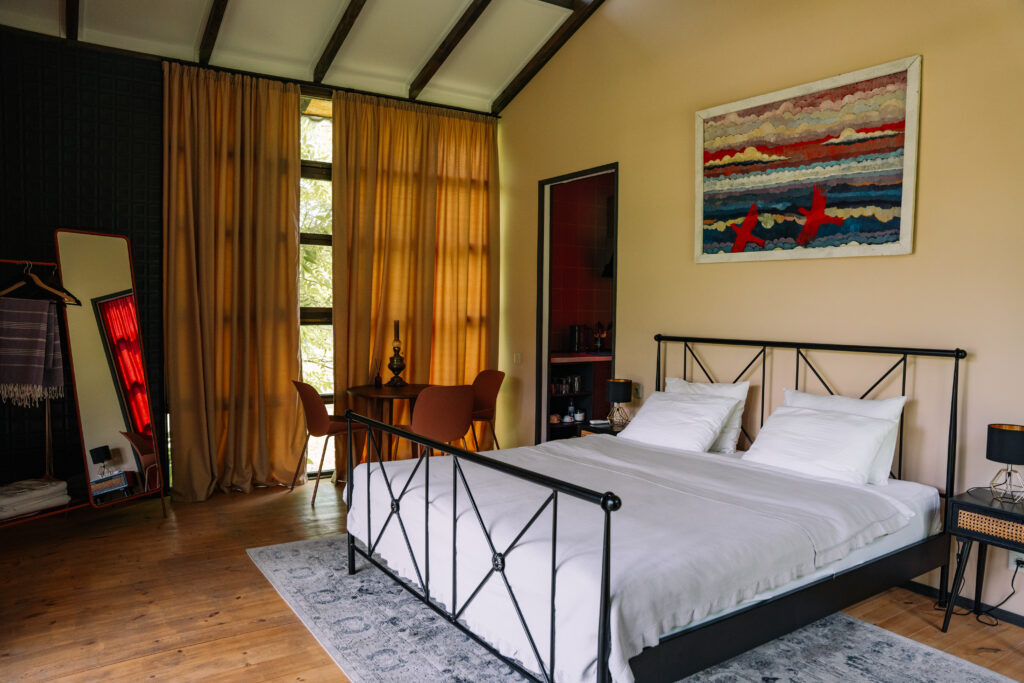
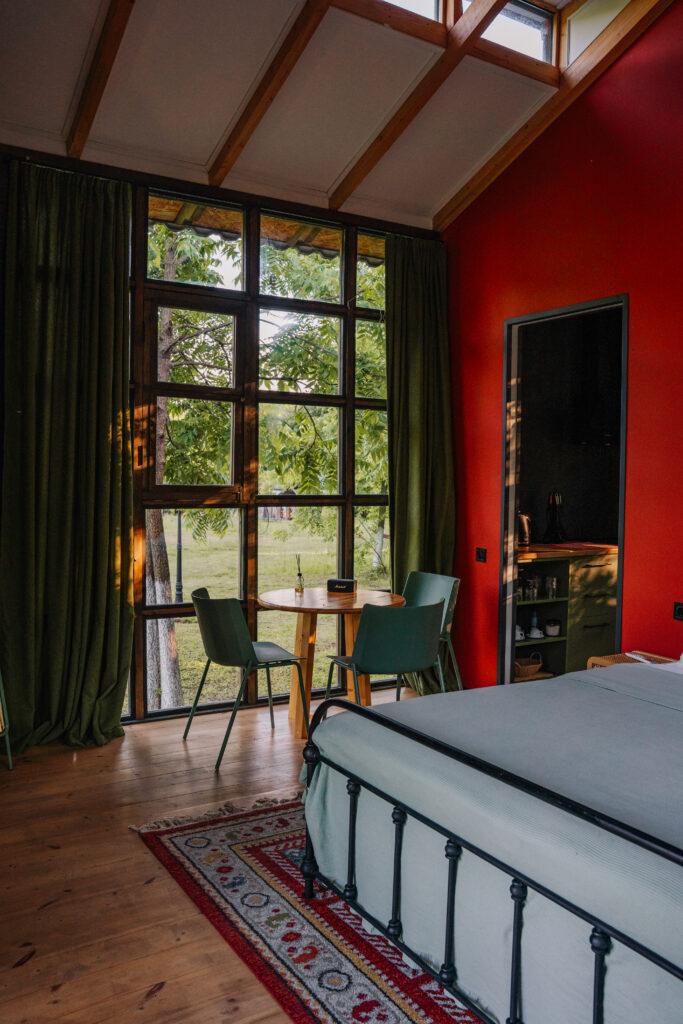
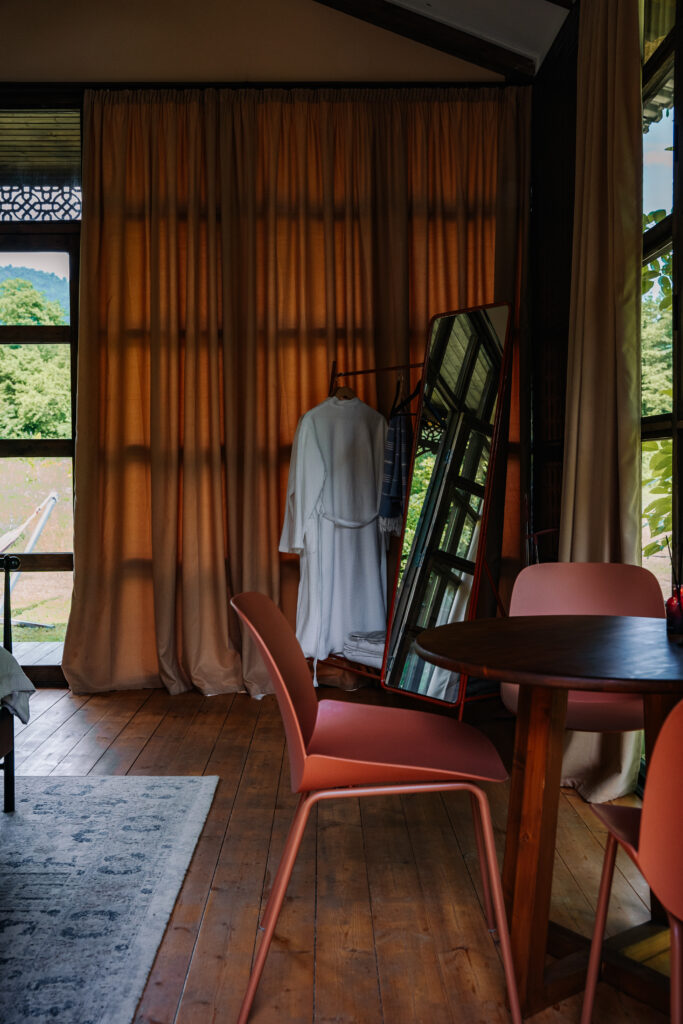
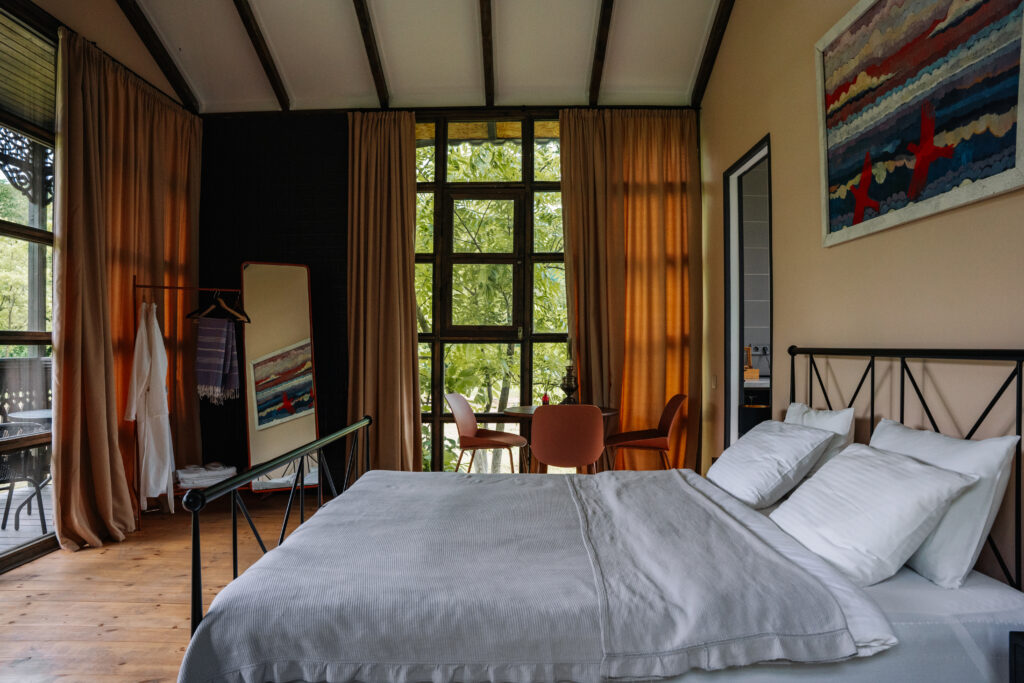
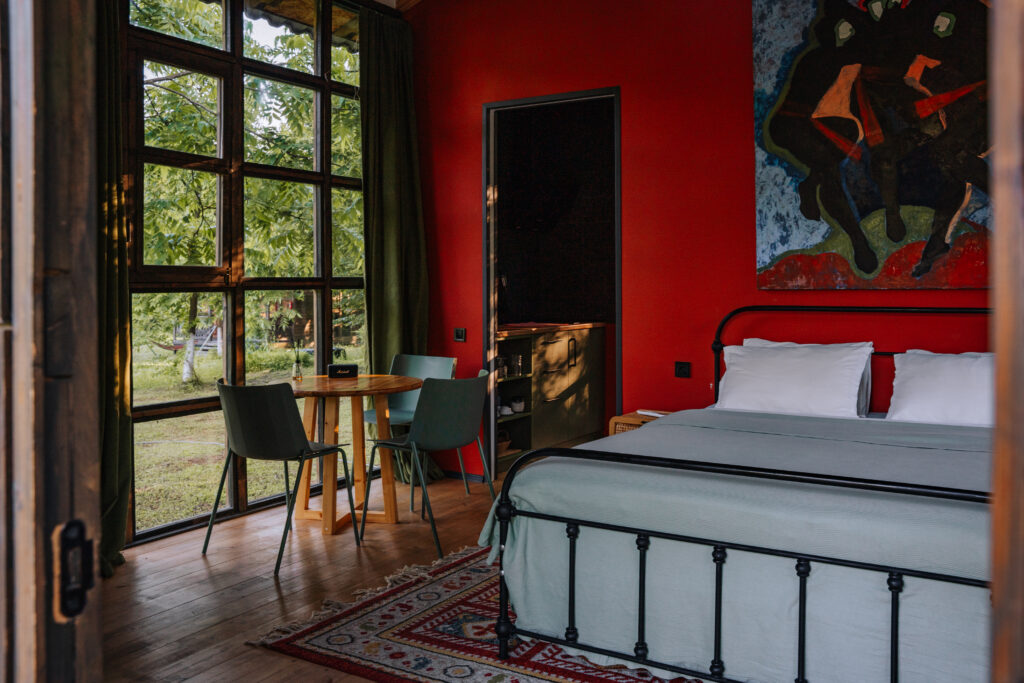
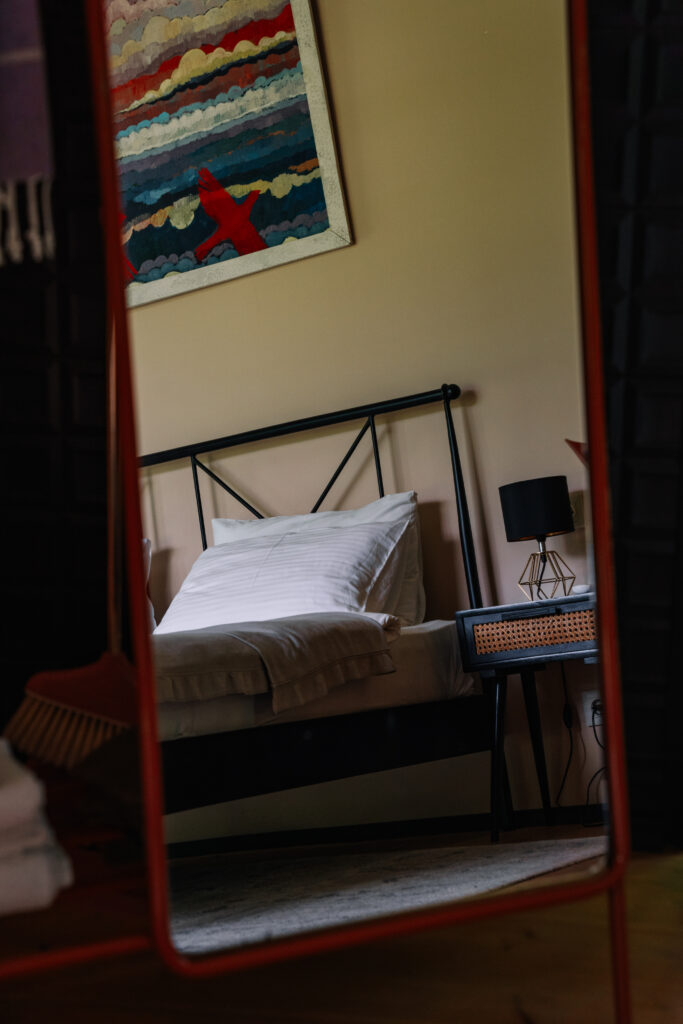
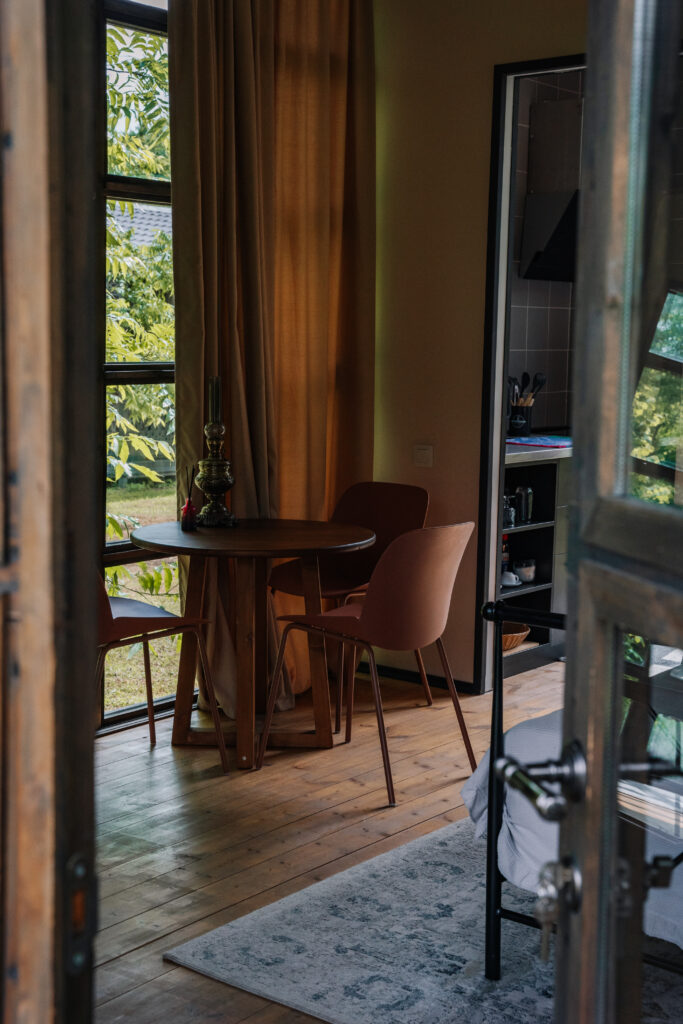
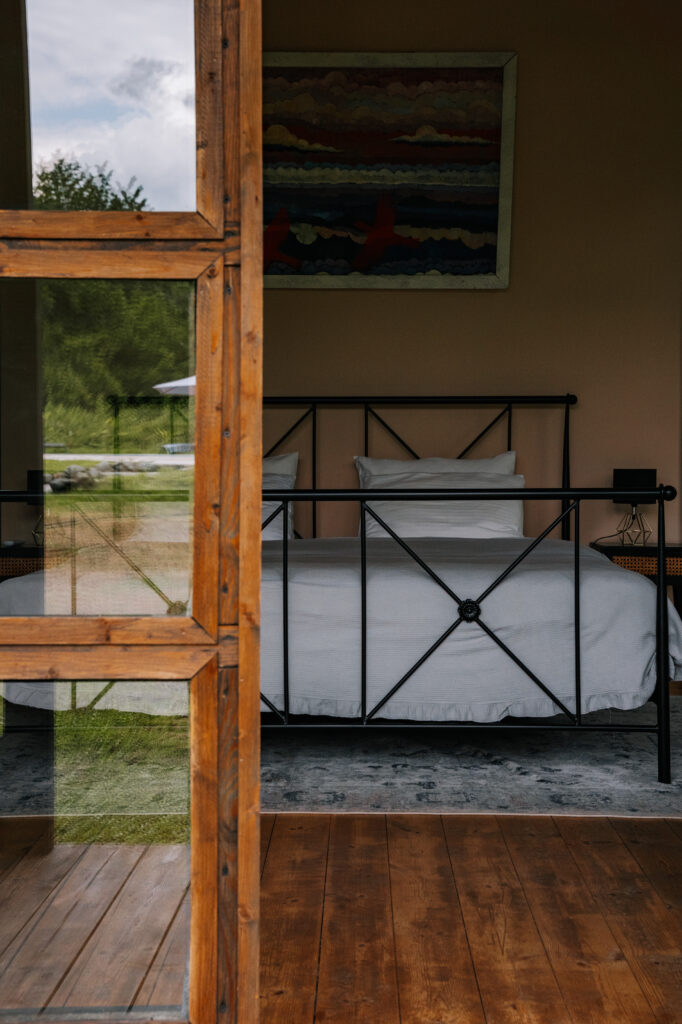
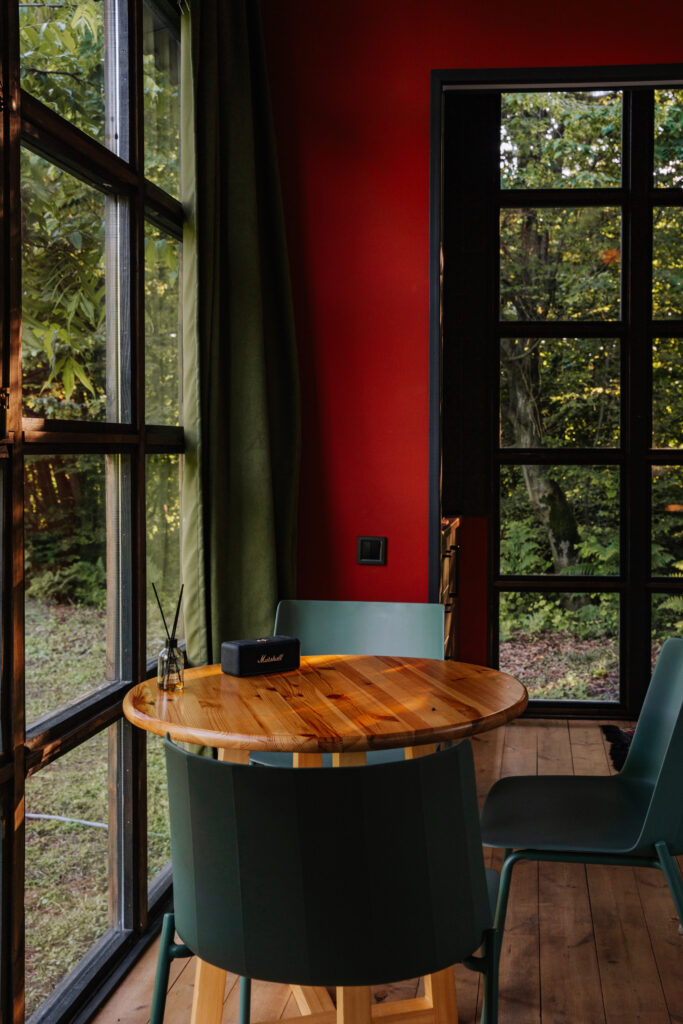
Although L’akva Village draws heavily on traditional Oda architecture from the outside, it is hard to call the interiors a return to the past. The three small houses were designed to preserve their original character while providing everything you could expect from a contemporary, intimate retreat. Large windows flood the interiors with light and make nature feel like part of the space – from the houses, you can admire the greenery, forests and mountains. The design is so refined (including the Marshall speakers) that this place could easily find its way into the pages of Vogue Living. It feels soft and cosy: there are blankets, remarkable artworks by local artists inspired by the region’s traditions and history, plenty of wood and natural materials. At the same time, the interiors never feel cluttered. The carefully chosen details create a space where modernity meets local character.
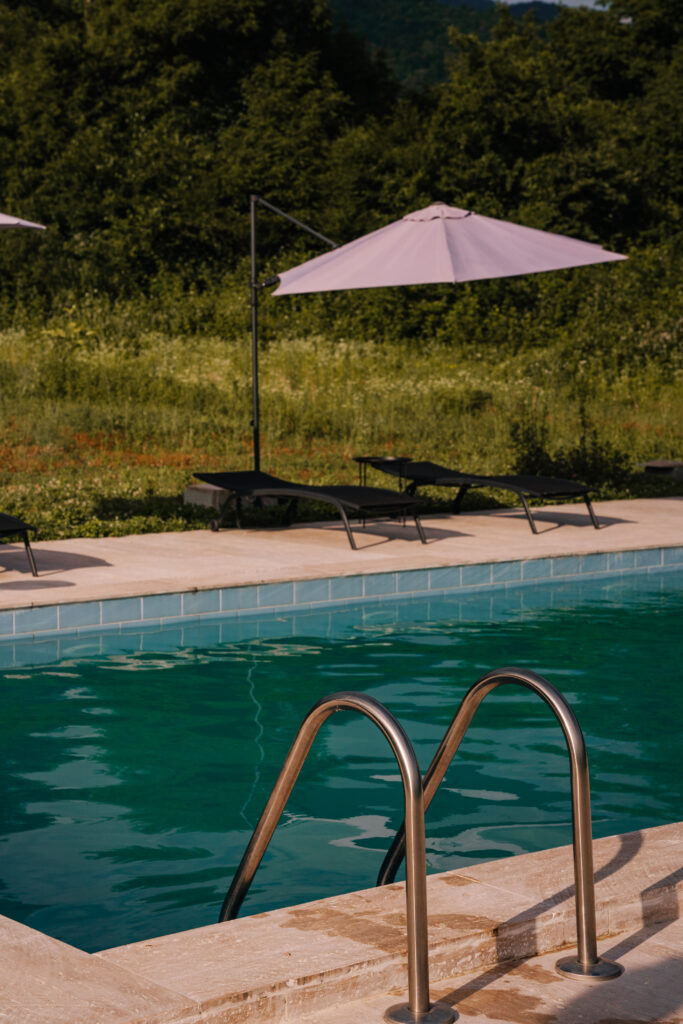
Each house is fully equipped: it has its own bathroom, air conditioning, Wi-Fi, a fully equipped kitchen and a terrace overlooking the surrounding nature. Everything you might need for a peaceful stay is here too: private parking, towels and bathrobes, as well as a swimming pool and a place to relax outdoors on the property.
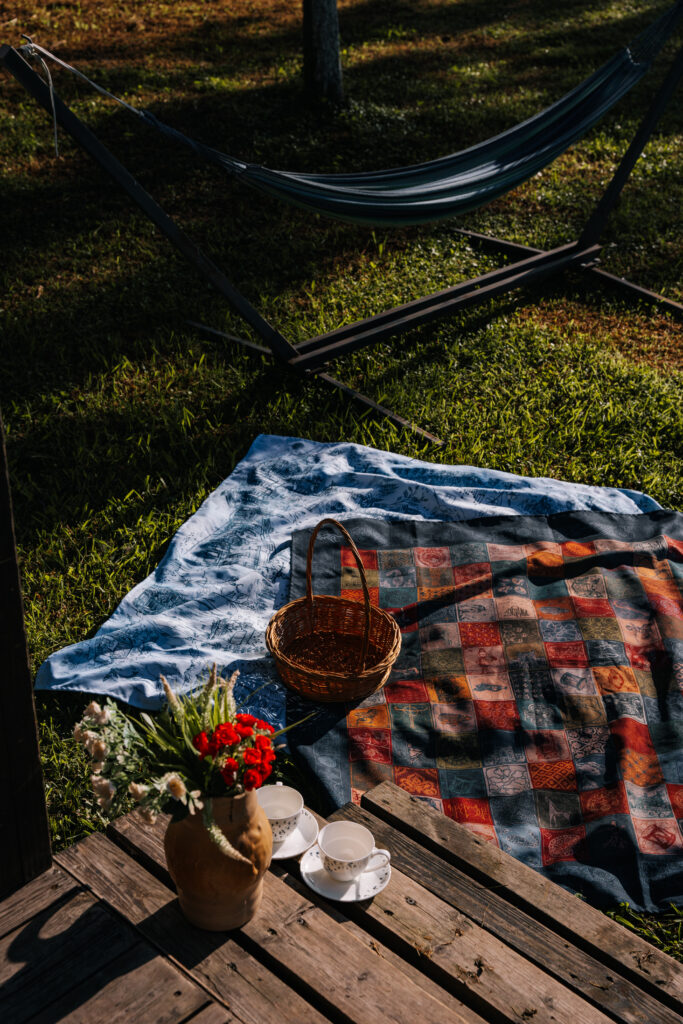
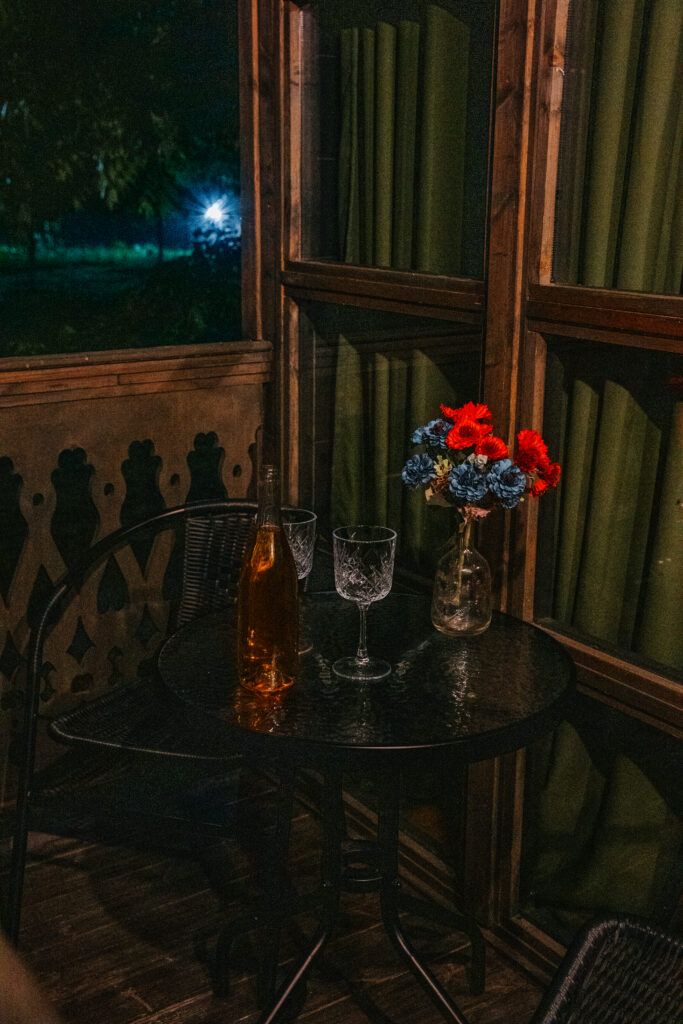
And I think this balance is what makes the place so special. You don’t come to L’akva for luxury in the sense of extravagance, but for comfort, peace and beautiful surroundings. You can open the doors in the morning, step onto the wooden balcony with your coffee, take a swim in the pool, and then simply sit back and look at the mountains. The place was designed so that nothing feels forced – and so that simply staying here becomes part of your journey through Georgia.
the Hosts
Meka and her husband live here and are incredibly welcoming, going above and beyond to make their guests feel at home. They created this place completely on their own several years ago and are always happy to share tips and recommendations for discovering Georgia.
We were travelling around Georgia by car, and one of my plans was to go wine tasting at a local winery. One day, I realised that we had become so comfortable in these cosy little houses that we only had two full days left before our flight home from Kutaisi. And, as you can probably guess, a wine tasting also meant needing somewhere to stay at the winery, since there was no way we could drive afterwards (there are no taxis in the countryside). So when I told our host that I was dreaming of a wine tasting and asked if she knew anyone nearby who organised small wine tastings, she told me not to worry – I didn’t have to go anywhere, the wine was right here. She then brought her husband along with a huge jug of their own homemade wine, which was absolutely delicious, fresh and light.
I don’t know which circle of hospitality this is, but I’m pretty sure there’s nothing beyond it.
What to see in Kakheti region?
Lagodekhi
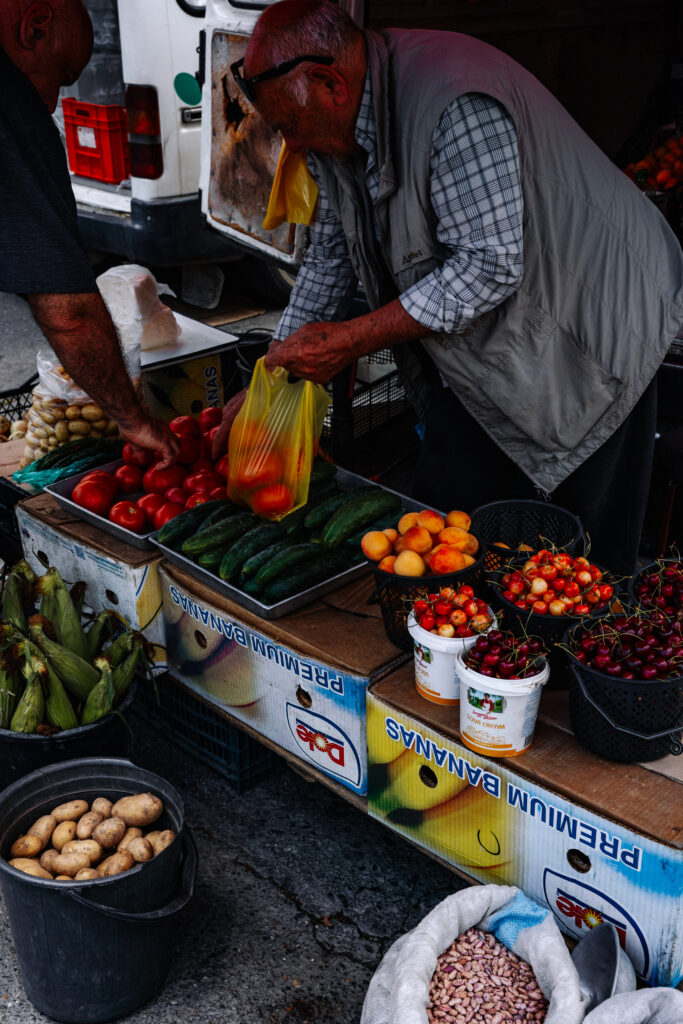
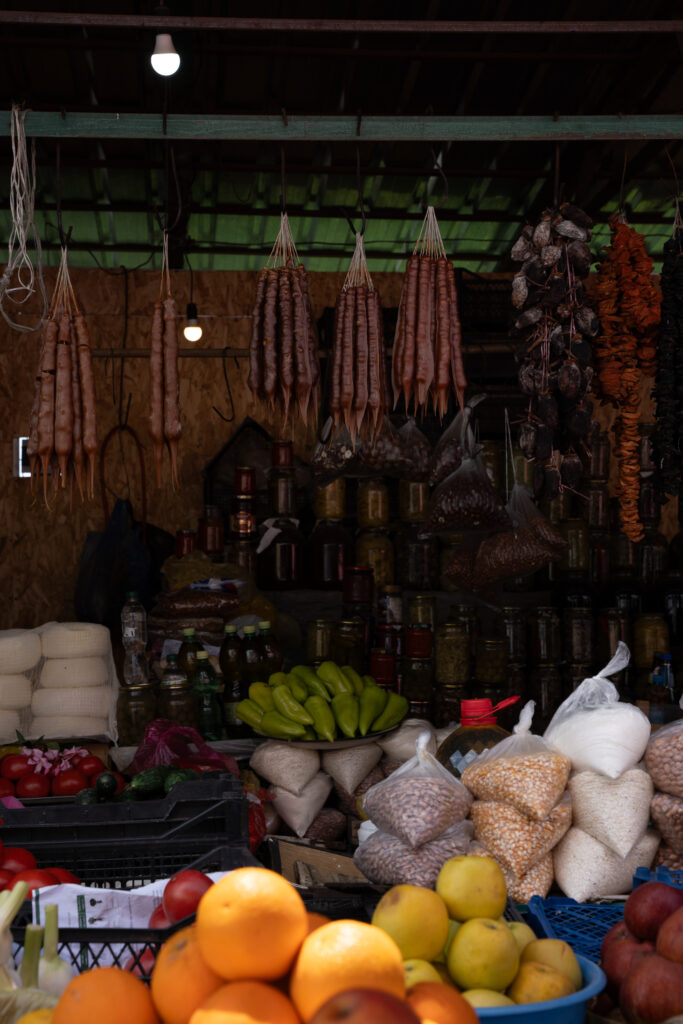
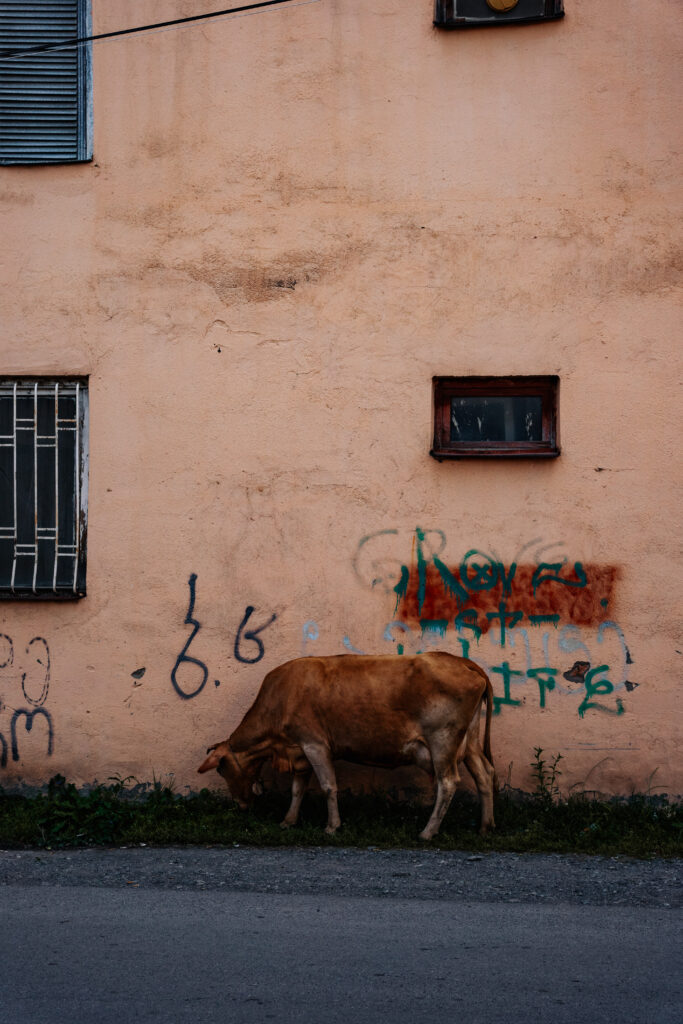
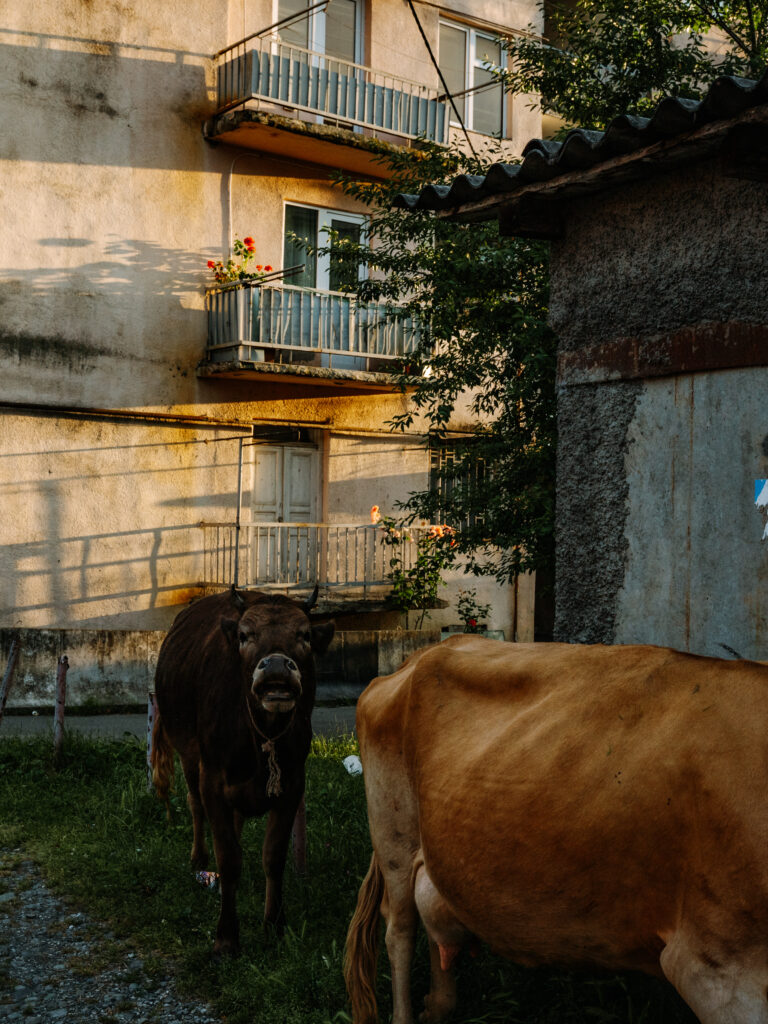
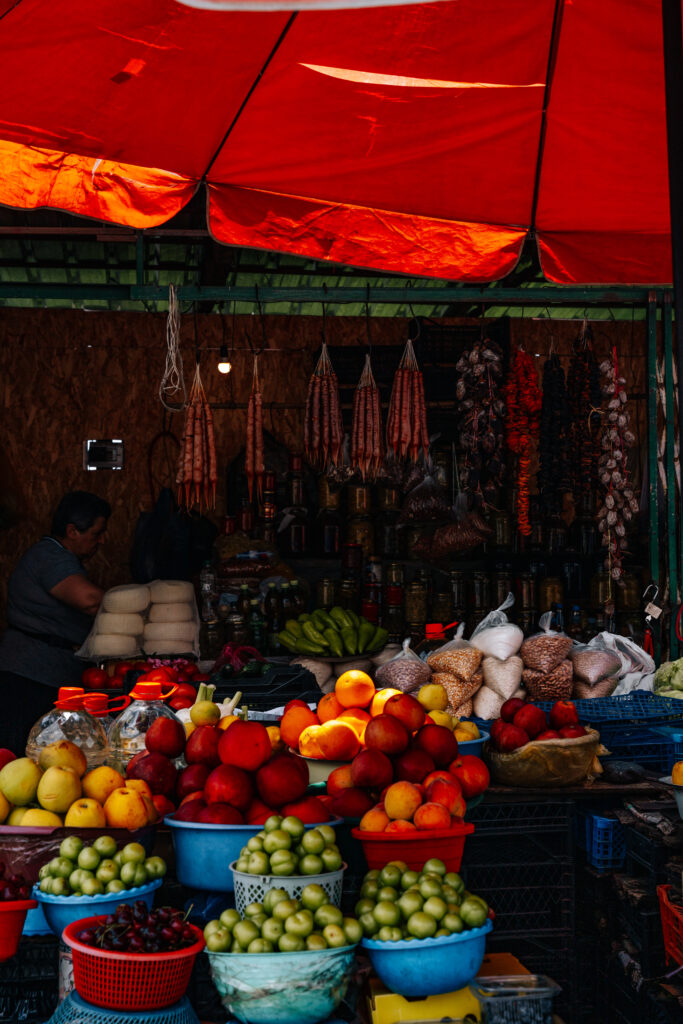
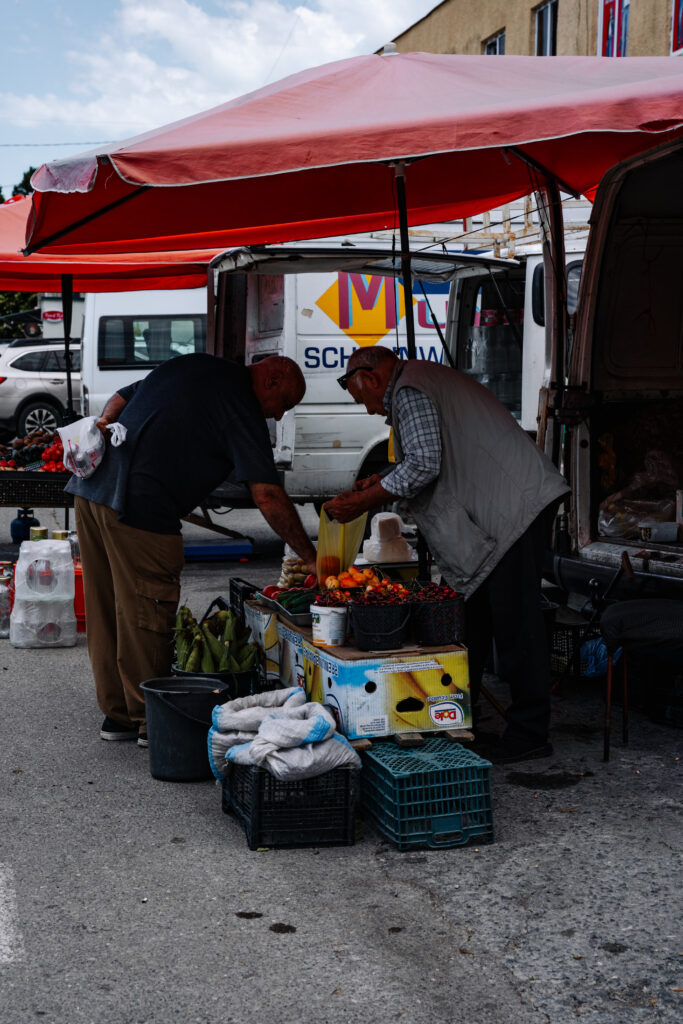
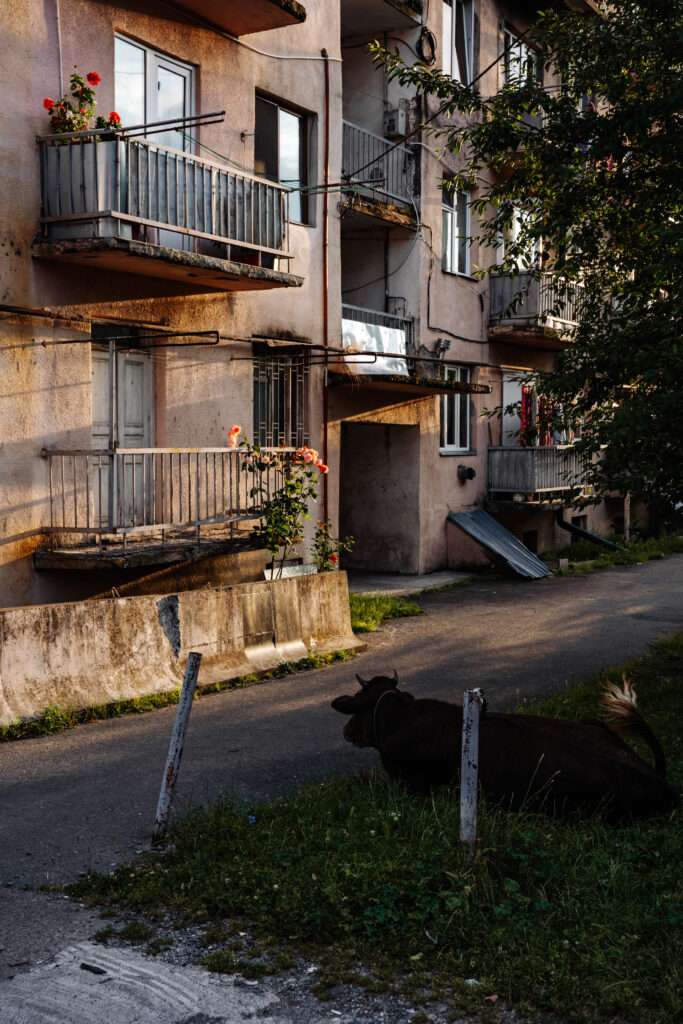
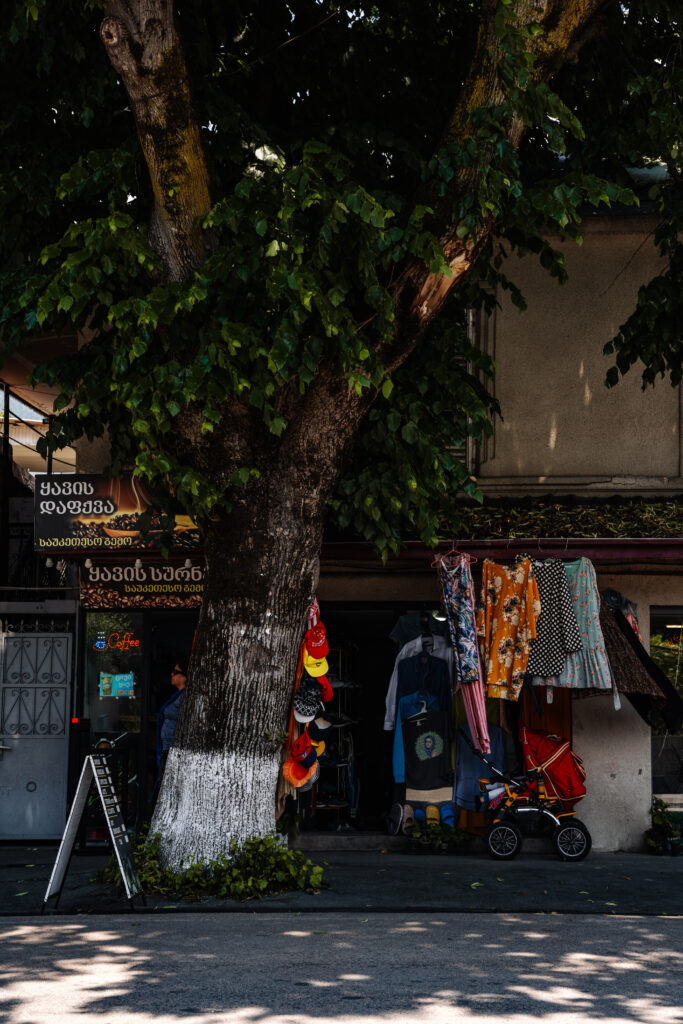
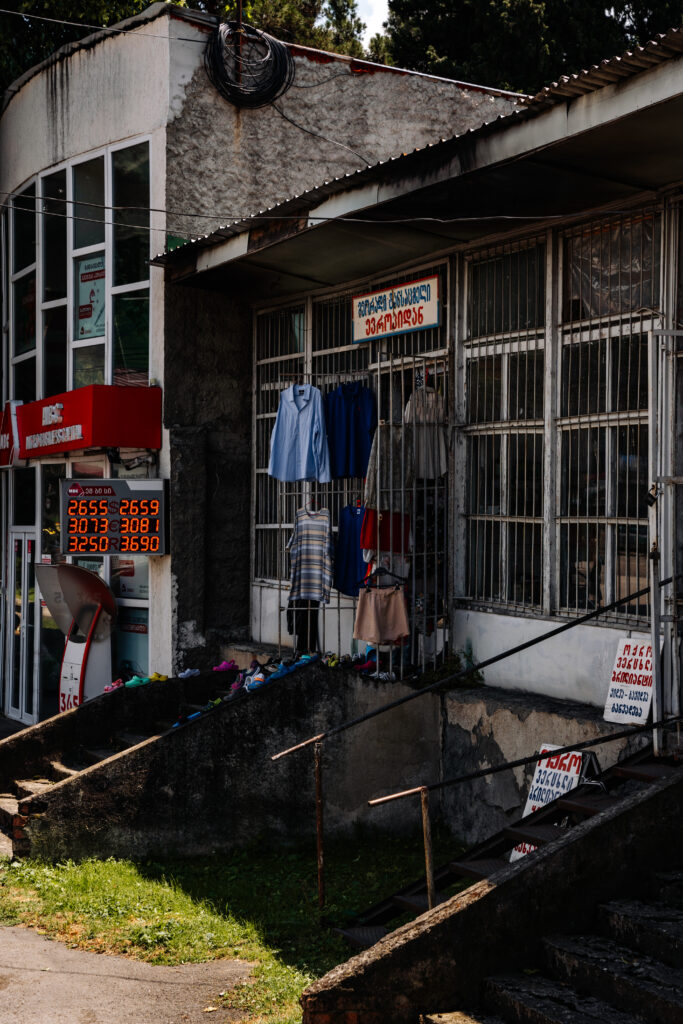
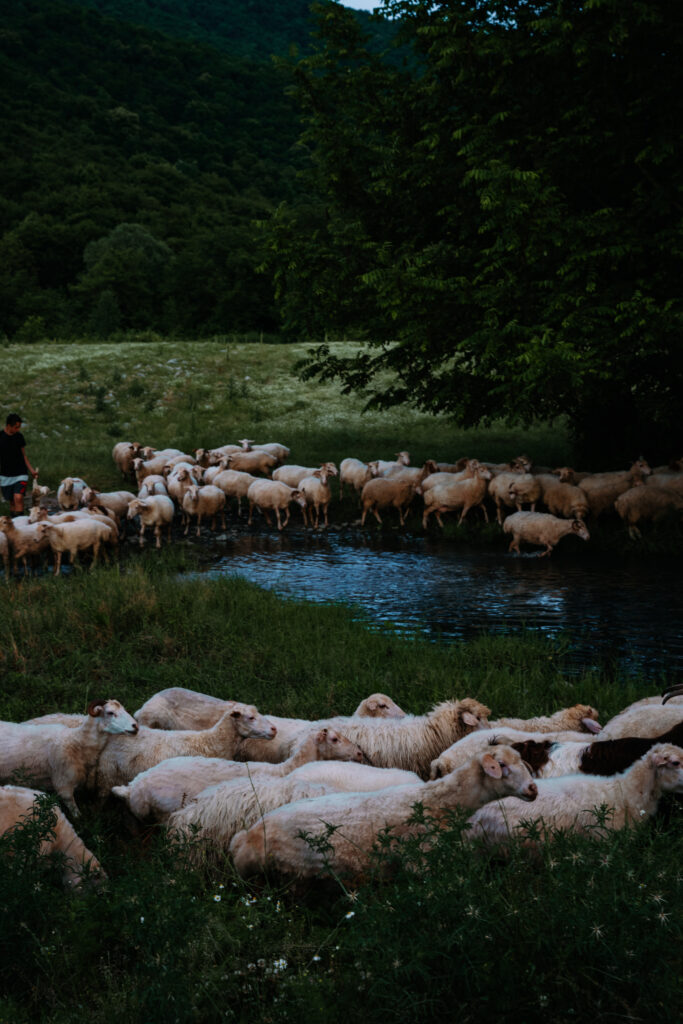
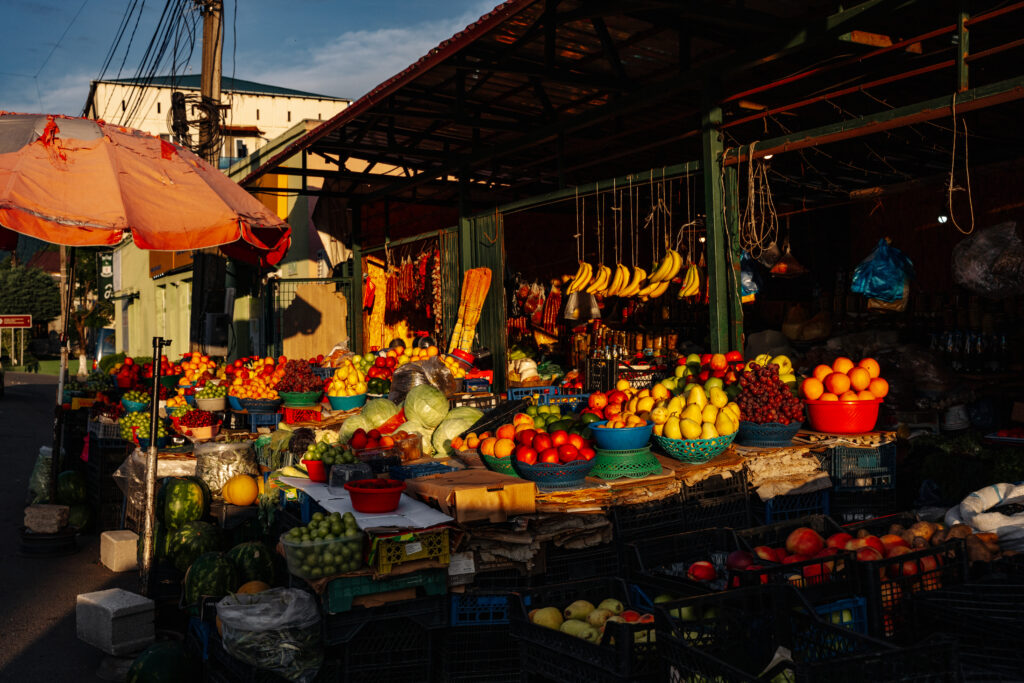
You don’t come here for the monuments, but for a very local Georgia that lives and breathes at its own pace. There weren’t many tourists when we visited. Instead of tourist attractions, you can observe the everyday life of the locals – cows wandering beneath apartment blocks, small home gardens, family-run shops and a local market.
Lagodekhi lies right next to the border with Azerbaijan – it’s only a few kilometres away. It is one of the easternmost towns in Georgia and the centre of the region, but unlike Sighnaghi, there are hardly any tourists here. Most visitors tend to head north and west, so if you want to see a more everyday, local, authentic and completely unpolished side of Georgia, come here.
It’s a beautiful and slightly strange little town. Cows wander beneath apartment blocks, so it feels a little like the countryside, yet the sight of the buildings reminds you that you’re still in a town. People do their shopping at the market, someone comes home from work, teenagers hang out beneath the apartment blocks, and life carries on at its own pace. At the market in Lagodekhi, we bought tomatoes, cucumbers and fruit that tasted like childhood in the countryside – I honestly hadn’t eaten vegetables this intensely flavoured in years. I can’t remember the last time a tomato tasted this much like a tomato, with the warmth of the sun, the crunch and that familiar flavour that takes you straight back to 1997. The climate here is warmer and more humid than in many other parts of Georgia, which is why the local fruit and vegetables are known for their exceptional flavour. It’s worth coming here for a little taste of the less-touristy side of Georgia.
Signaghi
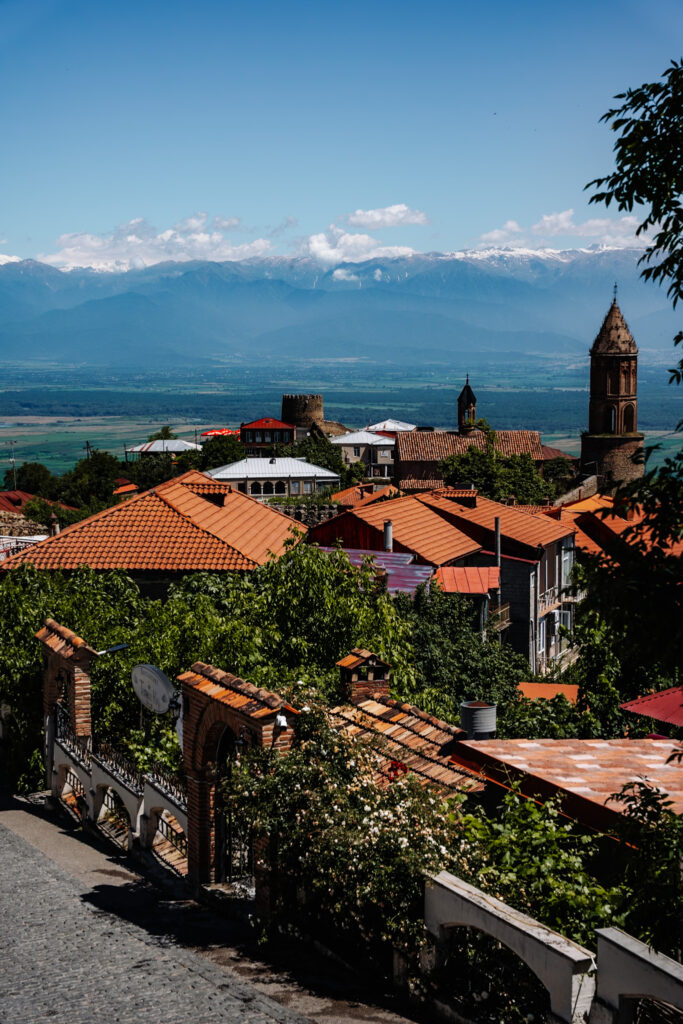
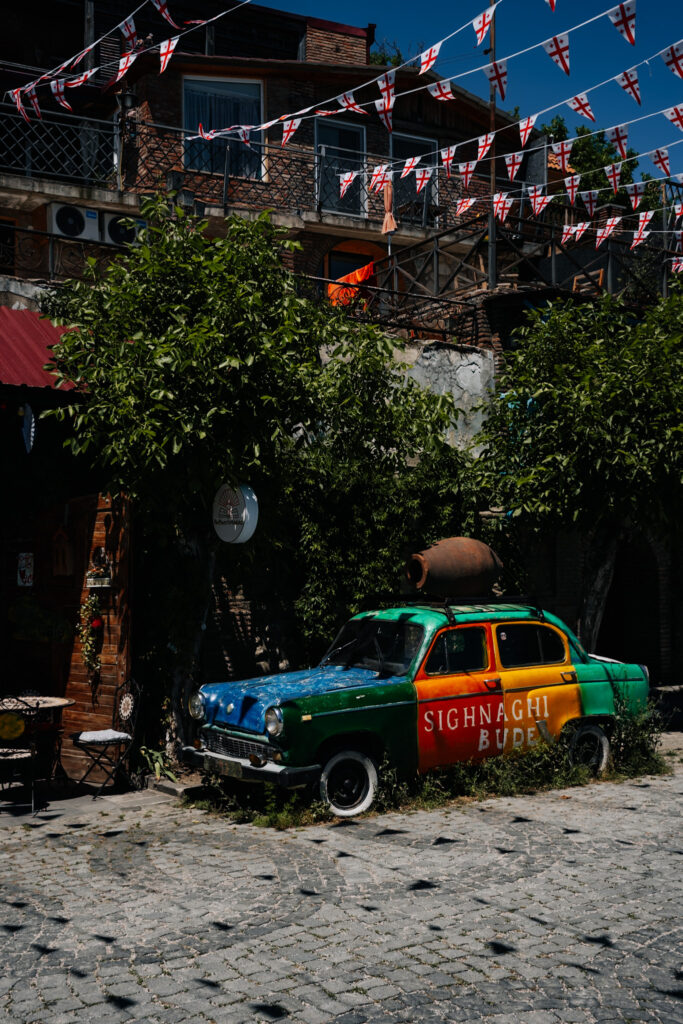
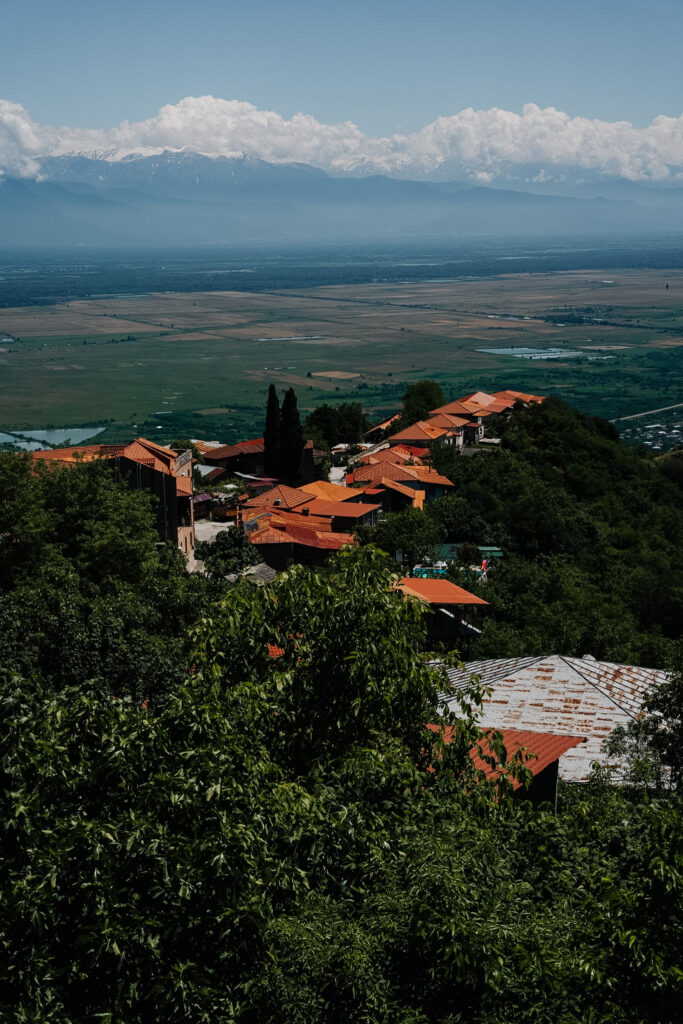
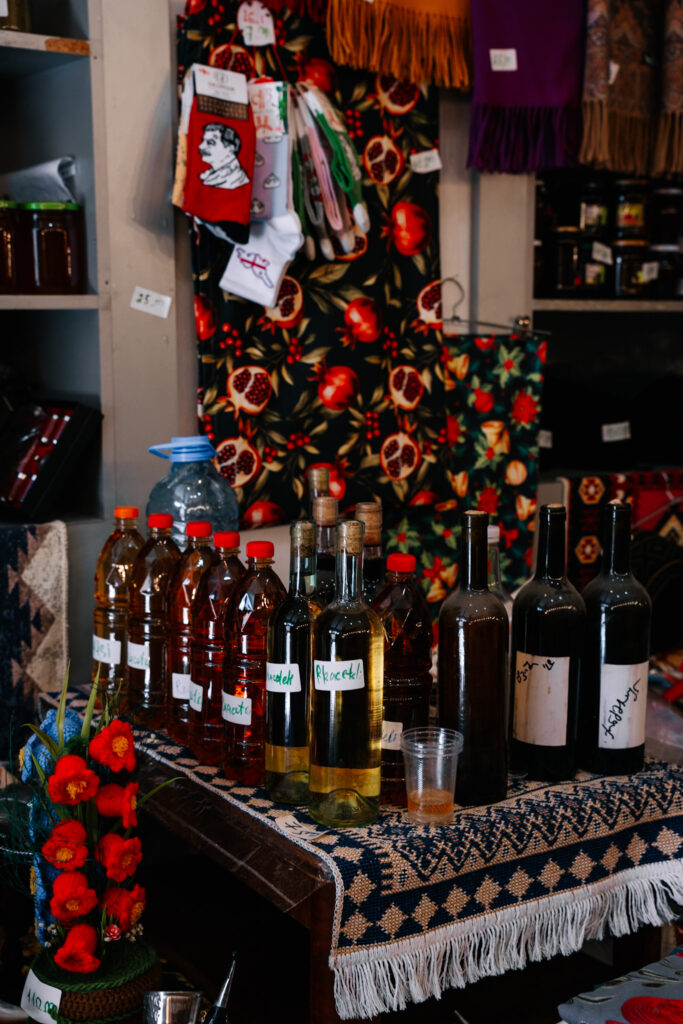
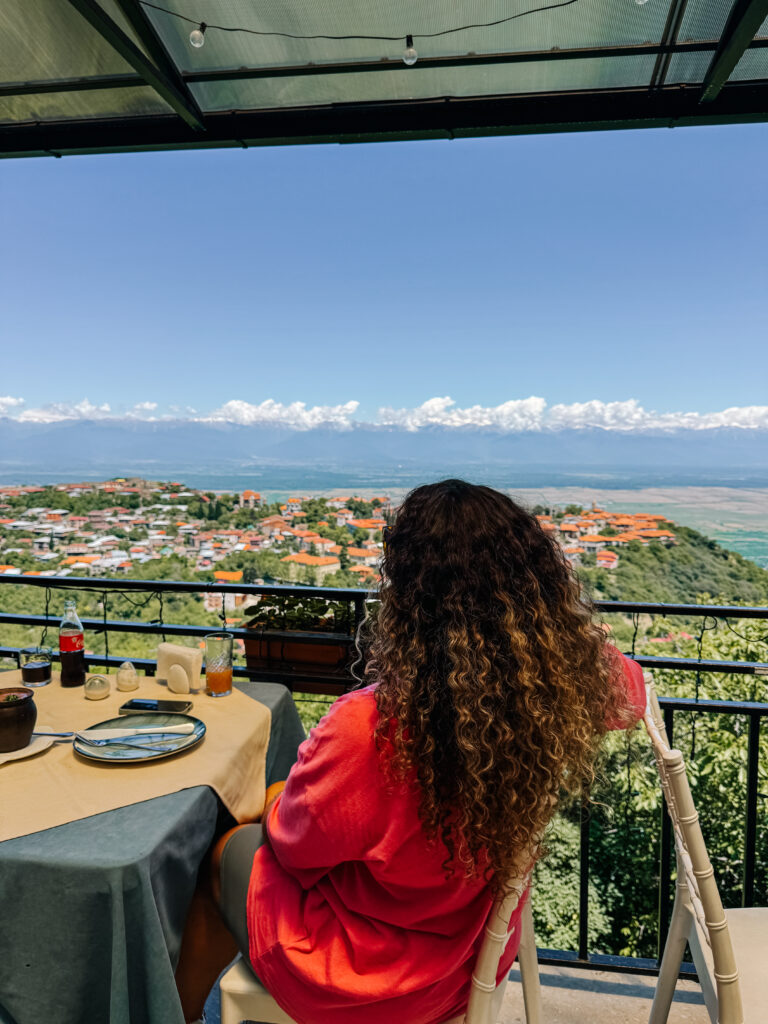
The lovely little town of Sighnaghi was the only truly touristy place in eastern Georgia that I visited. There were organised tours, groups of tourists and souvenir shops, but in this case it’s really hard to be surprised. Sighnaghi sits on a hill, and the views stretching out over the surrounding area are genuinely spectacular.
The town is known as the City of Love, and this is by no means a random nickname. For many years, a civil registry office operated here and was open practically around the clock, meaning couples could come and get married almost spontaneously.
The biggest attraction, however, is the defensive wall surrounding the town. It stretches for around 4 kilometres and has as many as 23 towers. You can walk along a section of the wall and enjoy views over the Alazani Valley below. And when the weather is clear, you can even see the snow-capped peaks of the Greater Caucasus in the distance.
And I think this view is the best explanation for why Sighnaghi attracts so many tourists. The contrast with peaceful Lagodekhi was enormous – suddenly there were organised tours, souvenir shops and definitely more people. Despite its distinctly touristy character, Sighnaghi is absolutely worth seeing, and you should definitely stop for a coffee at one of the cafés overlooking the green valleys.
Nodari’s Garden
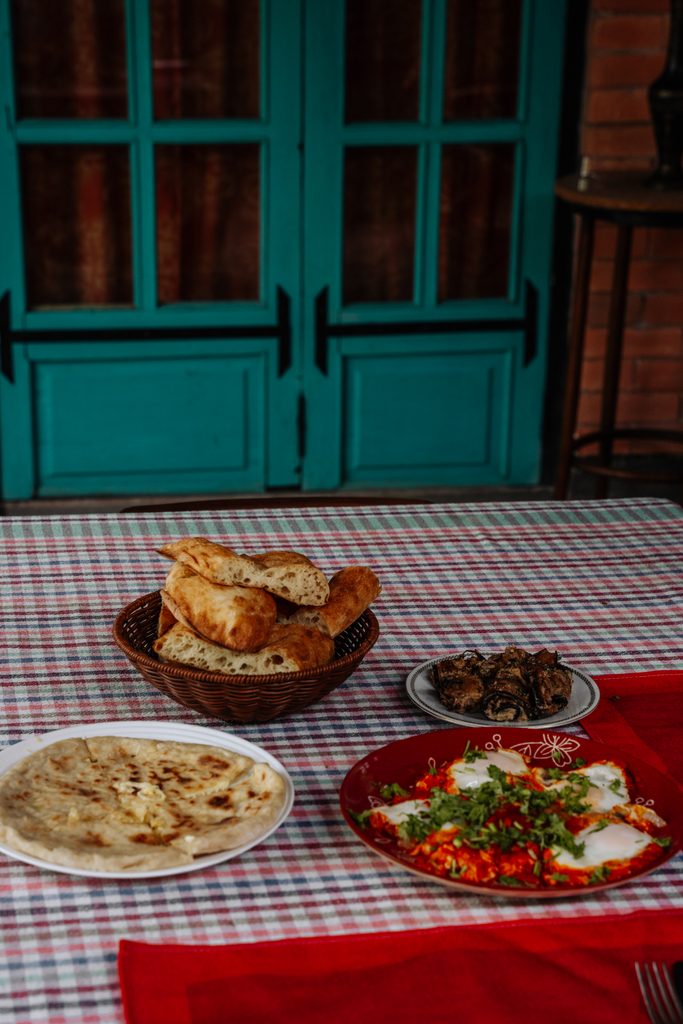
A lovely little garden at a small guesthouse run by an older lady (who doesn’t speak English). We came in out of curiosity and explained ourselves (in a few different languages: mostly Georgian-Russian, with a delicate Polish accent and a few Russian words thrown in for good measure) that we were hungry and wondered if we could have a late breakfast. The lady said yes and asked what we would like. For the next five minutes, she disappeared into the kitchen while we prayed she wouldn’t come back with some bizarre culinary experiment. A few minutes later, the smell of fresh bread, tomatoes and eggs started drifting through the kitchen window, and we already knew it was going to be good. Below are photos of what she brought us: eggs baked with tomatoes and peppers, khachapuri and badrijani – walnut-filled eggplant rolls.
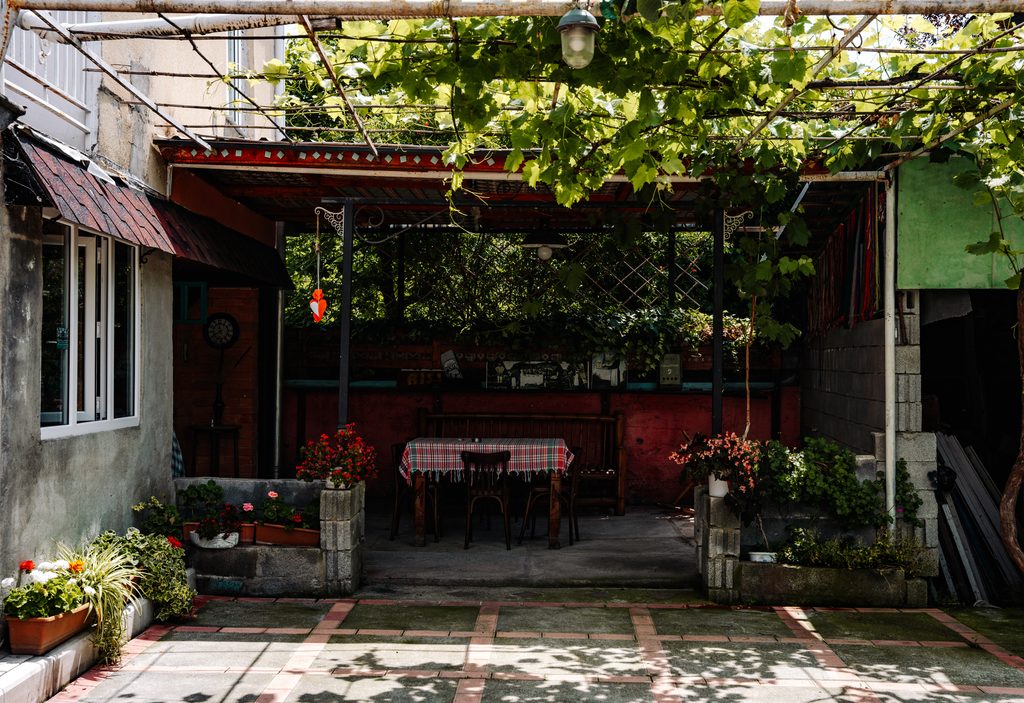
A pet shop in Lagodekhi i and a place to feed the dogs (Google Maps coordinates here)
A good idea is to buy a few bags of dog food at the pet shop on the main street in Lagodekhi, along with a large bottle of water from a grocery store, and leave them for the dogs. The dogs are used to people, and most of them have ear tags, which means they have already been caught, vaccinated and neutered by the local authorities. They aren’t afraid of people – quite the opposite, they are drawn to tourists. Local residents also feed the dogs and look after them. I didn’t see any dogs that were underfed, severely neglected or aggressive. Still, my heart broke a little seeing how much they crave human contact. I highly recommend it: you can do a good deed while travelling!
Practical Tips: What to Know Before Your Trip
Rent a car and make sure you have good travel and car insurance.
Bring some cash – cards aren’t accepted everywhere.
Bring a Revolut card or another multi-currency card.
Get an eSIM – I used Airalo and highly recommend it.
Download offline maps – mobile coverage can be patchy in the mountains (+ consider downloading a translation app if you don’t speak any Russian or Georgian).
Book your wine tasting well in advance if you want to fit it neatly into your travel itinerary.
L’akva Village
Of all the places I stayed during my week in Georgia, this was the one I found hardest to leave.
A place that captivates you from the very first glance. L’akva Village is synonymous with Georgian hospitality and cosiness, which is beautifully reflected in its stylish, thoughtfully designed interiors. Three distinctive, beautifully finished Oda houses create a truly magical impression, surrounded by vineyards stretching across vast open plains. It’s one of those places that stays with you long after you leave – not only because of the stylish interiors or charming views, but above all thanks to the extraordinary hosts who have created this place with so much heart and soul. What makes L’akva Village truly special is Meka, her husband and children, the cats and dogs. This place was created with love and enormous respect for local history and traditions, for its guests – a true symbol of local Georgian culture and hospitality. And that’s why it’s one of those places you remember long after you leave.