Cincșor: A Saxon Village That Will Take You Back in Time
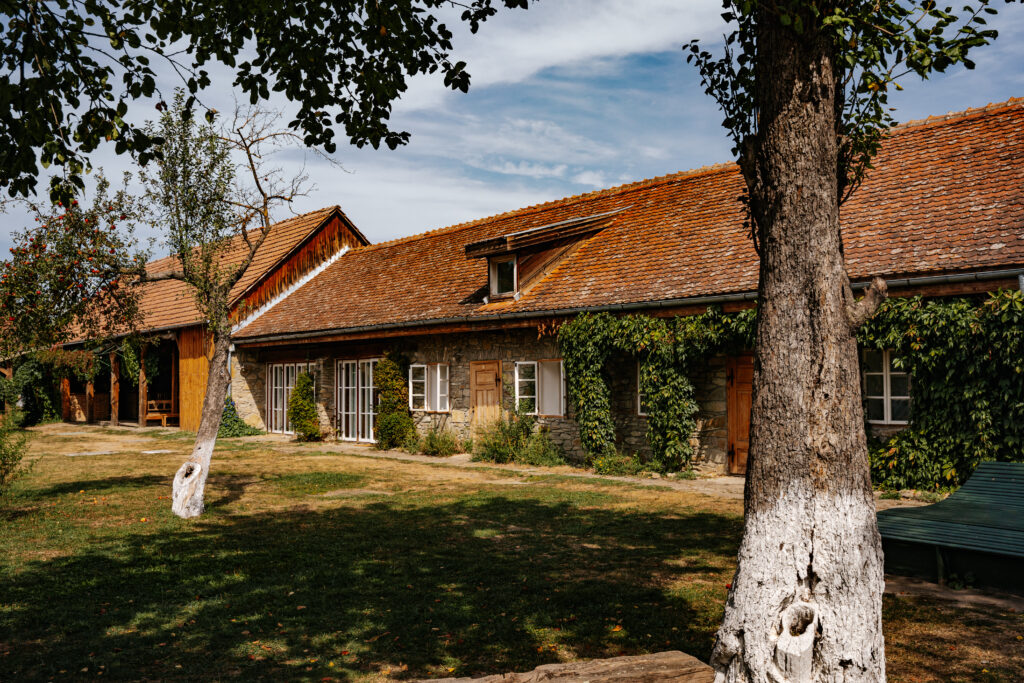
Cincșor is the very essence of slow living in Transylvania. One of the most extraordinary guesthouses I have ever stayed in owes its unique character to Carmen, who, after years spent living abroad, returned to her native village and to the old school she had attended as a child, determined to breathe new life into it. Today, these historic buildings, rather than falling into oblivion, have been given a new purpose as part of a remarkable project. Visitors can spend a few days here, discover the history of the region and experience what life is like in a small Saxon village.
But Cincșor.Transilvania.Case de oaspeți is much more than a charming place to stay. It is where history, architecture, local traditions and contemporary art come together, far removed from the hustle and bustle of Romania’s most popular tourist attractions.

What kind of place is it?
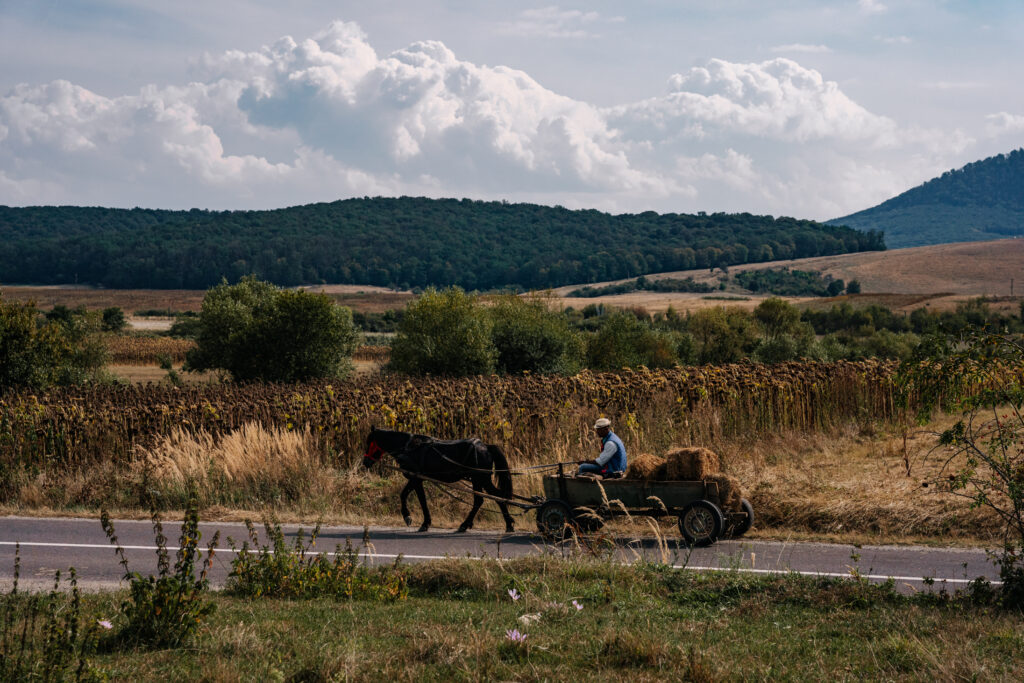
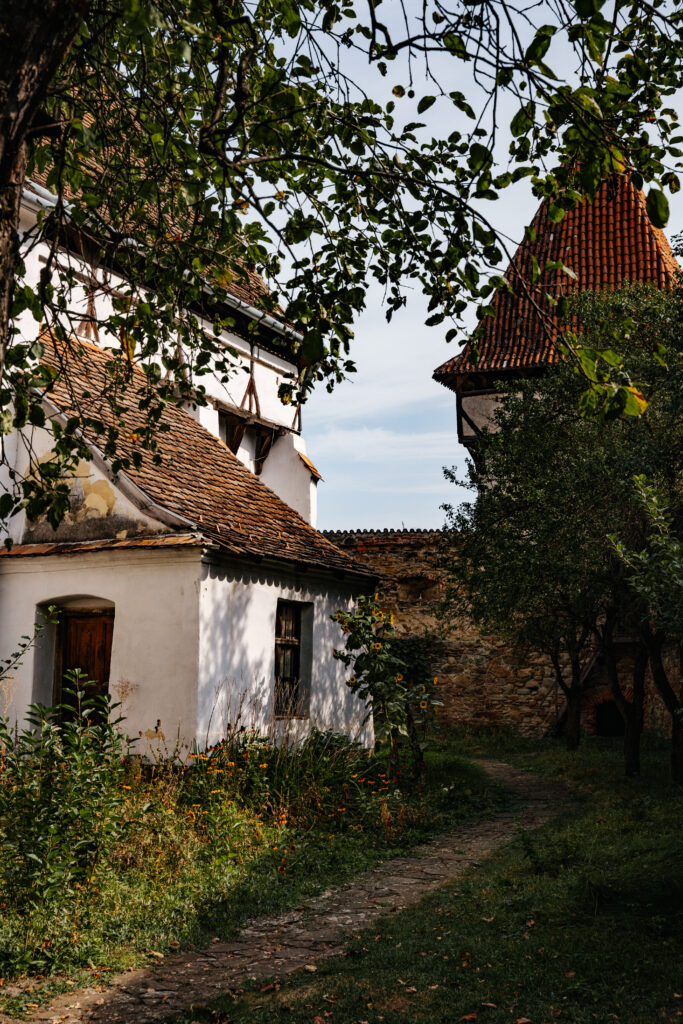
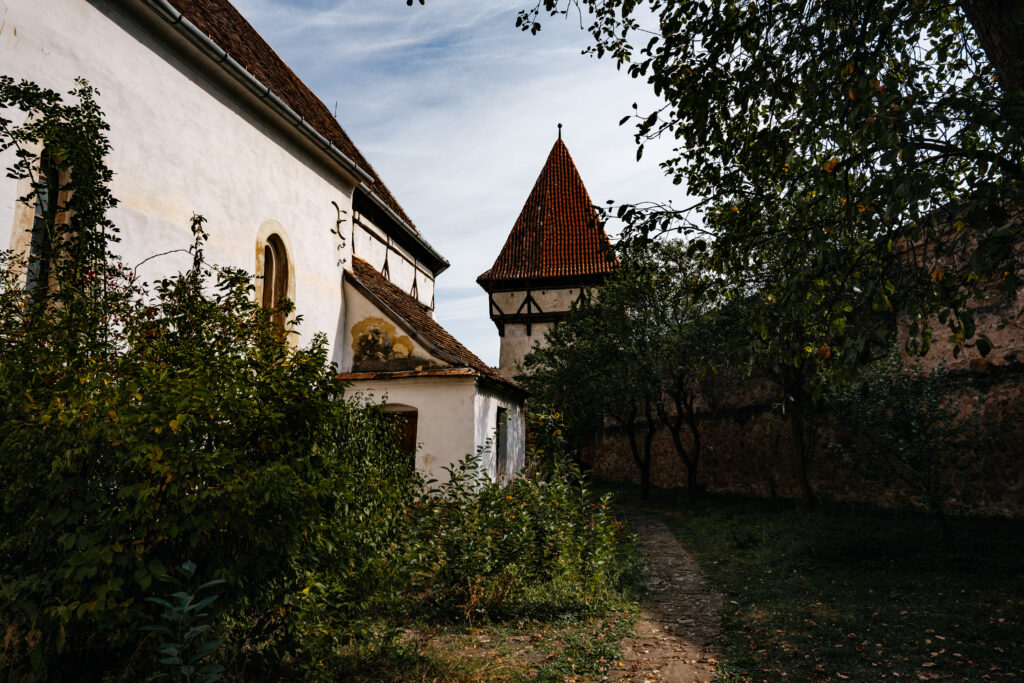
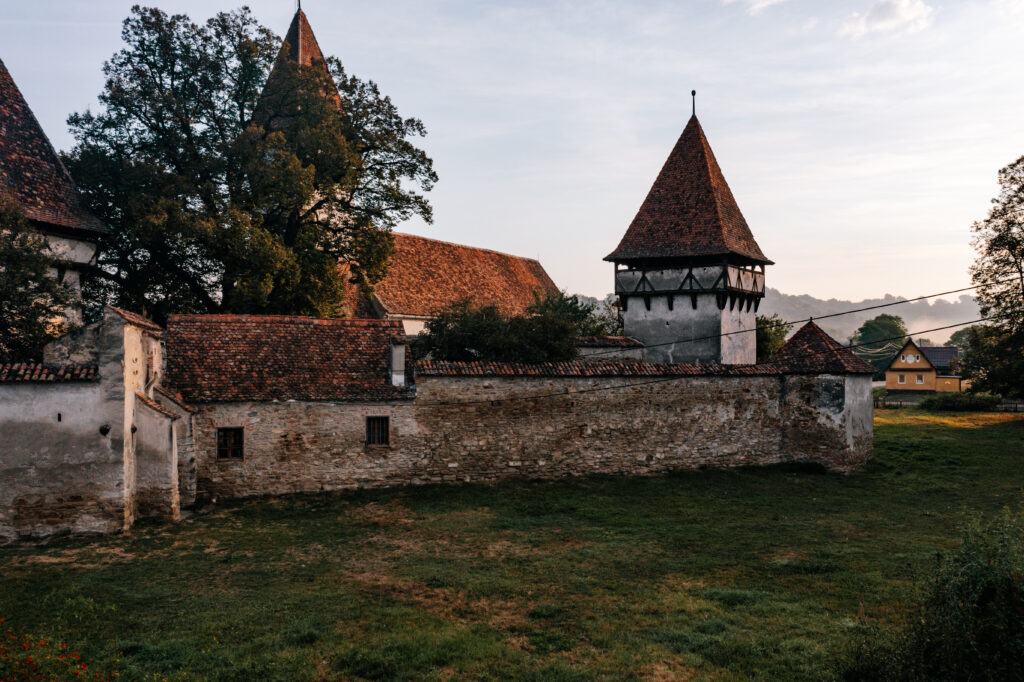
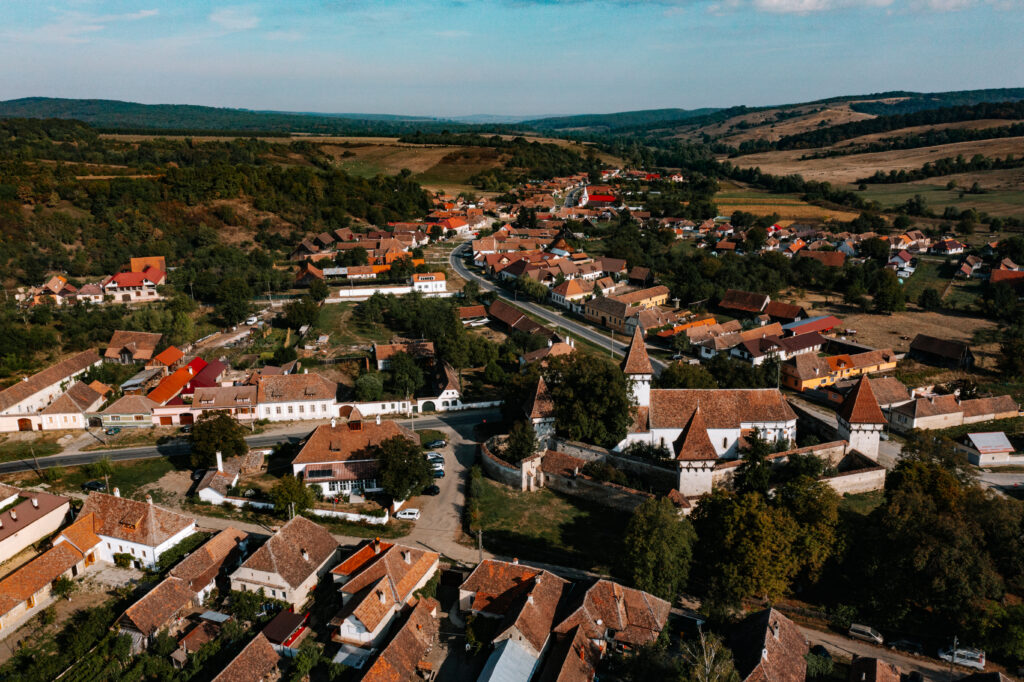
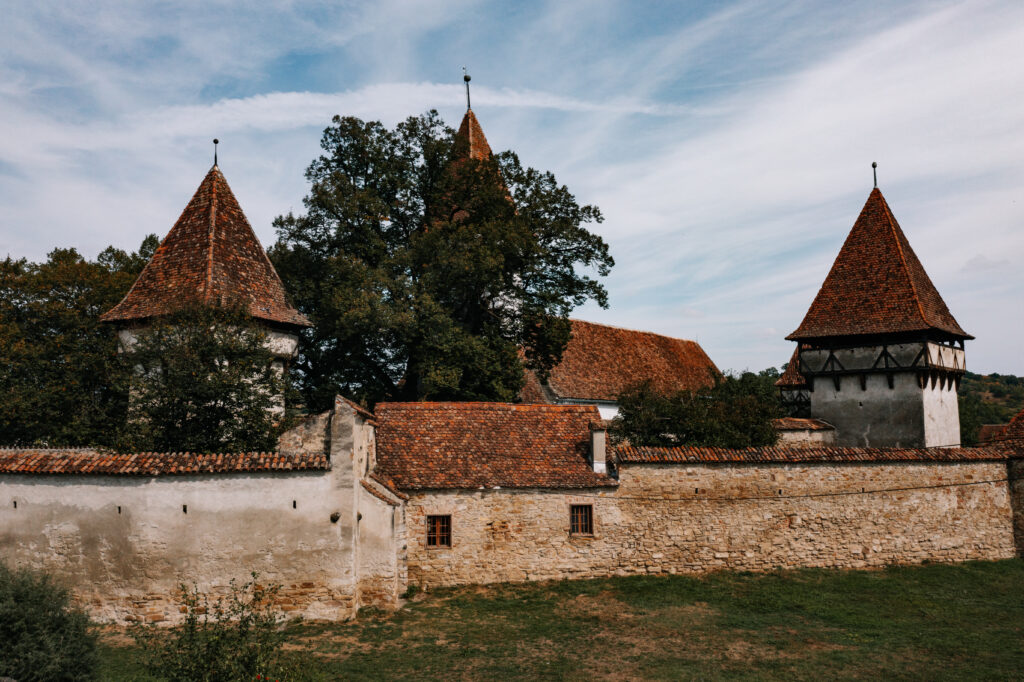
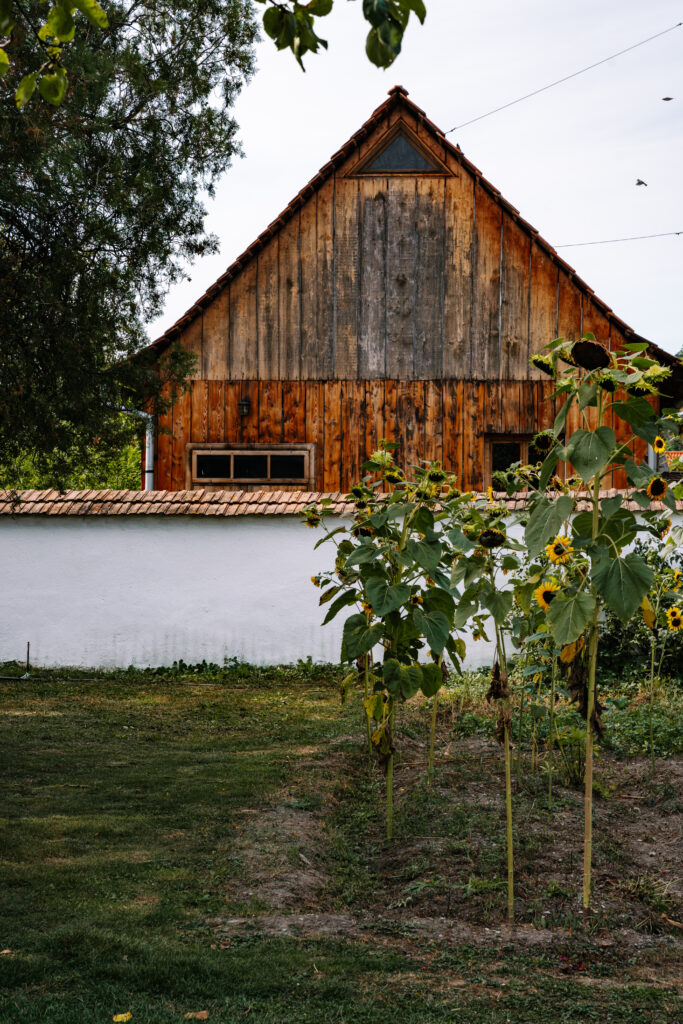
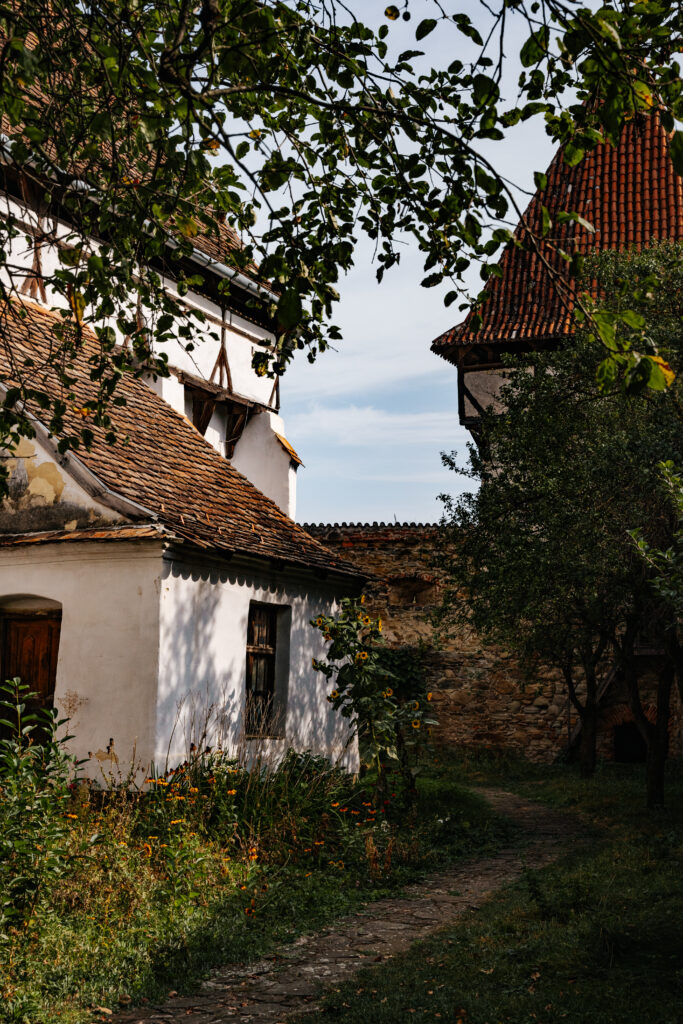
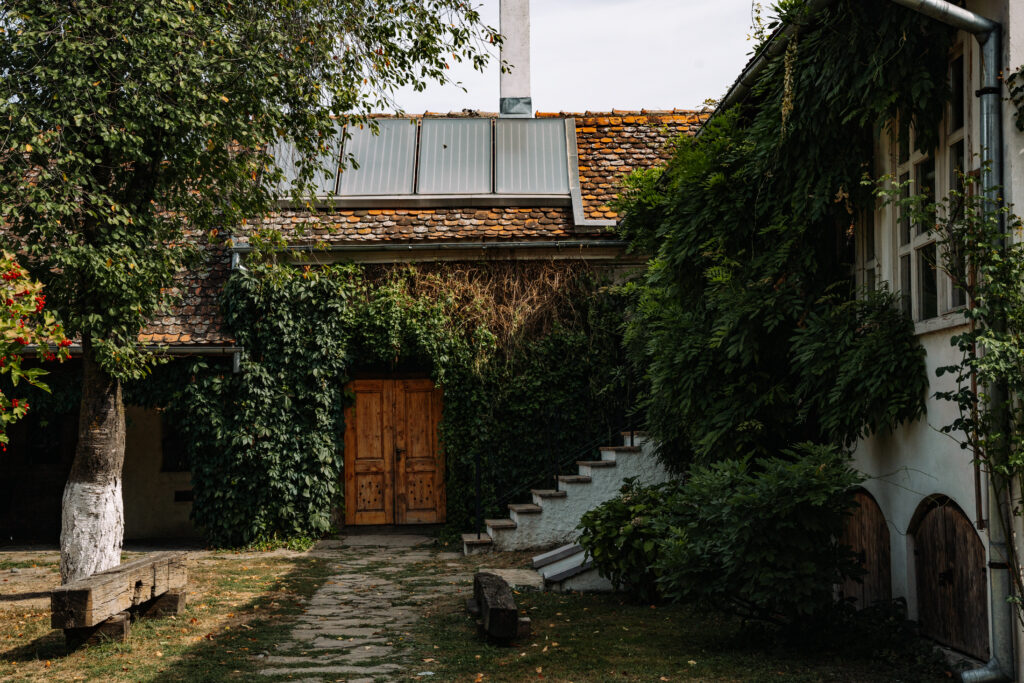
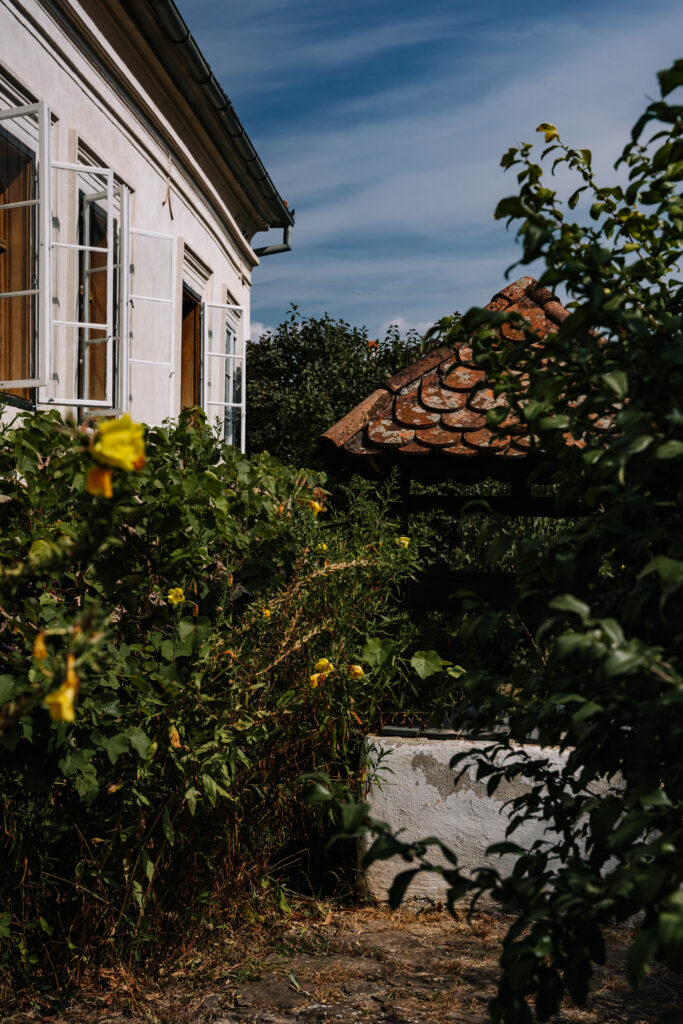
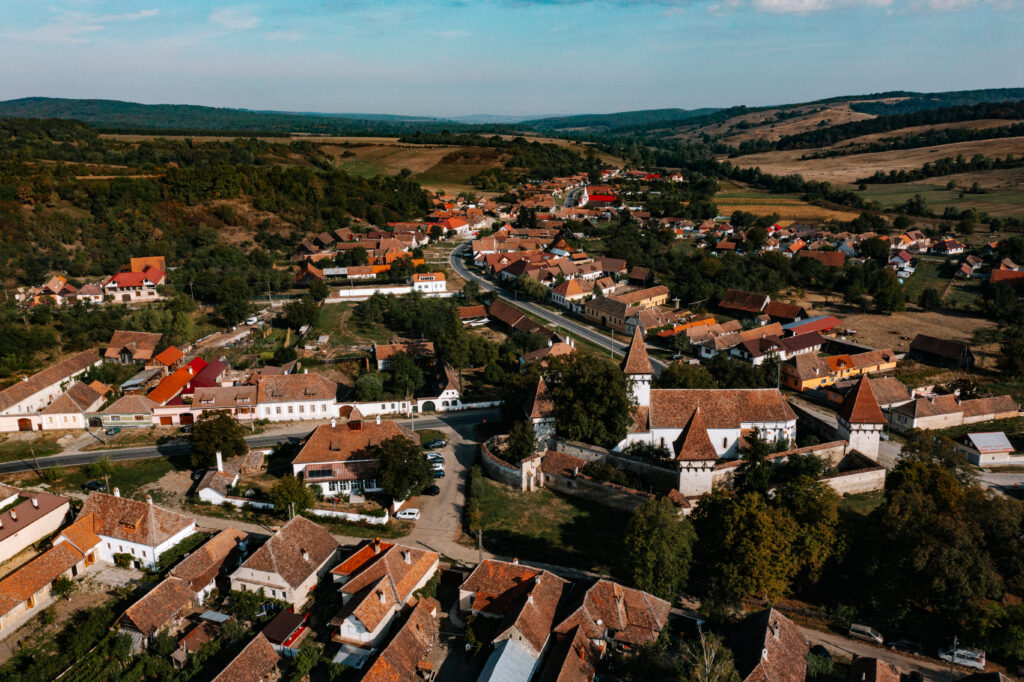
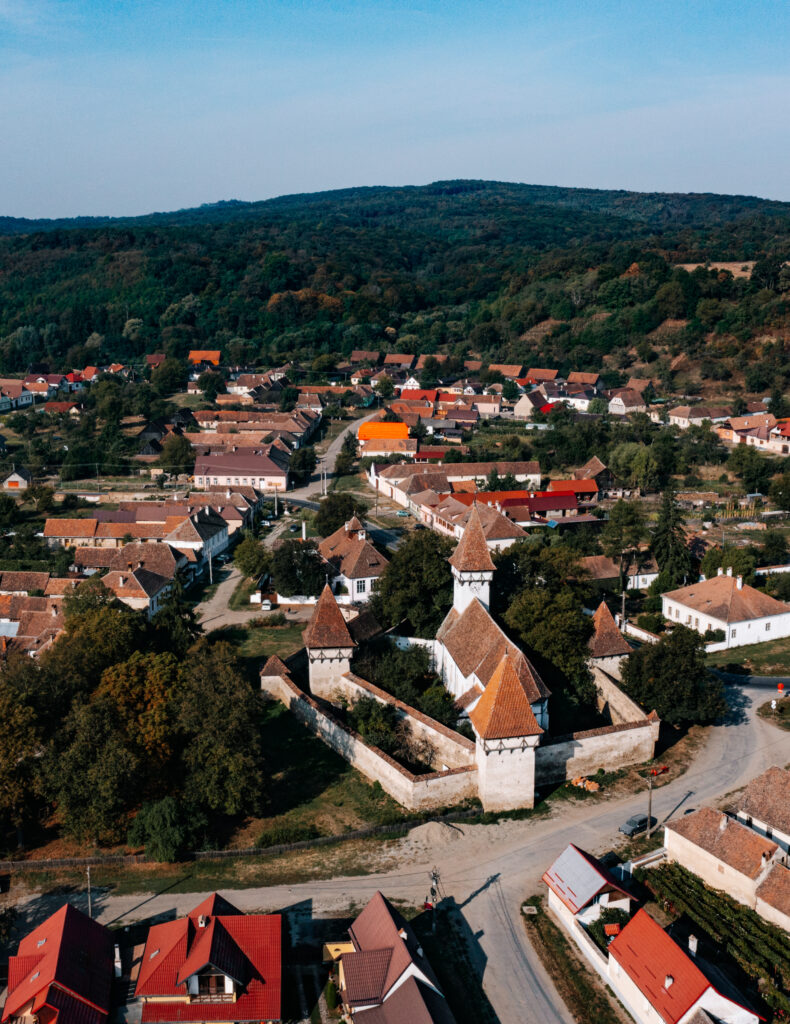
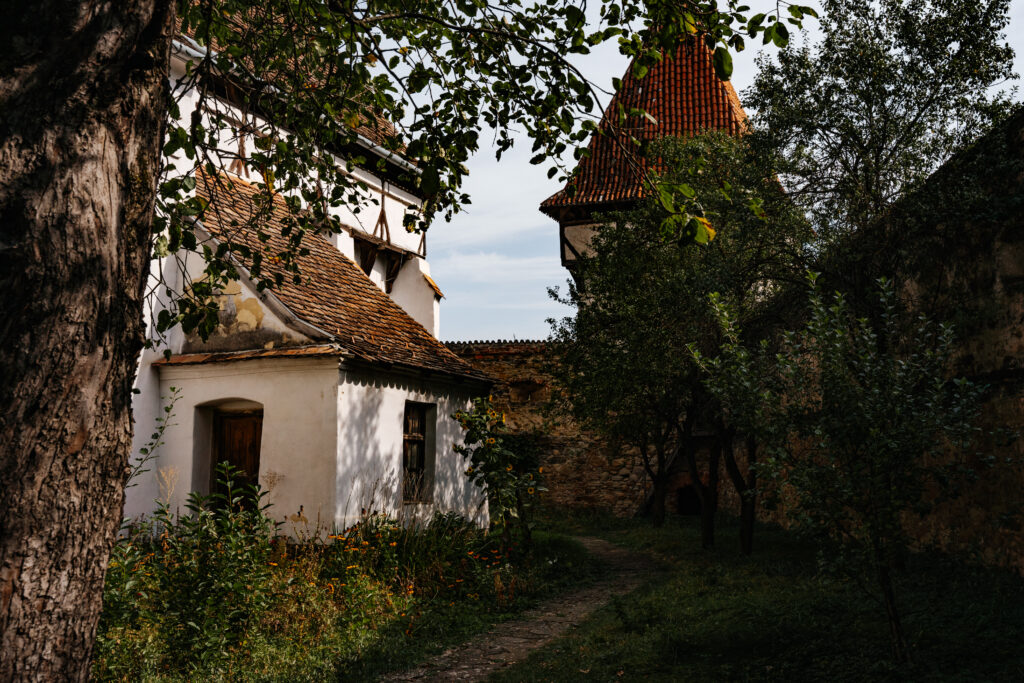
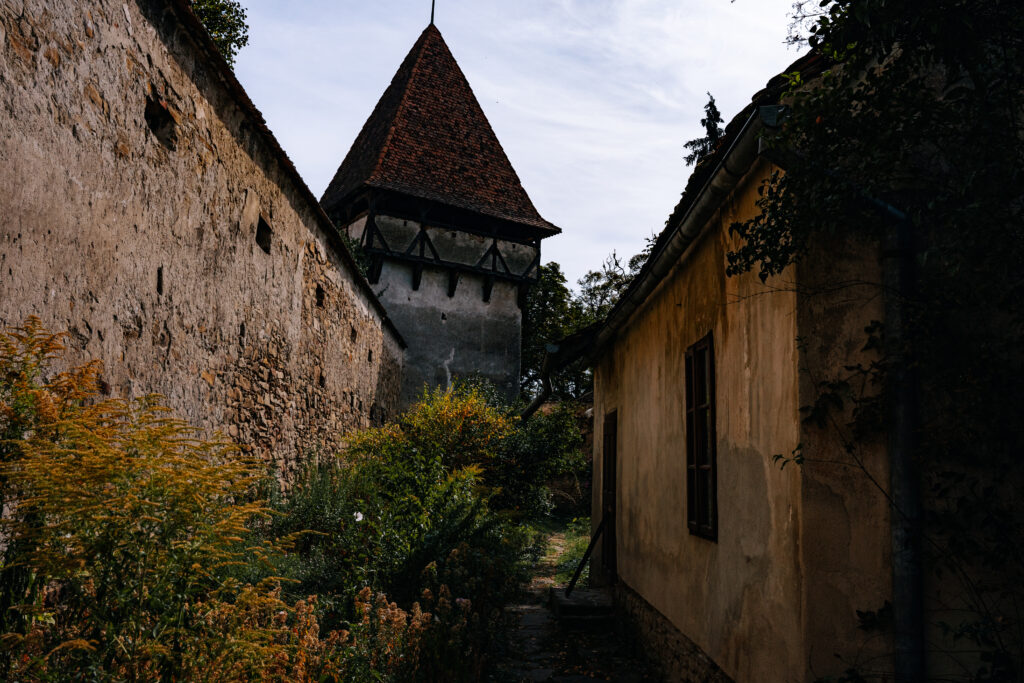
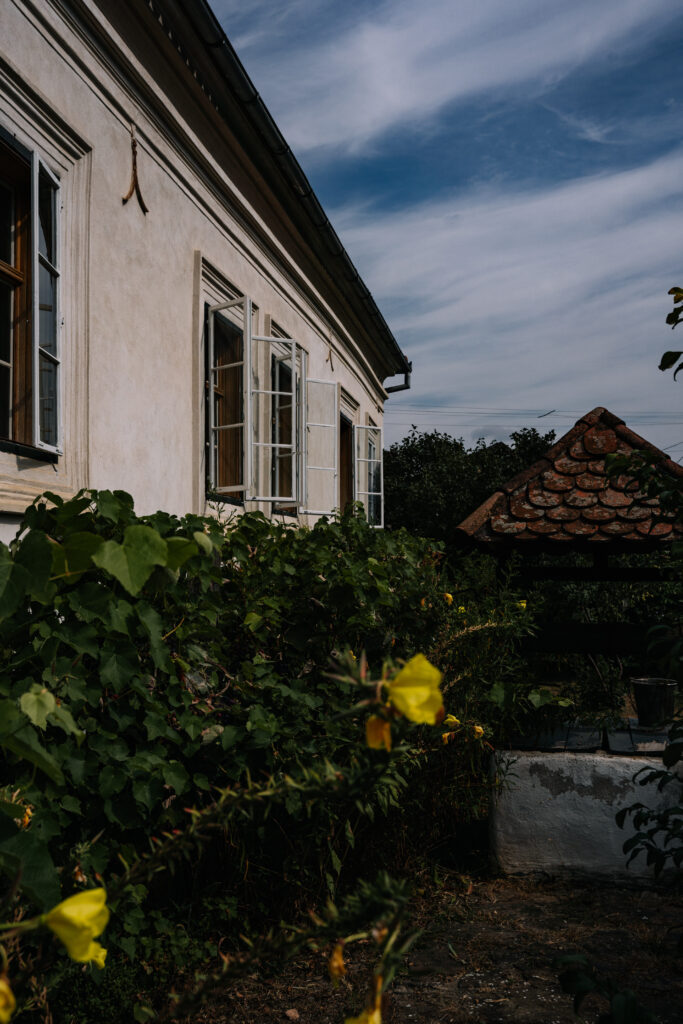
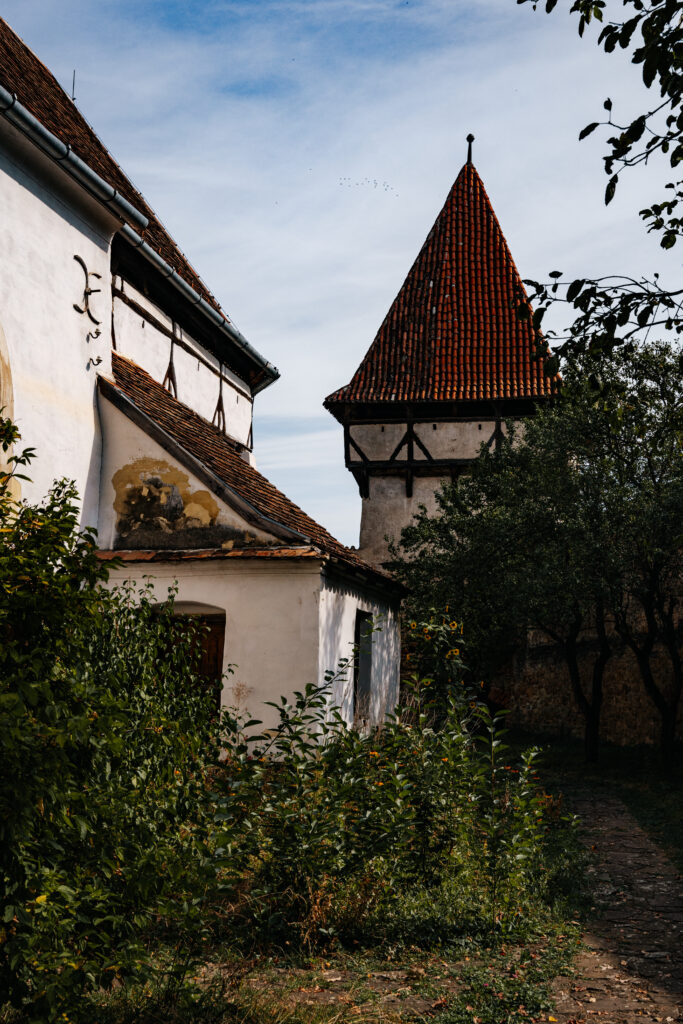
Cincșor is a small village in Brașov County, in the heart of Transylvania, whose history is deeply intertwined with that of the Transylvanian Saxons. Their presence over the centuries shaped the village’s architecture, layout and local traditions, all of which remain clearly visible in this part of Romania today. You won’t find large hotels, crowded streets or attractions designed for mass tourism here. Instead, there are old Saxon houses, courtyards both lovingly maintained and a little more weathered, the quiet of the countryside and a distinctive fortified church – a reminder of the times when villagers had to seek refuge from Ottoman raids.
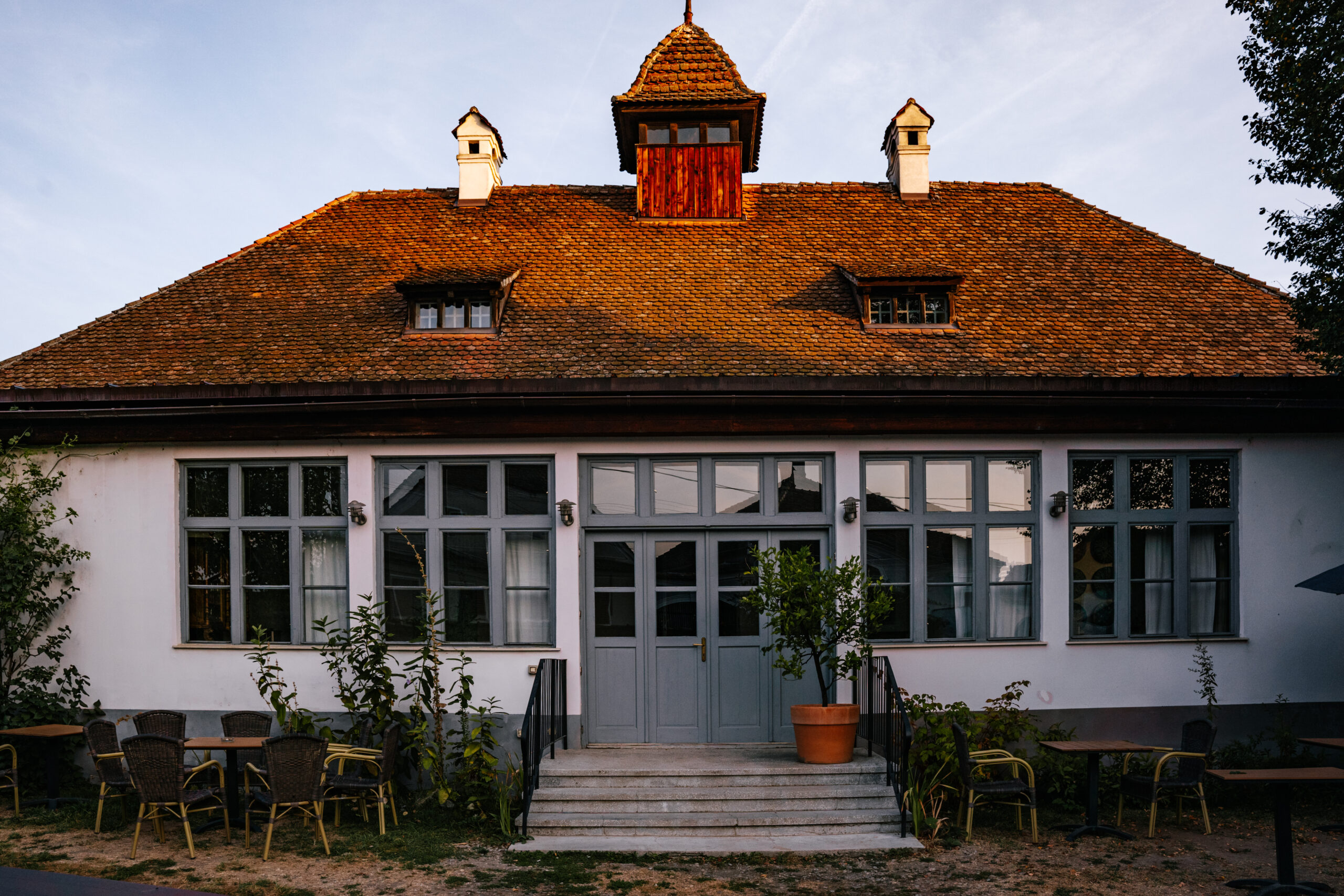
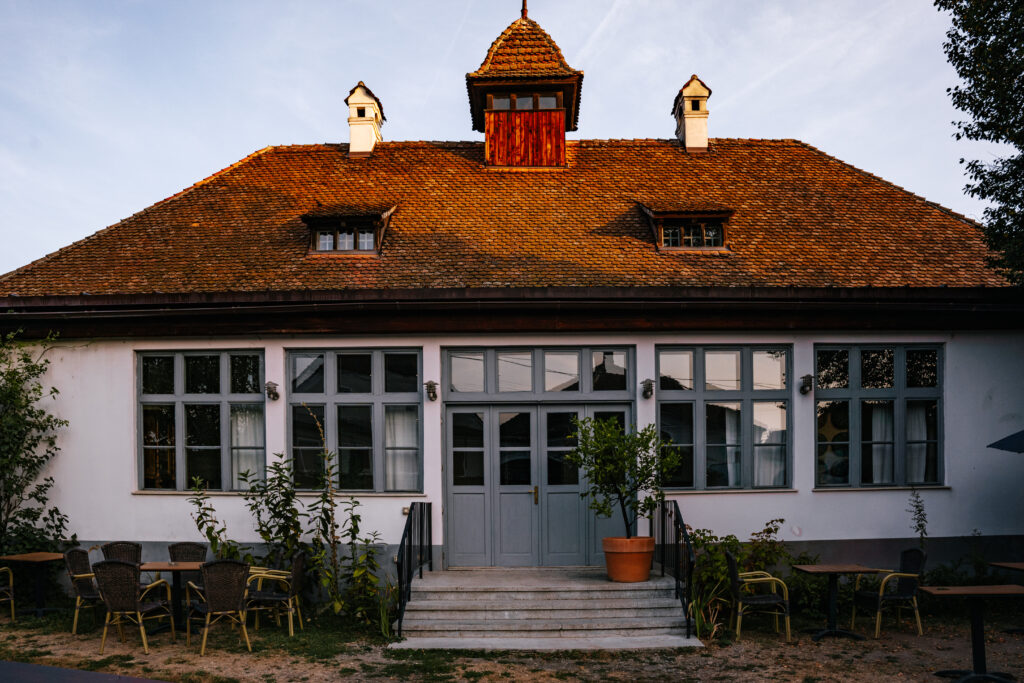
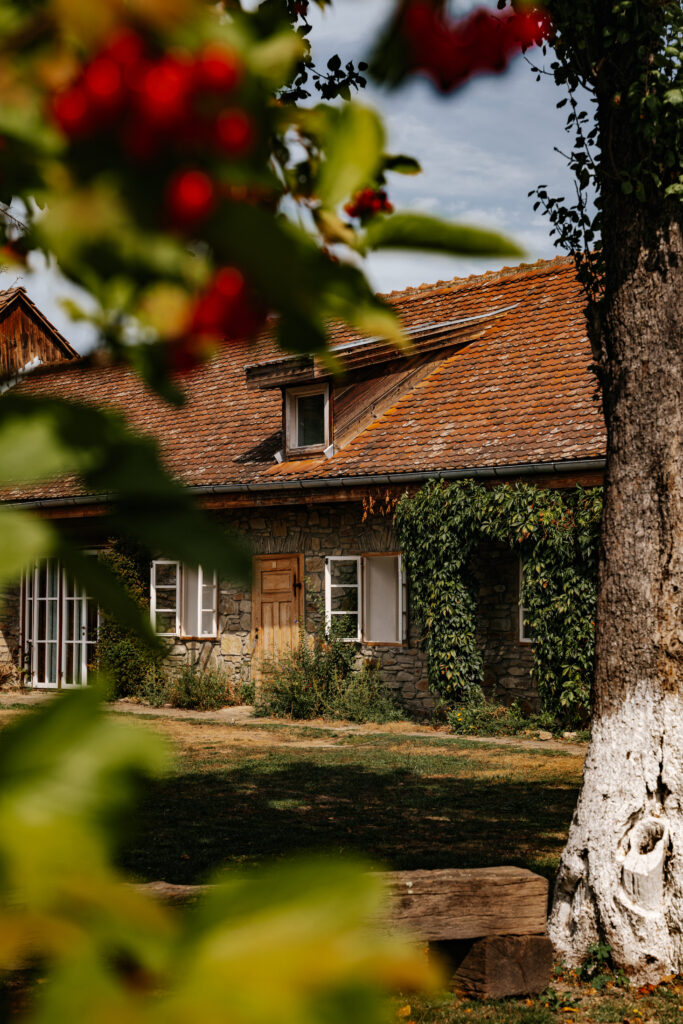
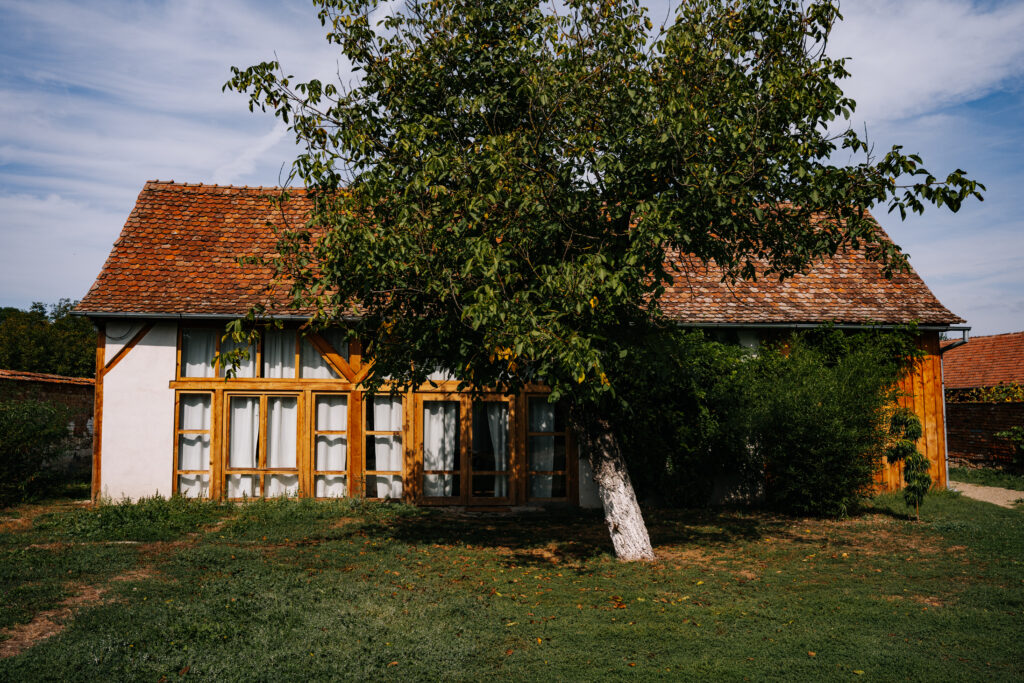
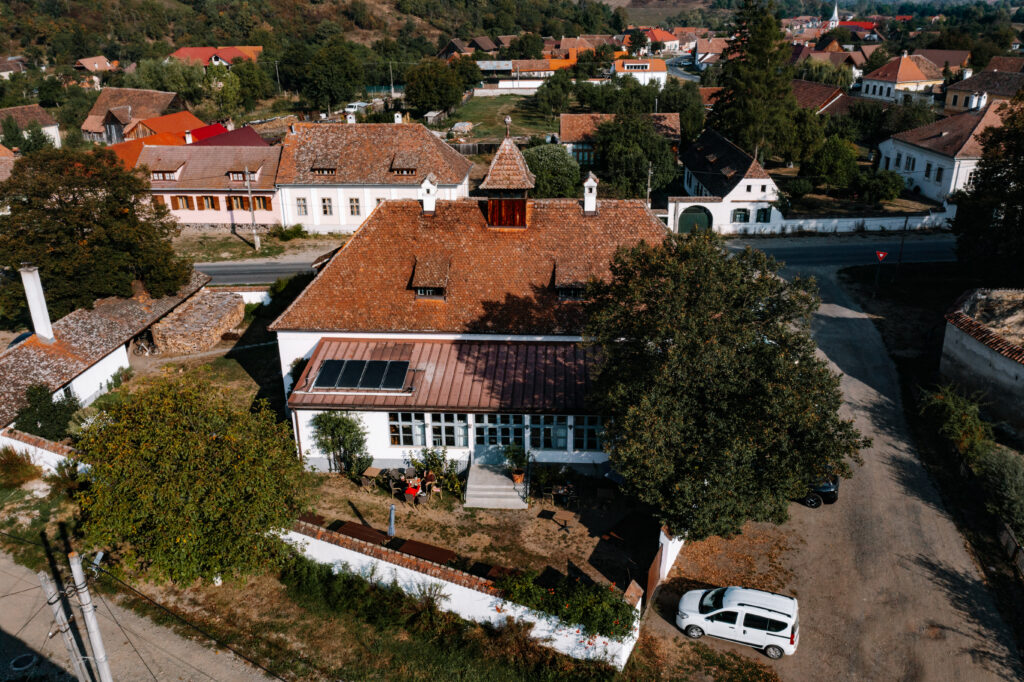
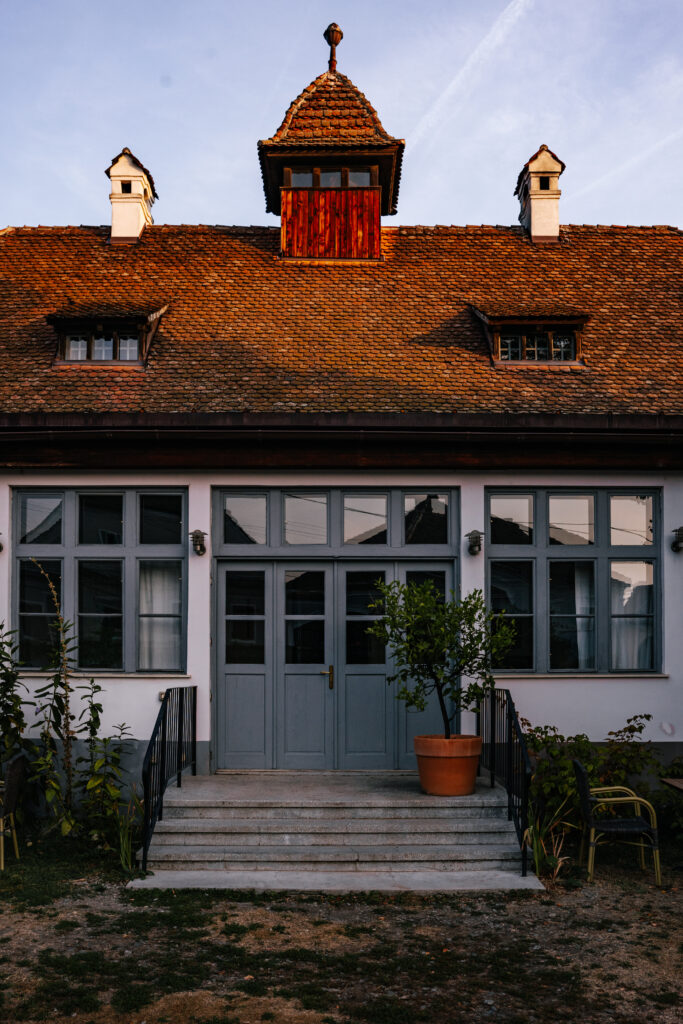
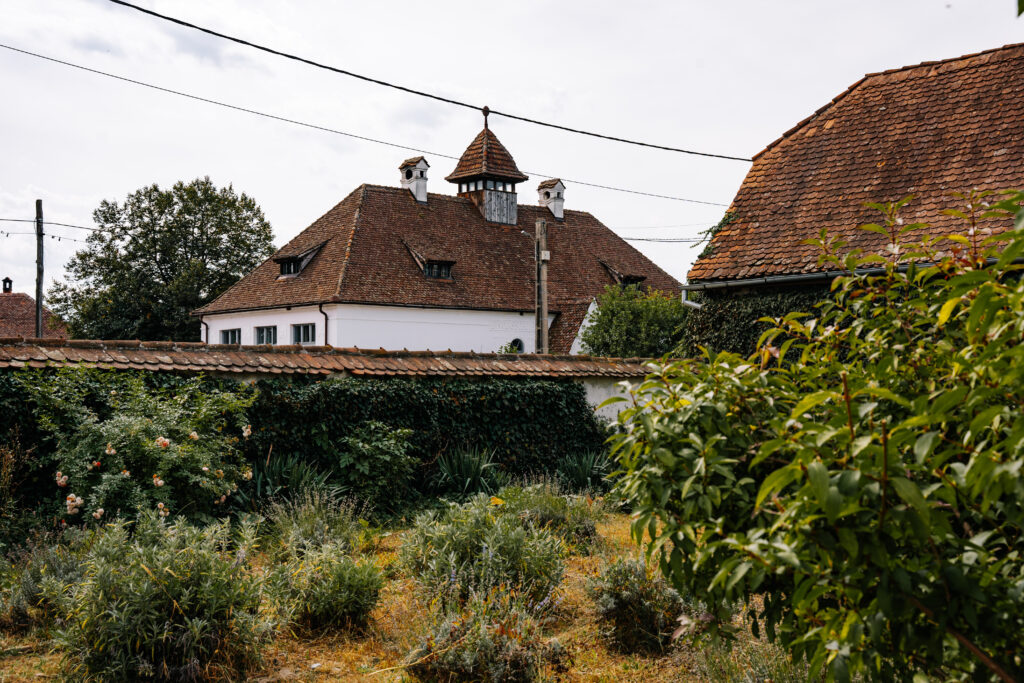
It was against this backdrop that Carmen created Cincșor.Transilvania.Case de oaspeți – a collection of guesthouses set in restored historic buildings clustered around the fortified church. The former Evangelical school, the old vicarage and a traditional village house have all been given a new lease of life, without losing their original, rural charm and historic character. Rather than turning them into yet another impersonal hotel, great care has been taken to preserve what makes these buildings so special: their original architecture, traces of the past and an atmosphere that simply cannot be recreated in a newly built property.
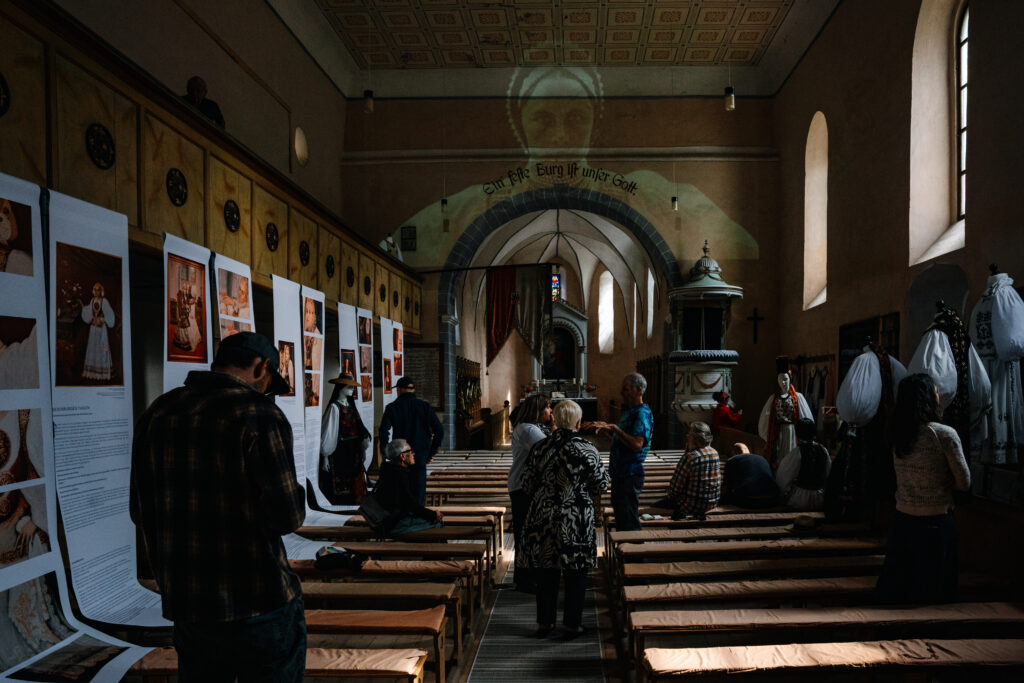
The fortified church deserves special attention. It is much more than a historic monument or a place of worship: it remains an important part of the local community, while also serving as a venue for exhibitions and cultural events. Every year, Carmen hosts an artist residency here, welcoming a dozen or so artists from around the world. The church’s interior is used not only for religious services but also as a space for art exhibitions and creative projects. Today, the congregation numbers just a dozen or so people, and Protestant services in German are held once every three weeks.
It is worth knowing that Carmen is not the only person behind this beautiful initiative. The local organisation Contrafort Pro Kleinschenk/Cincșor has also been working for years to preserve the region’s Saxon heritage. The church and part of the surrounding fortifications were restored between 2011 and 2015. In 2017, work began on developing the concept of a so-called Cultural Church (Biserica Culturală Cincșor) – a space that retains its historical and religious identity while opening its doors to contemporary art, concerts and exhibitions.
One of the most fascinating initiatives in Cincșor is the International Visual Arts Residency (Reședința Internațională de Artă Vizuală Cincșor). Each year, artists from Romania and abroad are invited to spend a week here, working, exchanging ideas and drawing inspiration from Transylvania’s history and landscape. The programme culminates in a group exhibition held within the walls of the fortified church. It is also accompanied by events open to both locals and visitors, including concerts, literary gatherings and a Transylvanian brunch featuring traditional local dishes. The residency is curated by artist and curator Elisabeth Ochsenfeld, whom I had the great pleasure of meeting. Carmen and the organisations associated with Cincșor help create an environment where local heritage becomes a starting point for new artistic interpretations.
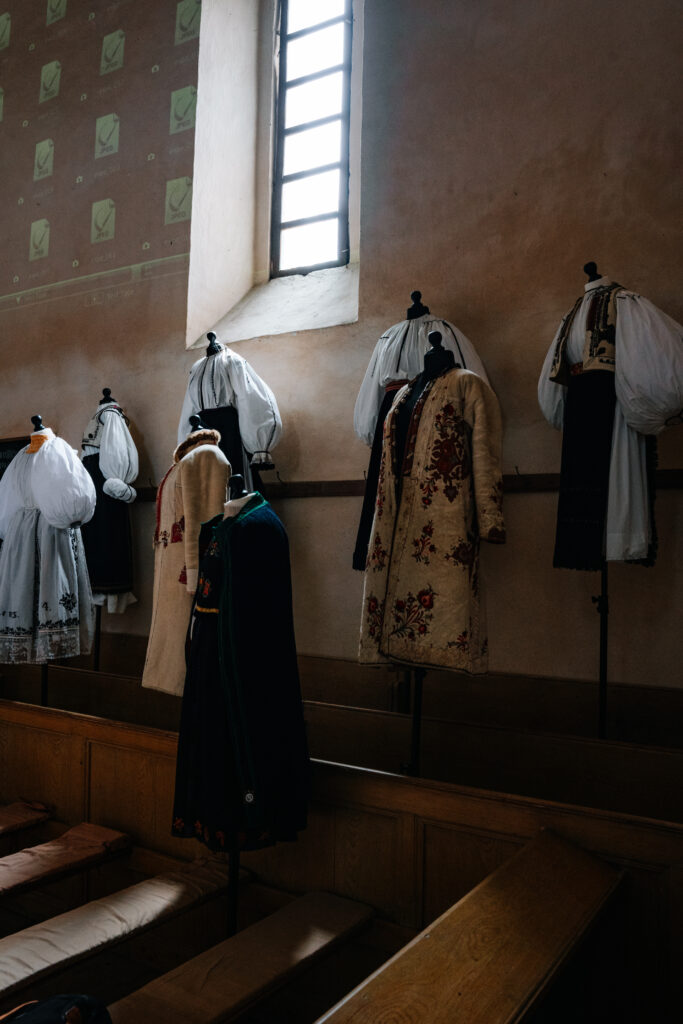
When I visited Cincșor, the artists’ residency was in full swing. I find something particularly beautiful about the idea of bringing contemporary art into a setting like this: a 15th-century church that has stood at the heart of the local community for centuries. It gives the building a life beyond that of a historic monument to be admired from a distance. It remains a place where people gather, where something is still happening – even if today, their reasons for coming together extend far beyond religious services. It is also a meaningful way of keeping the culture of the Transylvanian Saxons alive. Following the mass emigration of the late 20th century, their once-thriving community dwindled considerably. Exhibitions and cultural events help keep their history and traditions in the collective memory, while giving this historic space a new purpose and a place in contemporary life. This year, the exhibitions centred on traditional Transylvanian dress, reflecting the region’s rich cultural mix of Saxon, Romanian, Roma and Hungarian influences.
During the summer months, concerts are also held here, bringing an entirely new dimension to these historic interiors. And perhaps it is this meeting of old and new that best captures the spirit of Cincșor – a place where the past is not simply part of the scenery, but remains woven into the fabric of everyday life and culture.
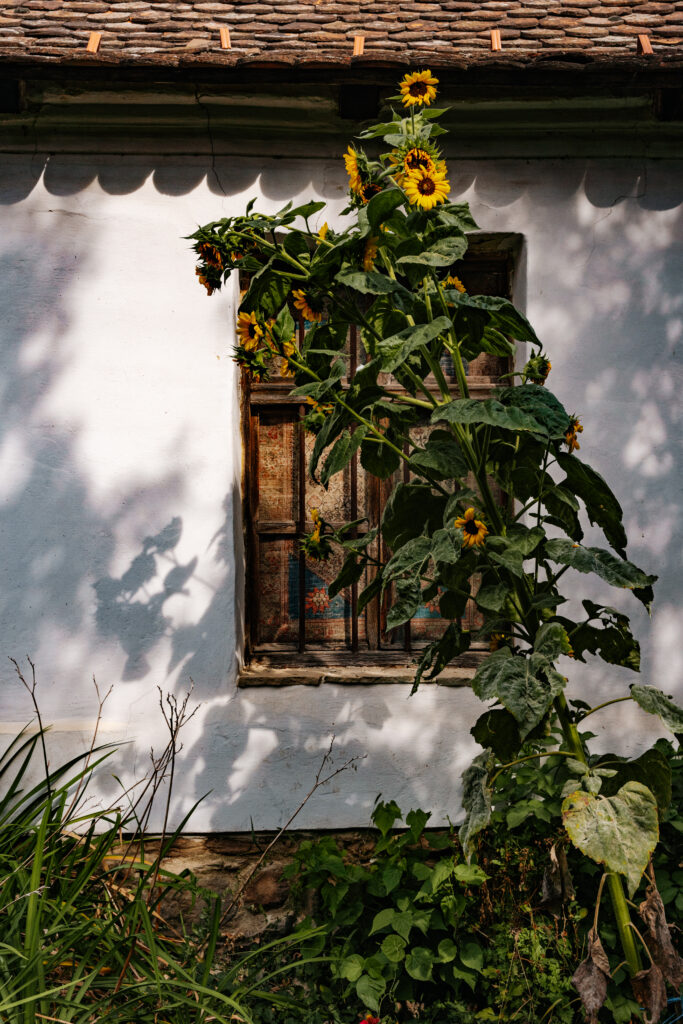
The Story Behind the Guesthouse: How It All Began and Who Made It Happen
The story of Cincșor.Transilvania.Case de oaspeți began long before the first guests arrived at its restored buildings. To understand it, we need to go back to a time when Cincșor, known in German as Kleinschenk, was one of Transylvania’s Saxon villages, with the church, school and vicarage forming the heart of community life. Much has changed since then. The 20th century proved particularly difficult, especially in the years following the fall of communism, when a large proportion of the local Saxon population emigrated to Germany. With them, much of the culture that had shaped this region for centuries began to fade. Buildings were left abandoned and gradually fell into disrepair, while the former Evangelical school, where generations of local children had once studied, slowly slipped into ruin.
Meet the Host: Carmen and Her Story
One of the people determined to reverse this decline was Carmen Schuster, who was born and raised in Cincșor. In 1984, she left Romania for Germany, where she went on to build a professional career in the banking sector. It was many years before she returned to her homeland, initially on a work-related project that brought her back to the village where she had spent her childhood. Seeing the old school and the other neglected buildings again proved to be a turning point. As she has recalled in interviews, returning to Romania for good had never been part of her original plan. But confronted with the deteriorating state of the village’s historic architecture, she felt that something had to be done.
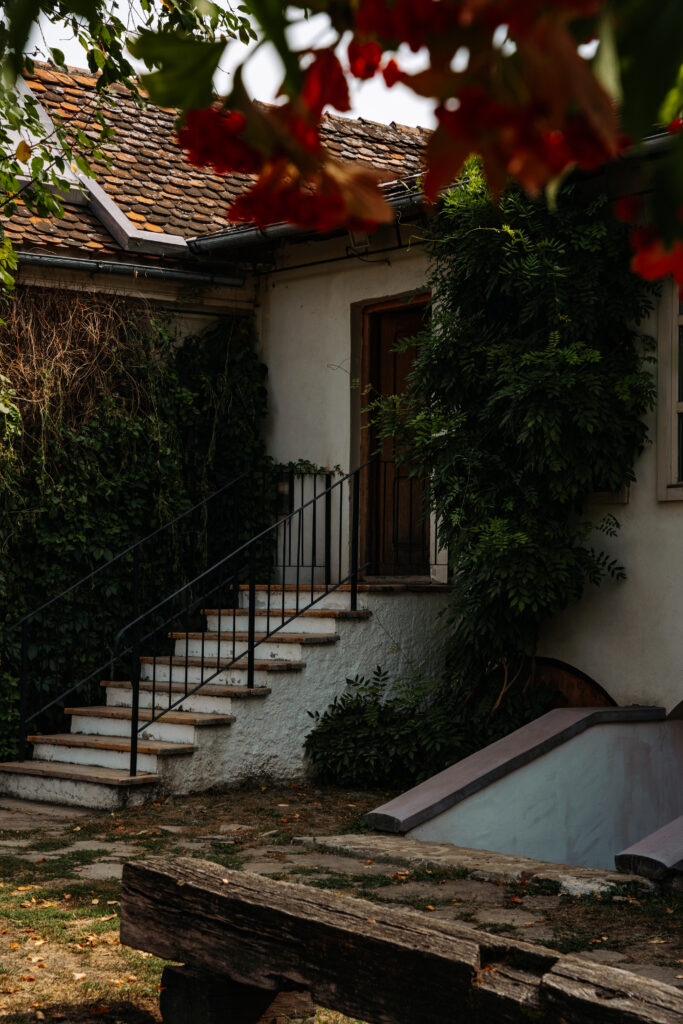
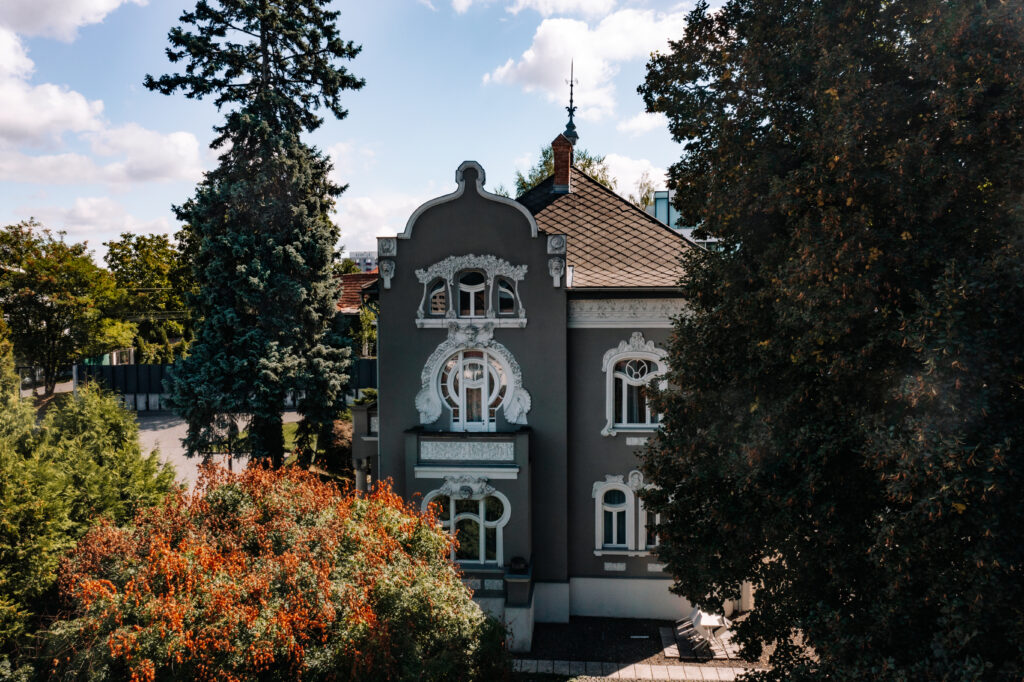
The first step was to save the former Evangelical school, which Carmen purchased in 2008. It was no ordinary property acquisition: this was the very building where she had spent part of her childhood. Designed by Transylvanian architect Fritz Balthes and completed in 1910, the school is a particularly interesting example of Art Nouveau architecture in the region. After years of neglect, however, it was in need of extensive restoration. In time, Carmen and her husband, Michael Lisske, expanded the project to include the former Evangelical vicarage and several other historic buildings in the village, gradually transforming them into guesthouses. The idea was never to erase the traces of the past and start afresh. Instead, the aim was to preserve as many of the original features as possible, while restoring the buildings to a usable condition and adapting them to their new purpose.
Bringing these buildings back to their former glory was a painstaking process, requiring both time and specialist expertise. The restoration involved experts affiliated with the University of Arts in Bucharest, with each stage carefully balancing the conservation of historic features with the thoughtful introduction of modern comforts. During the renovation of the former vicarage, for instance, workers uncovered old wall paintings that were carefully preserved and can still be admired inside the building today. The vicarage itself is one of the oldest buildings in Cincșor, surpassed in age only by the village’s fortified church. Discoveries like these are a reminder of just how much history can lie hidden within old walls – buildings that people may have walked past for years without giving them a second glance. It makes me wonder how many more forgotten, abandoned gems are still waiting to be rediscovered in this part of Transylvania.
Today, Cincșor.Transilvania.Case de oaspeți is much more than a tourism venture. While the historic buildings now serve as guesthouses, their restoration has also helped preserve an important part of the Transylvanian Saxon cultural heritage. The project is a reminder that historic architecture need not be sealed away behind museum glass or left to slowly crumble. Given a new purpose, it can continue to be part of everyday life, serving the people who live in and visit these places. And to me, that is perhaps the most compelling part of the story. Carmen did not set out to create a place that simply recreates the look of old Transylvania for visitors. Instead, she chose to save a piece of the world she herself came from, ensuring that it could remain a place to live, to gather and to discover the stories of the past.
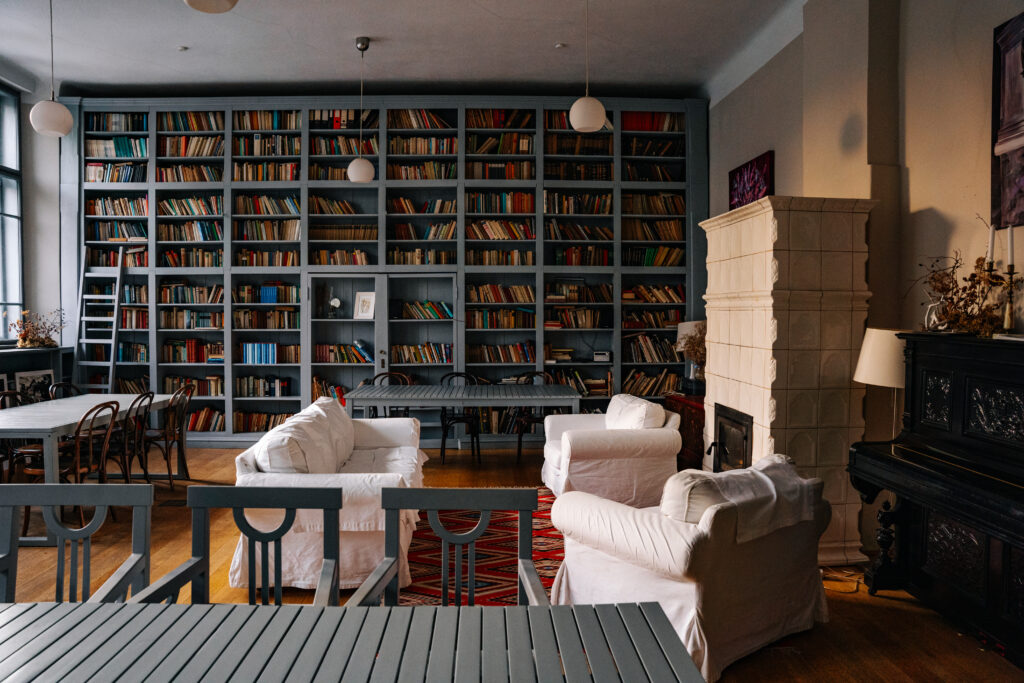
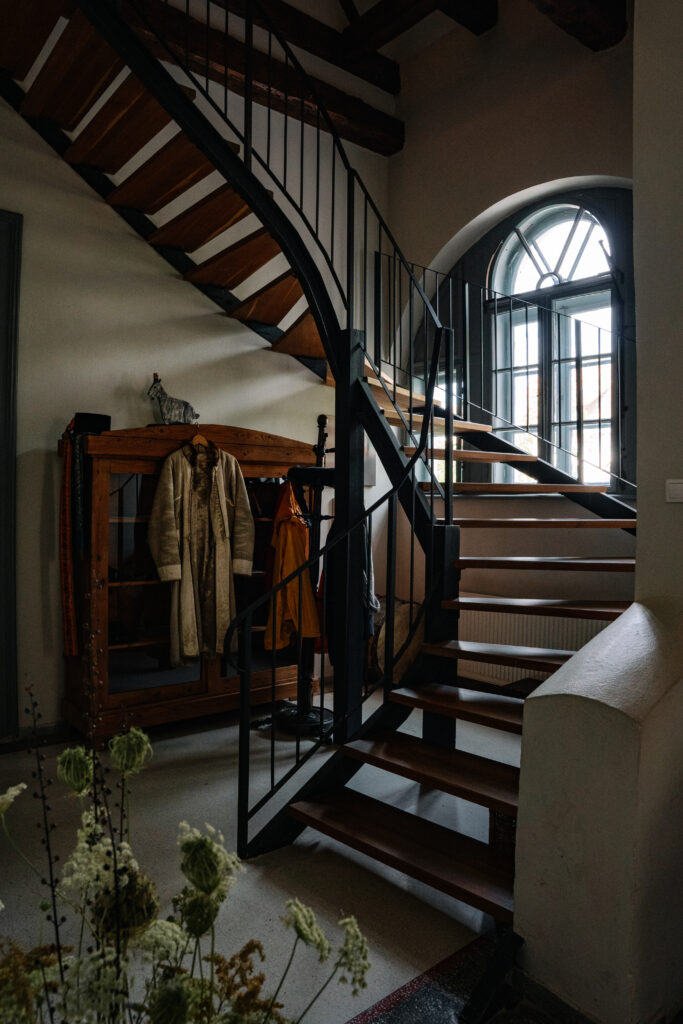
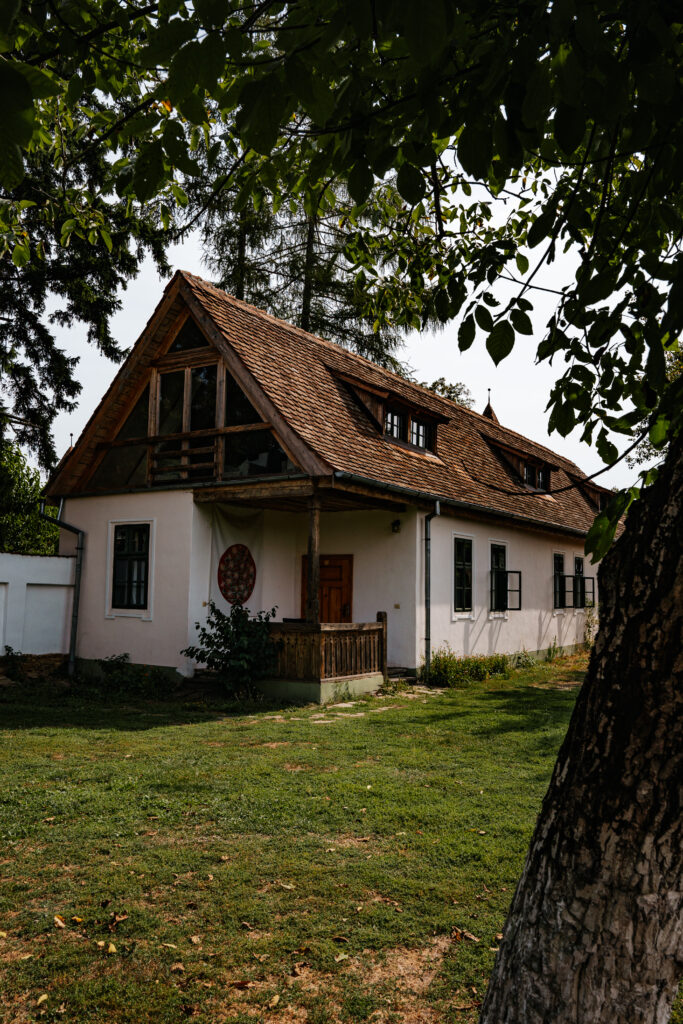
A Sense of Place: Architecture, Interiors and Thoughtful Details
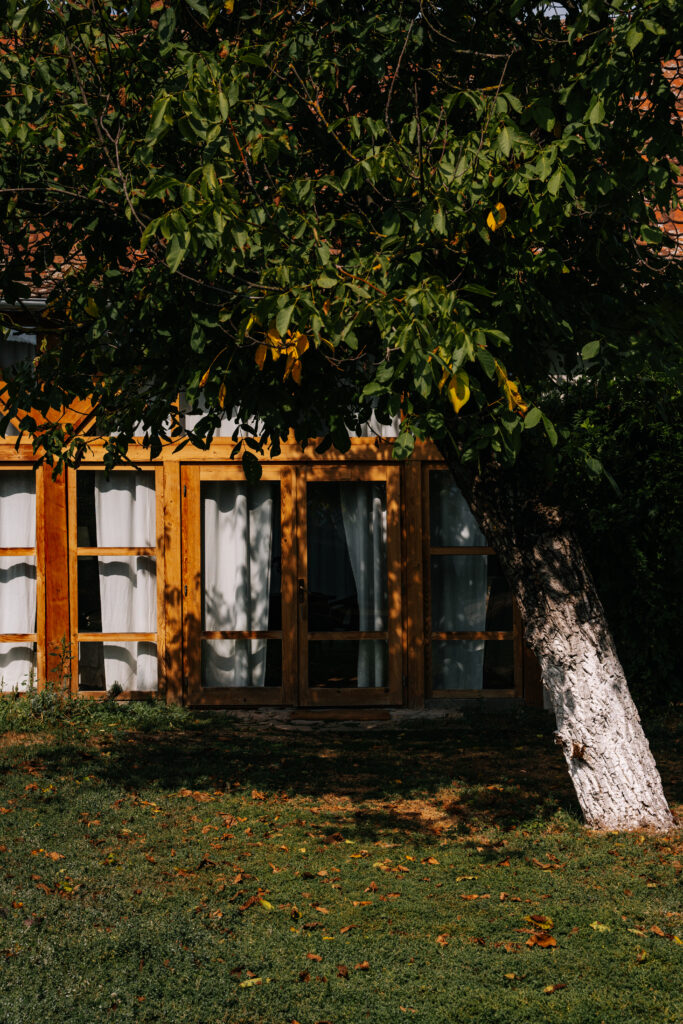
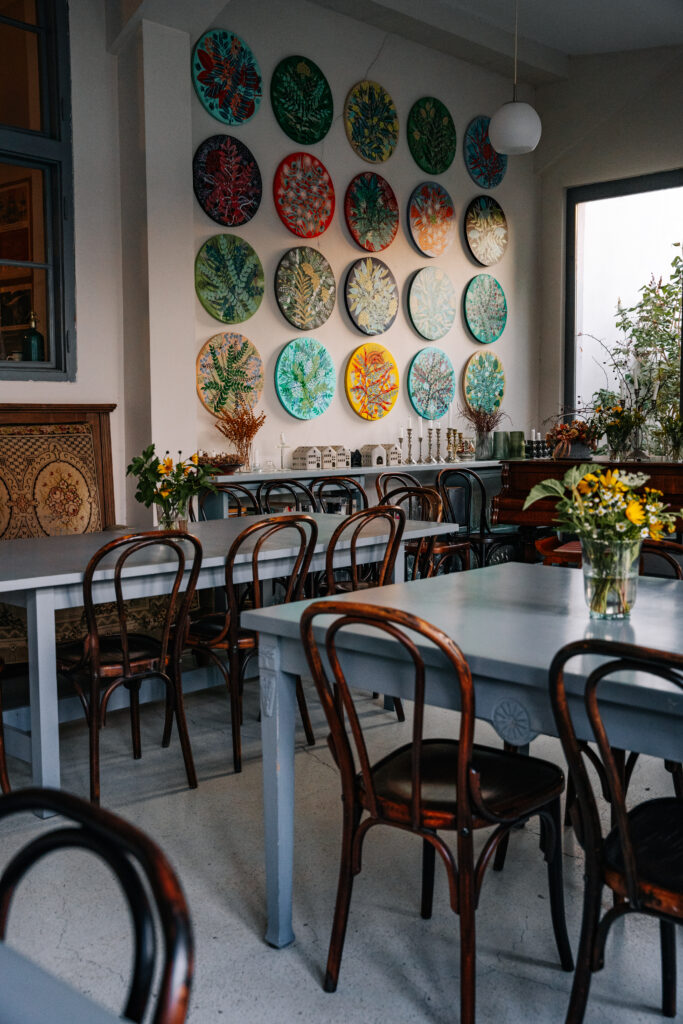
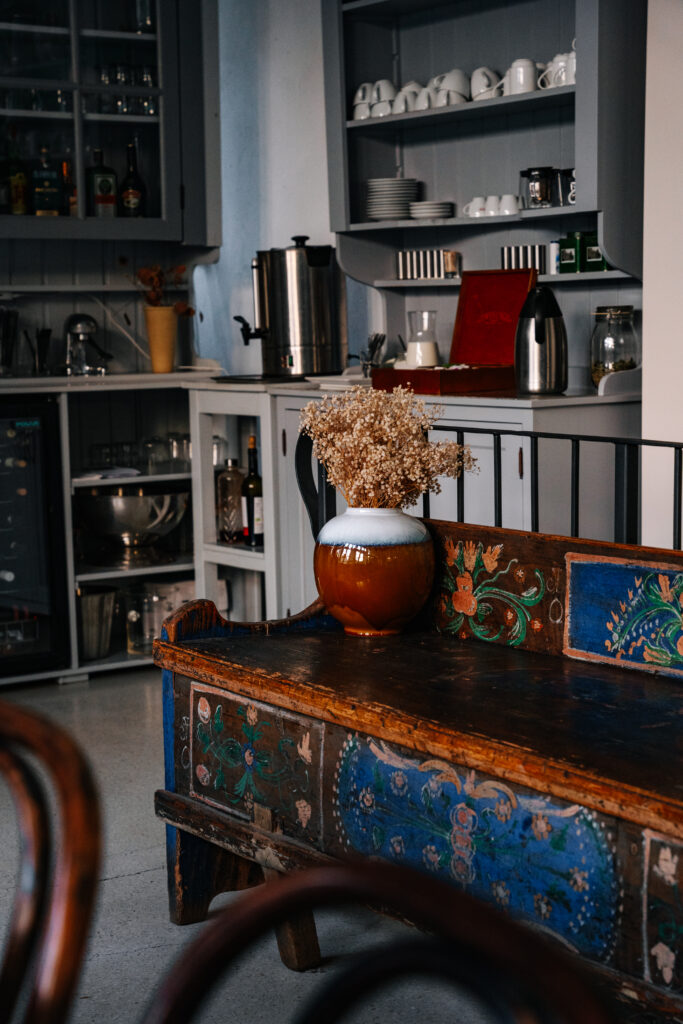
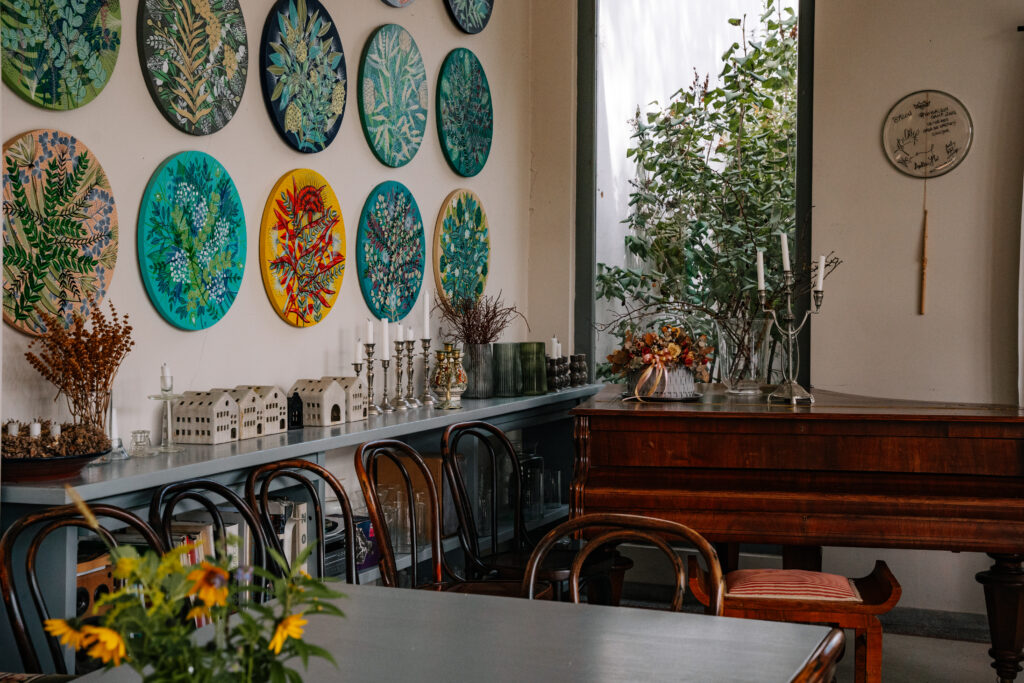
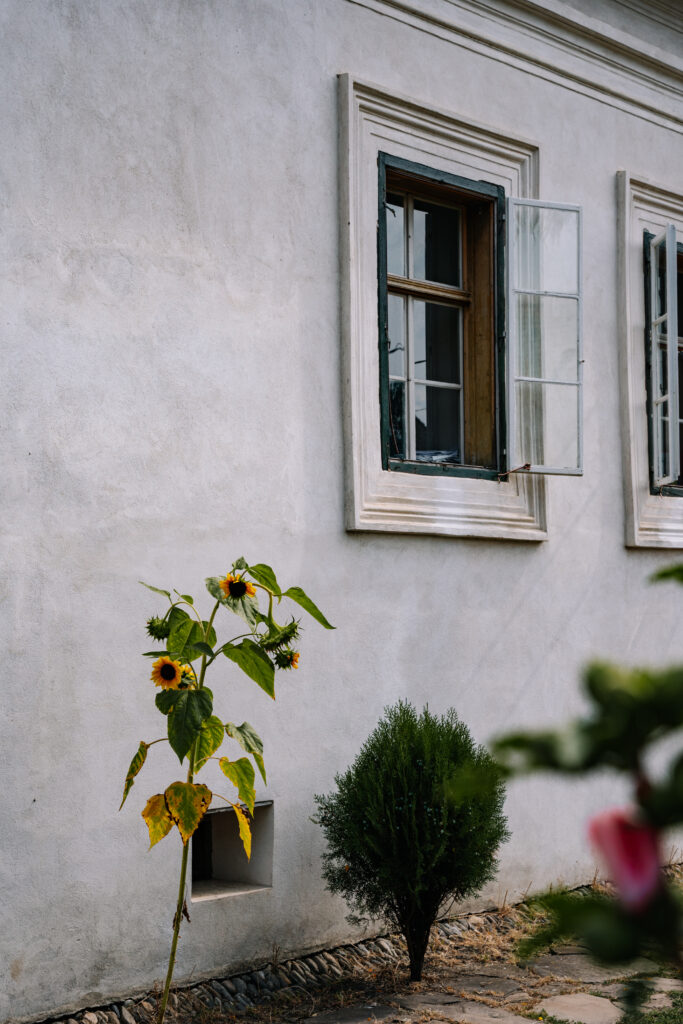
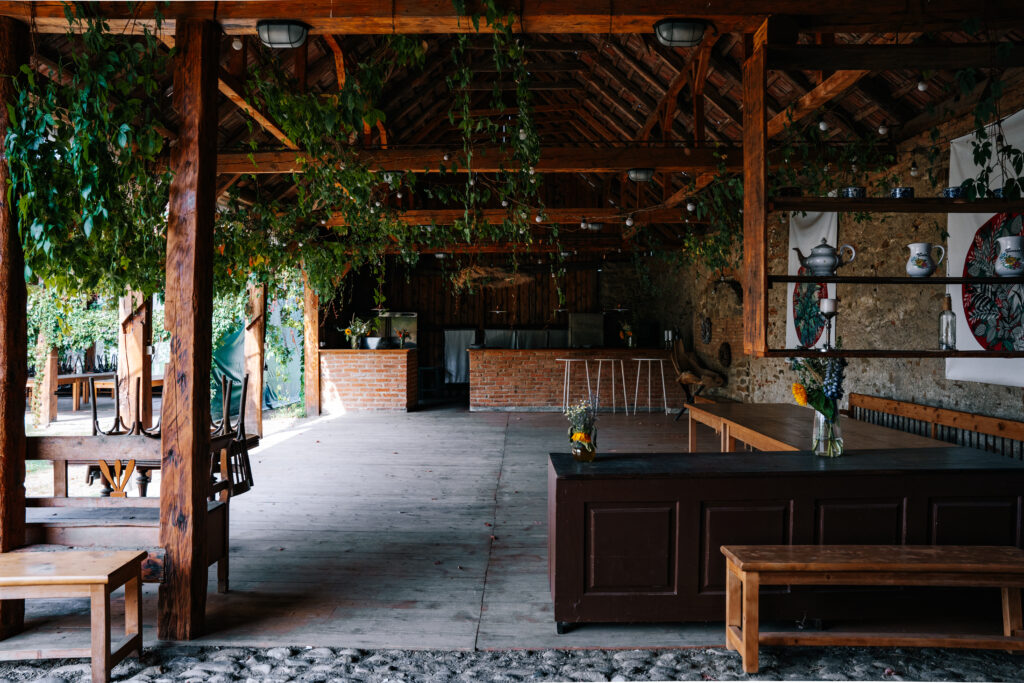
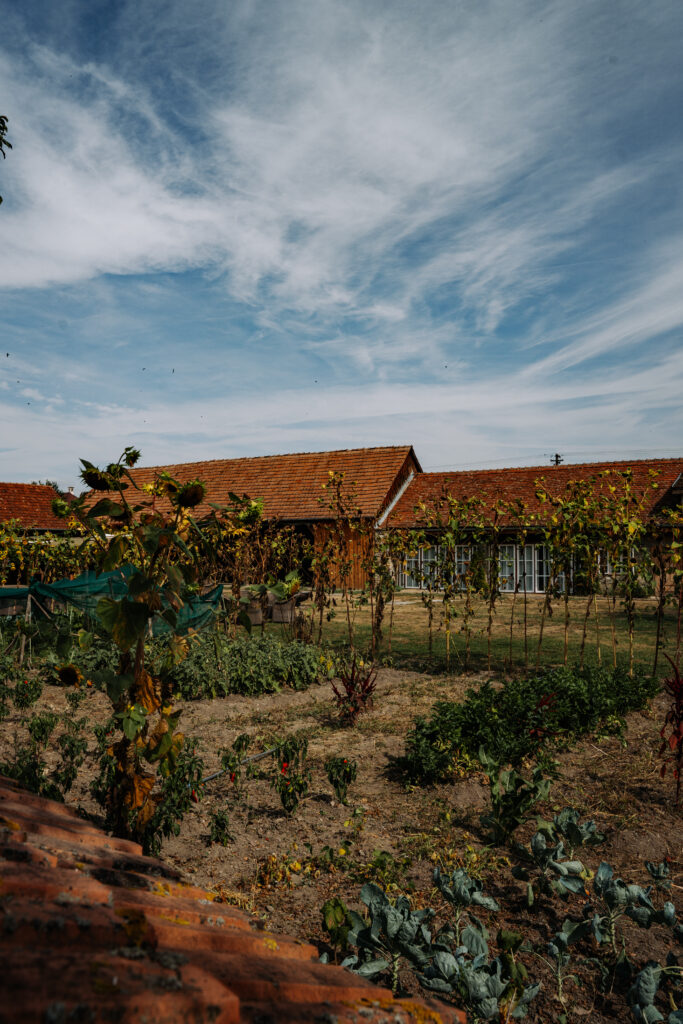
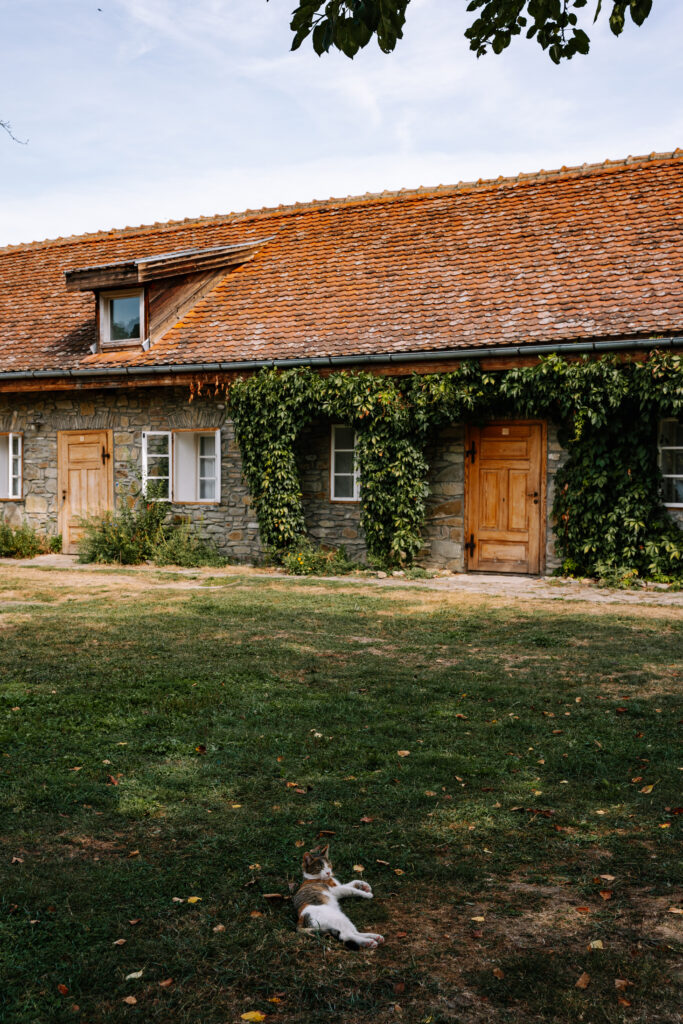
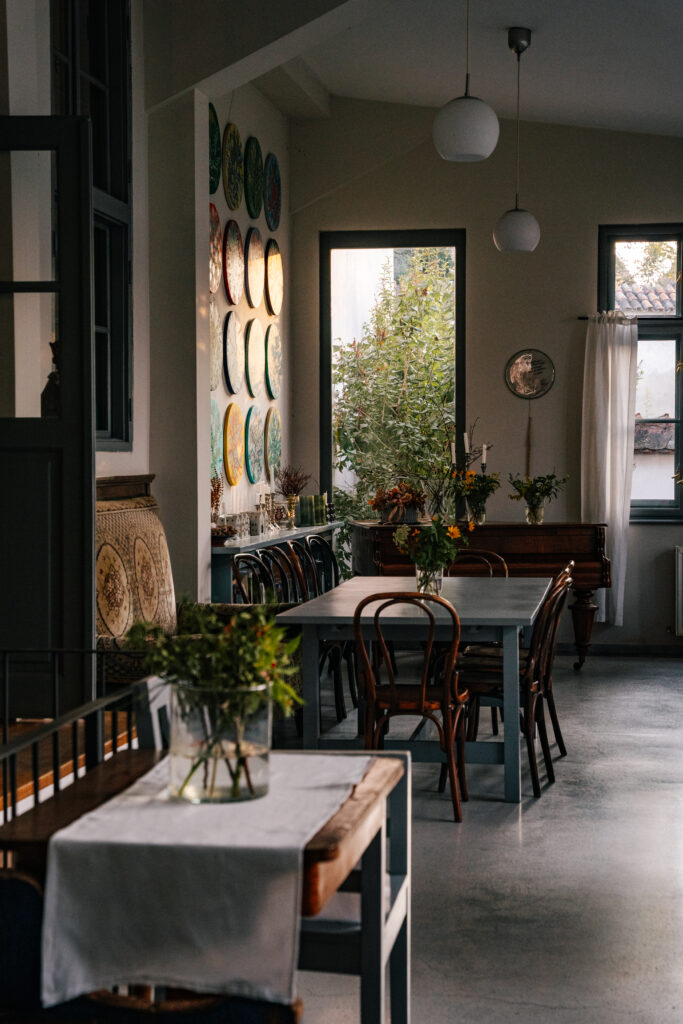
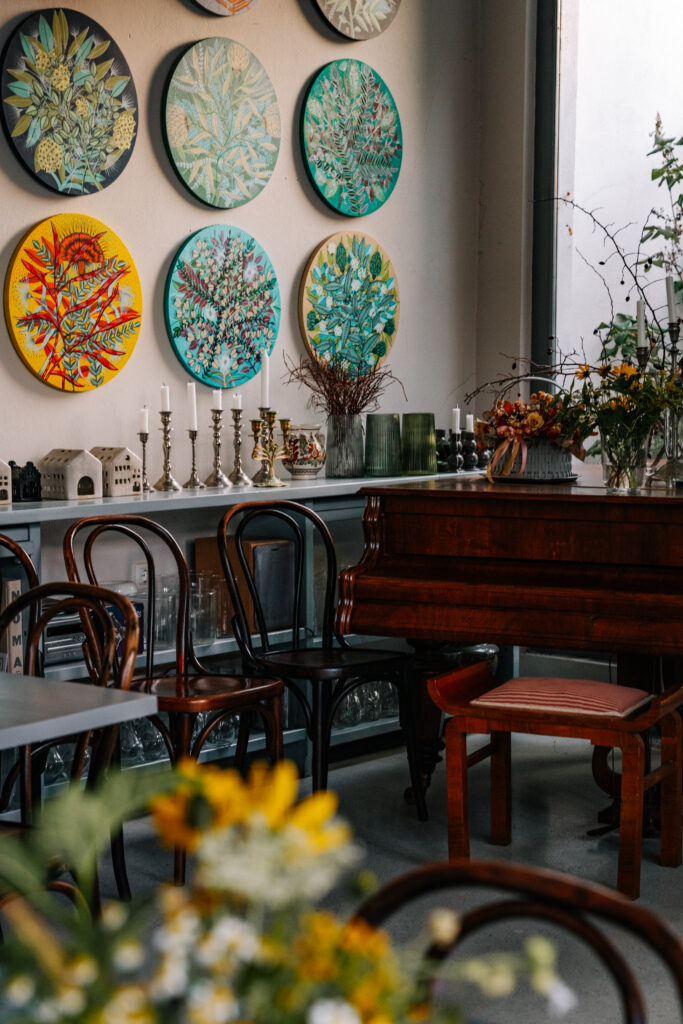
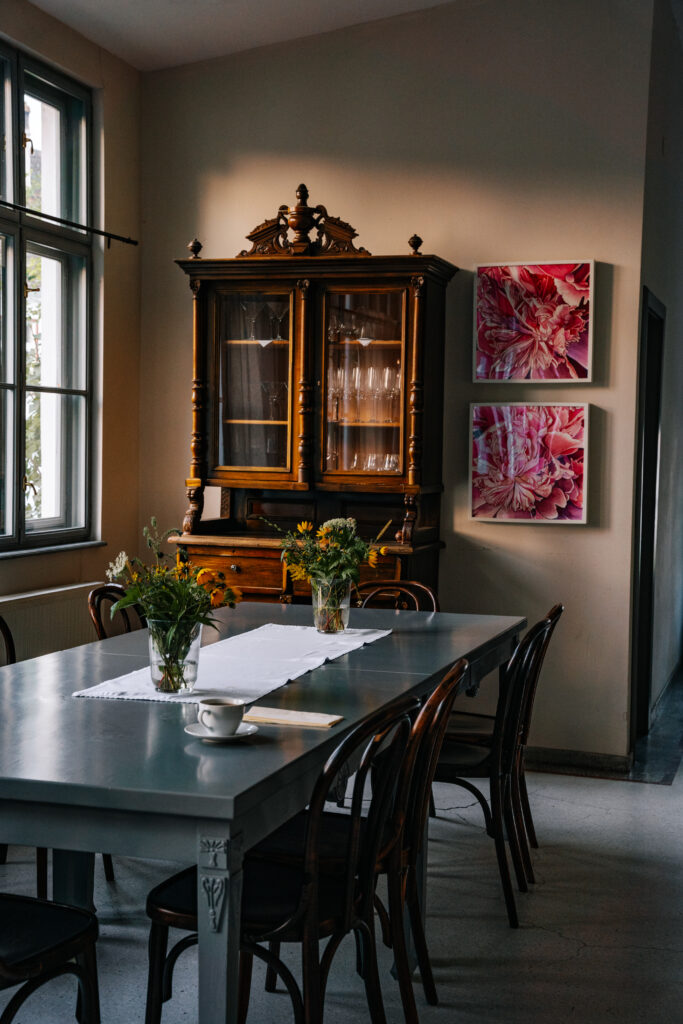
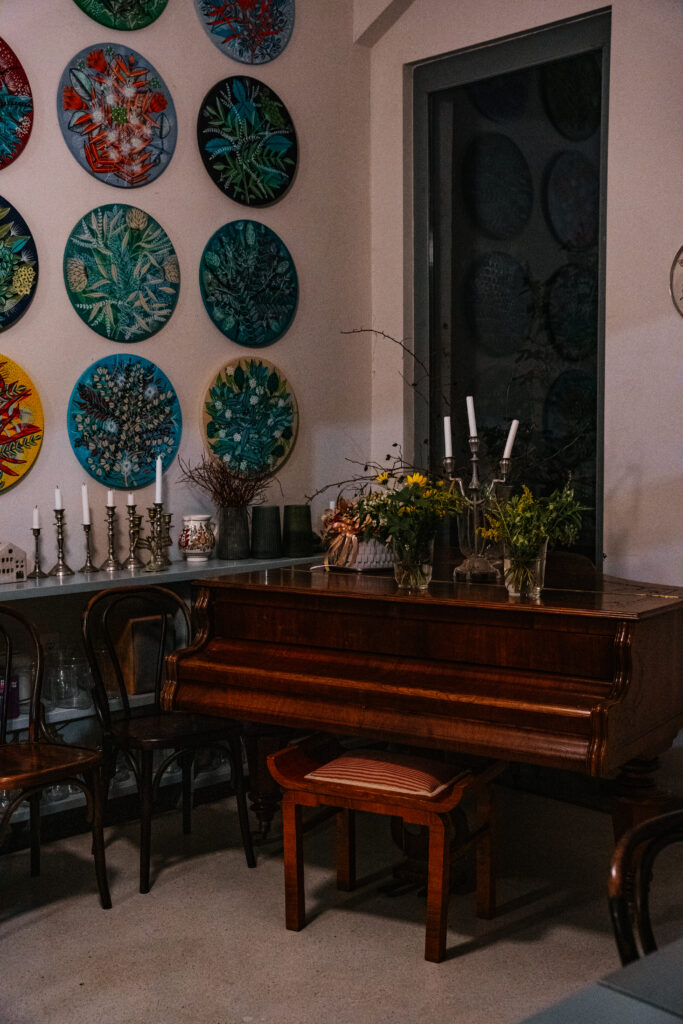
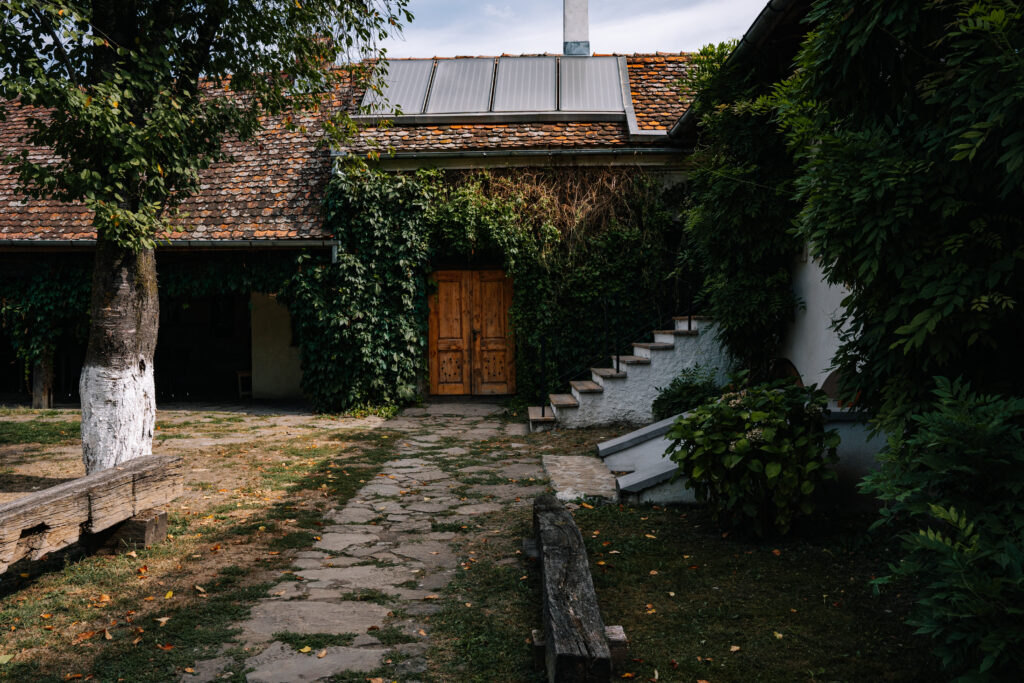
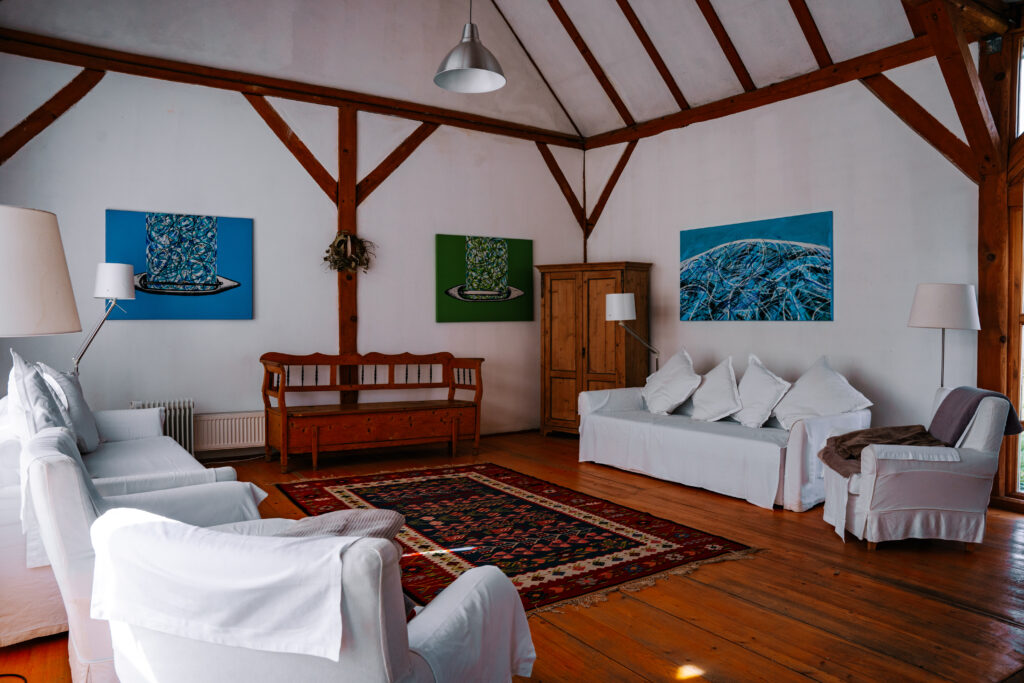
The Cincșor.Transilvania.Case de oaspeți complex comprises several historic buildings, each with its own distinct character. Guests can choose from rooms in the former Evangelical school, the vicarage, a traditional village house and Frank House. Together, they bring the traditional architecture of a Saxon village into conversation with the comforts expected of a contemporary guesthouse. There is no standard hotel décor here, no identikit rooms or furniture ordered from the same catalogue. Instead, you’ll find old wooden features, carefully restored furniture, natural materials, a muted colour palette and countless little details. Everything comes together in quiet harmony, complementing the history of the buildings rather than competing with it.
The interiors strike a lovely balance between rustic charm and contemporary touches. The rooms feature wooden beds, tables and chairs, while some also have small libraries, bathtubs and cosy seating areas. A number are tucked away beneath the eaves, adding to the character of these historic buildings, while others look out over the garden, courtyard or surrounding mountains. The traditional feel does not come at the expense of comfort, either. All rooms have private bathrooms, Wi-Fi and the essential amenities, although their size, layout and individual features vary depending on the category you choose. It is worth looking out for the split-level rooms in particular, where the seating area and bathroom are downstairs, with the bedroom nestled upstairs beneath the roof.
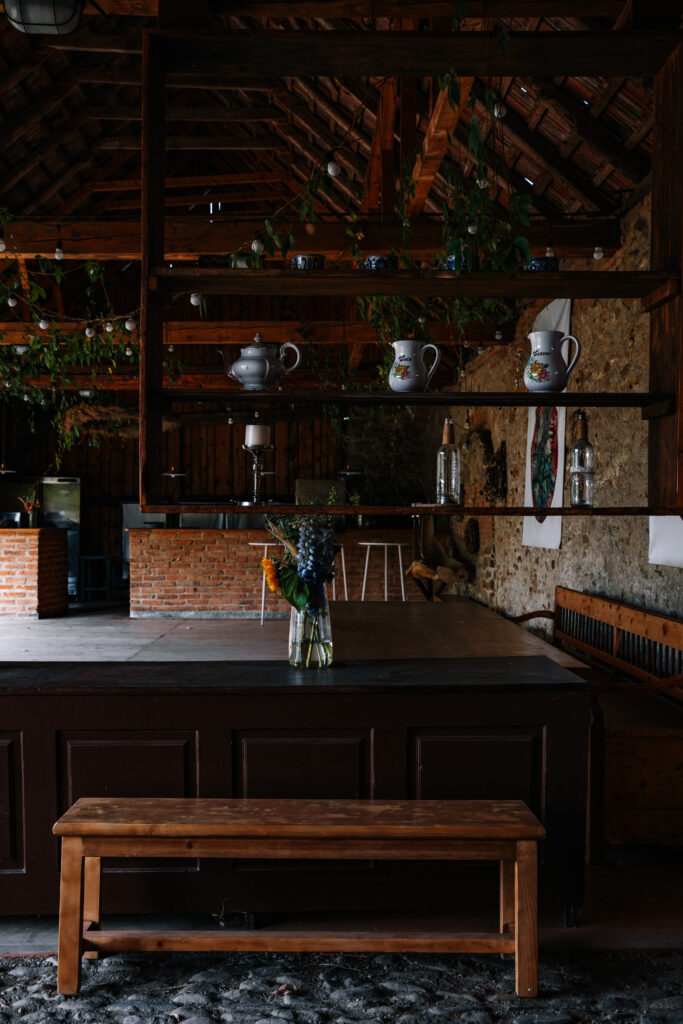
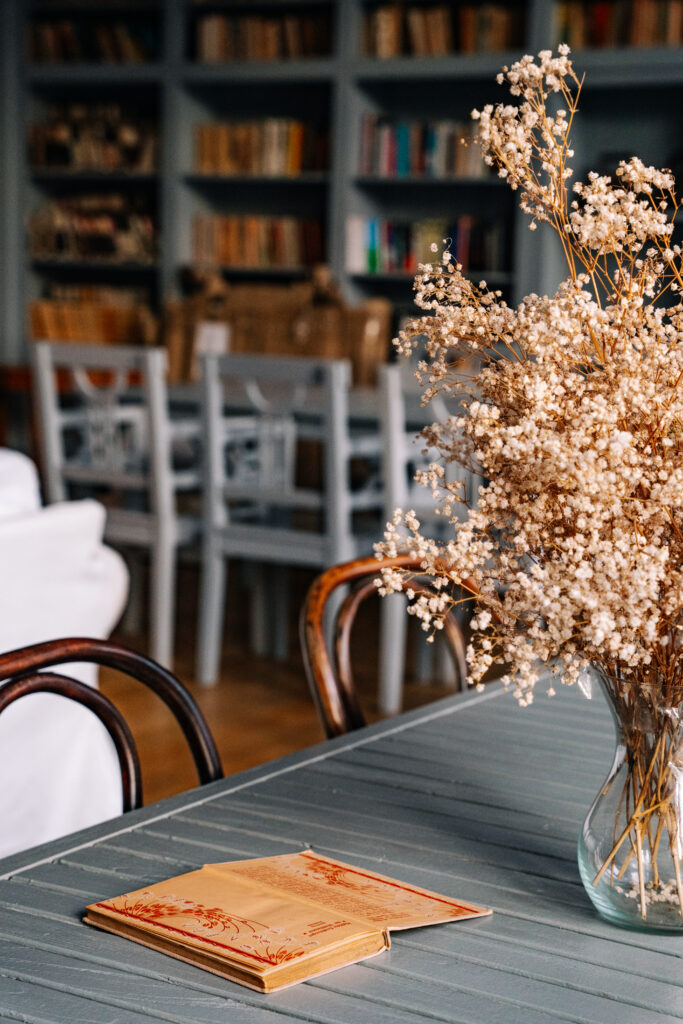
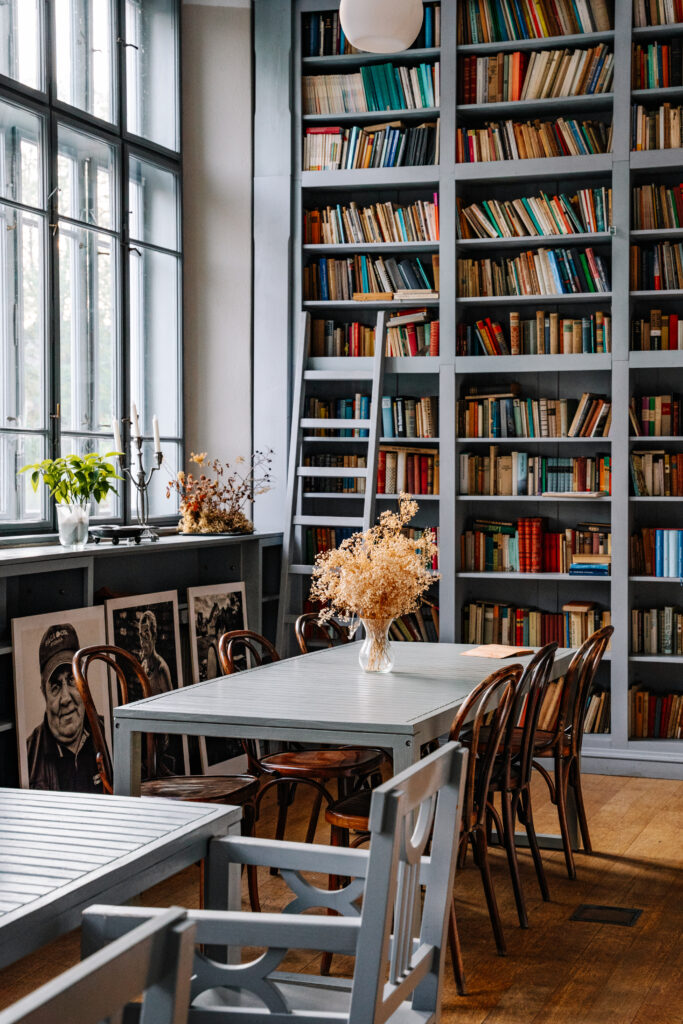
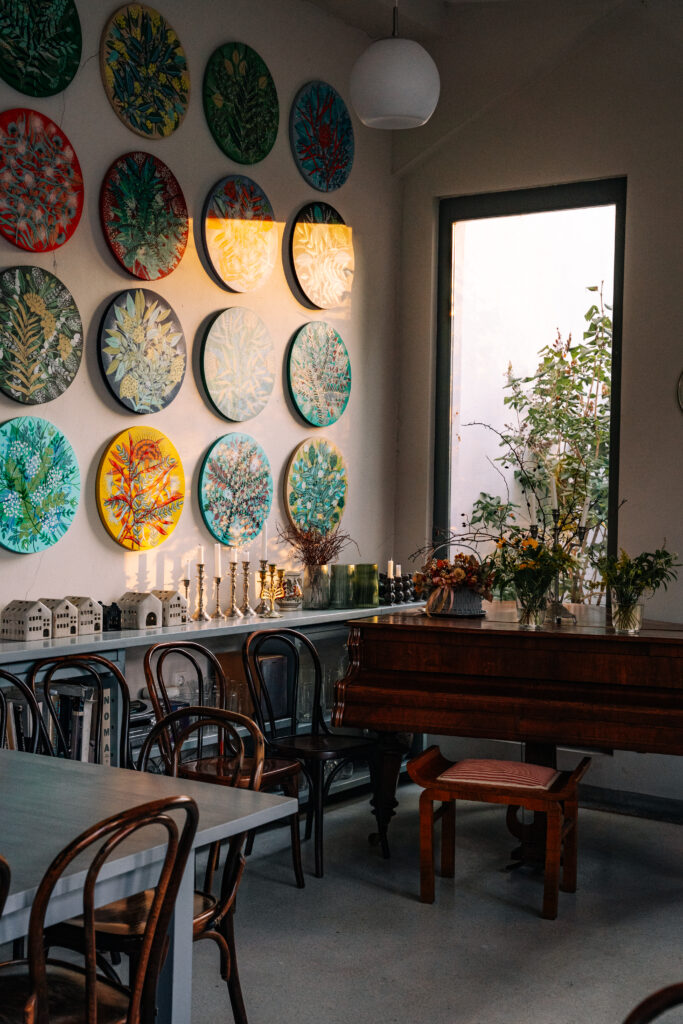
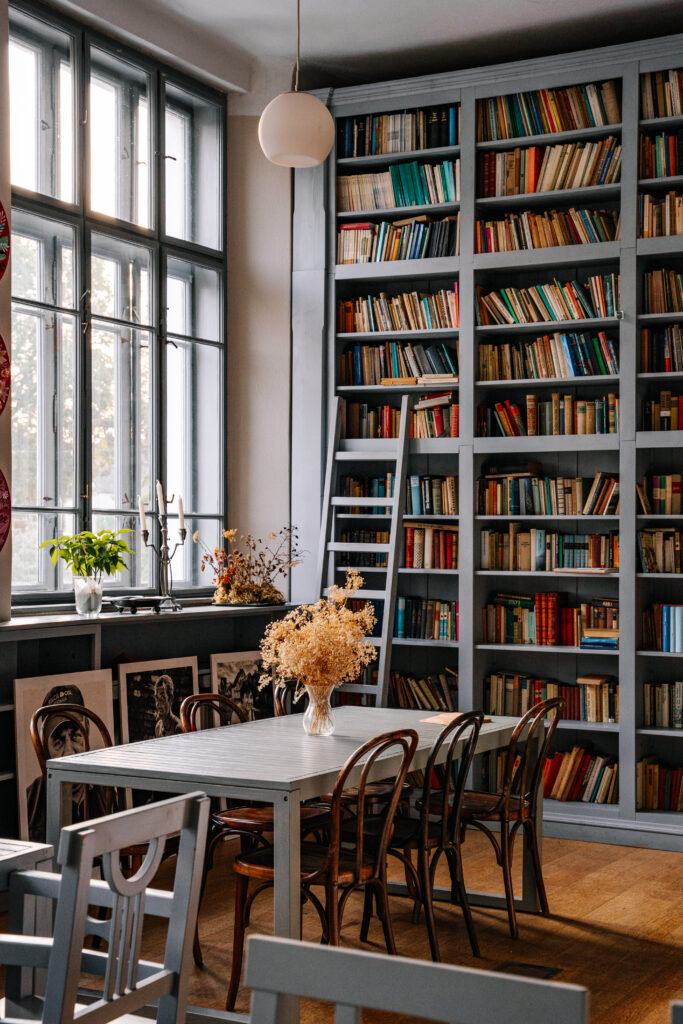
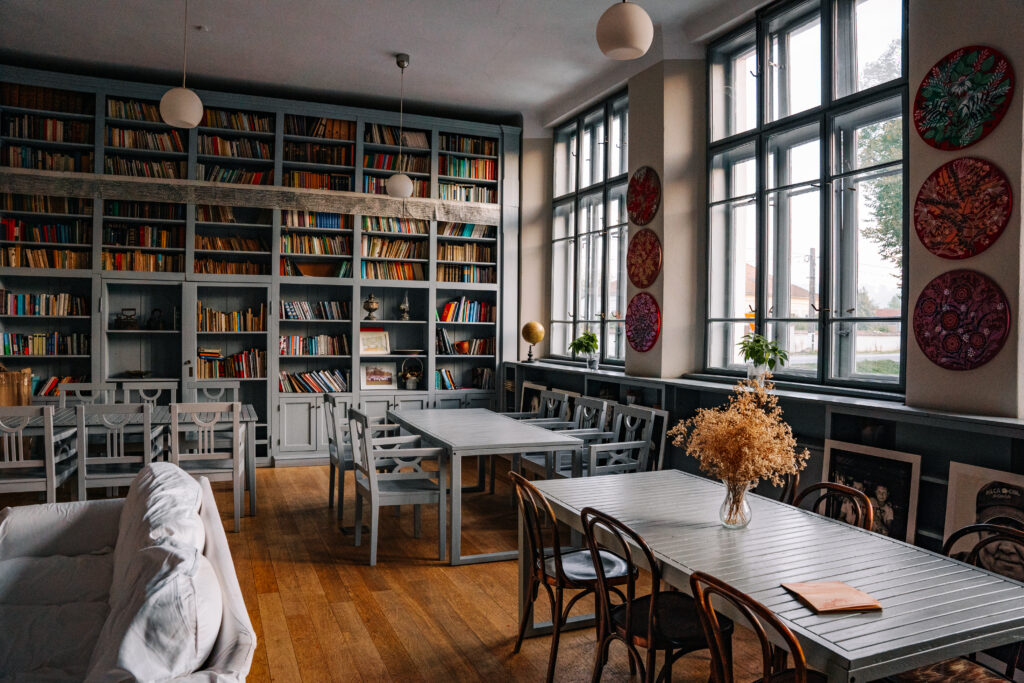
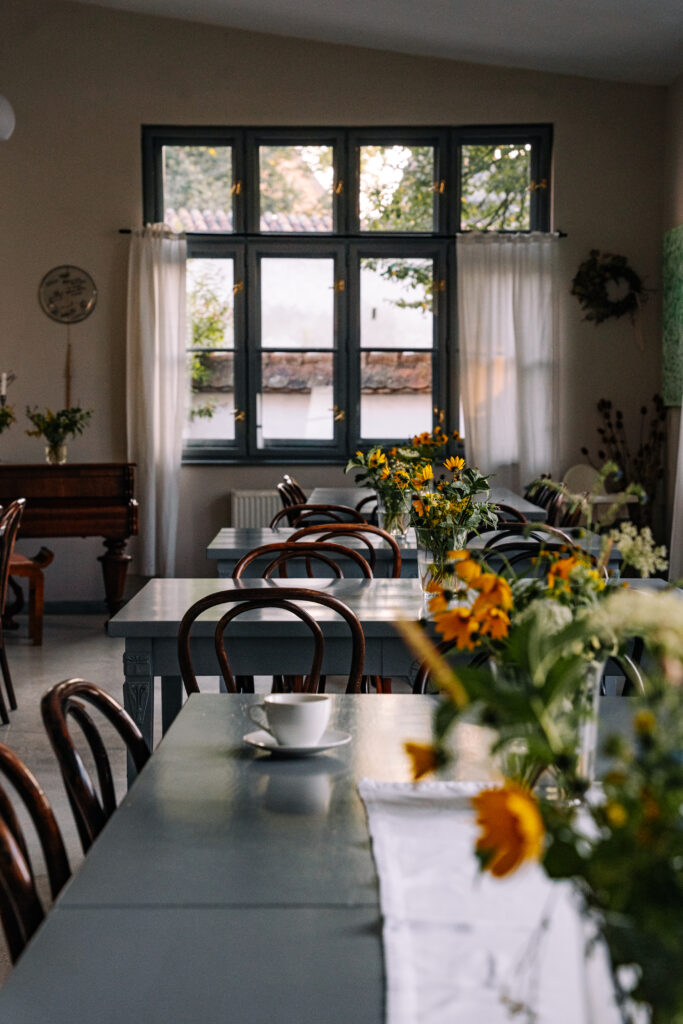
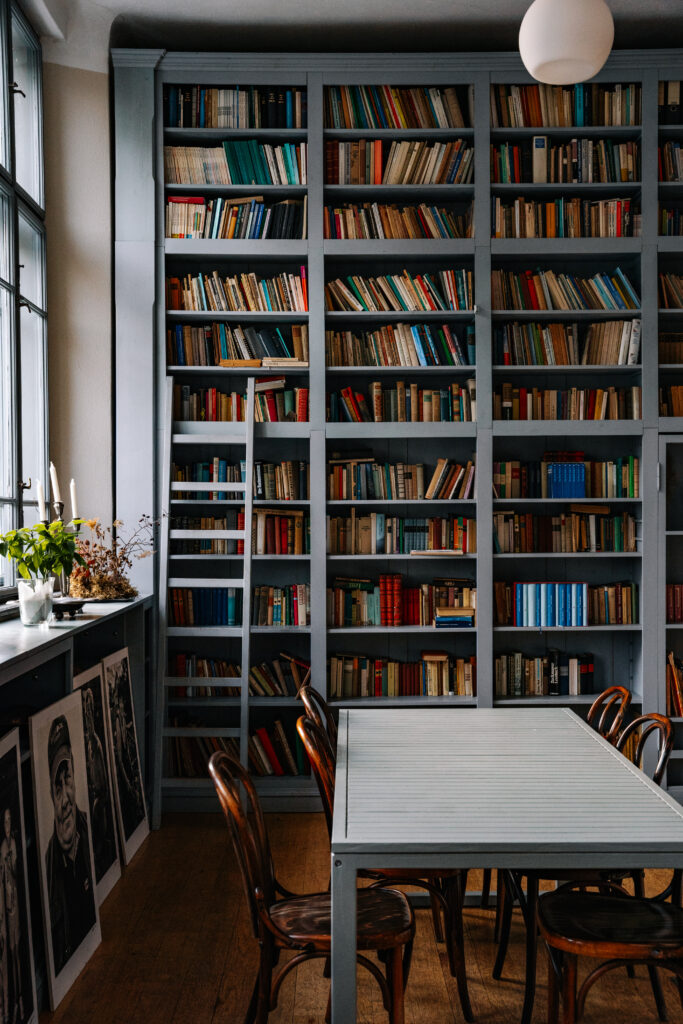
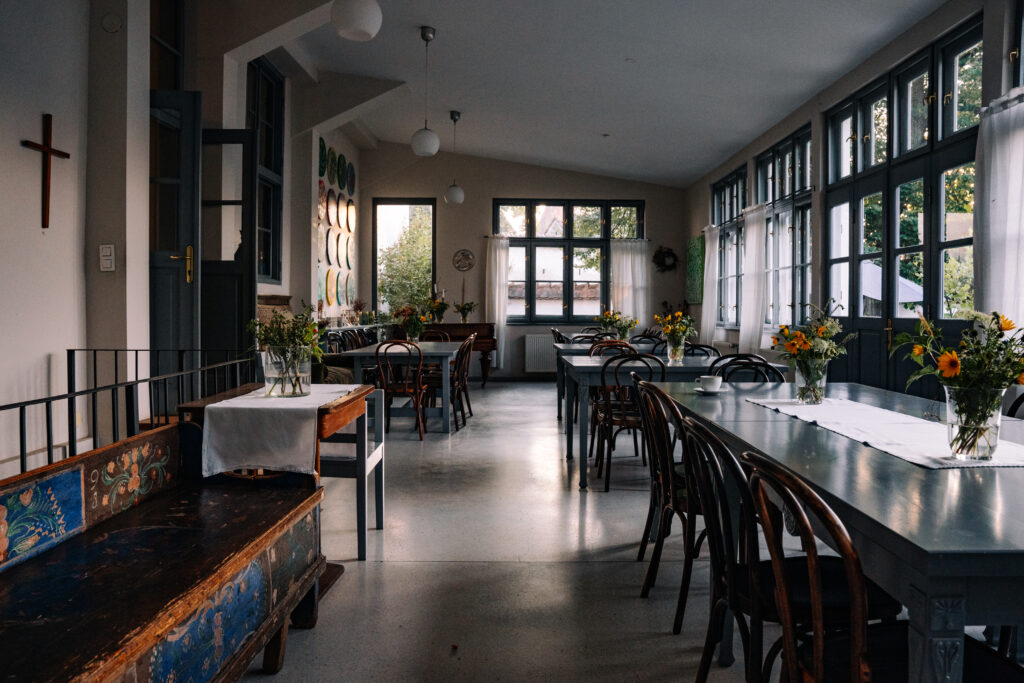
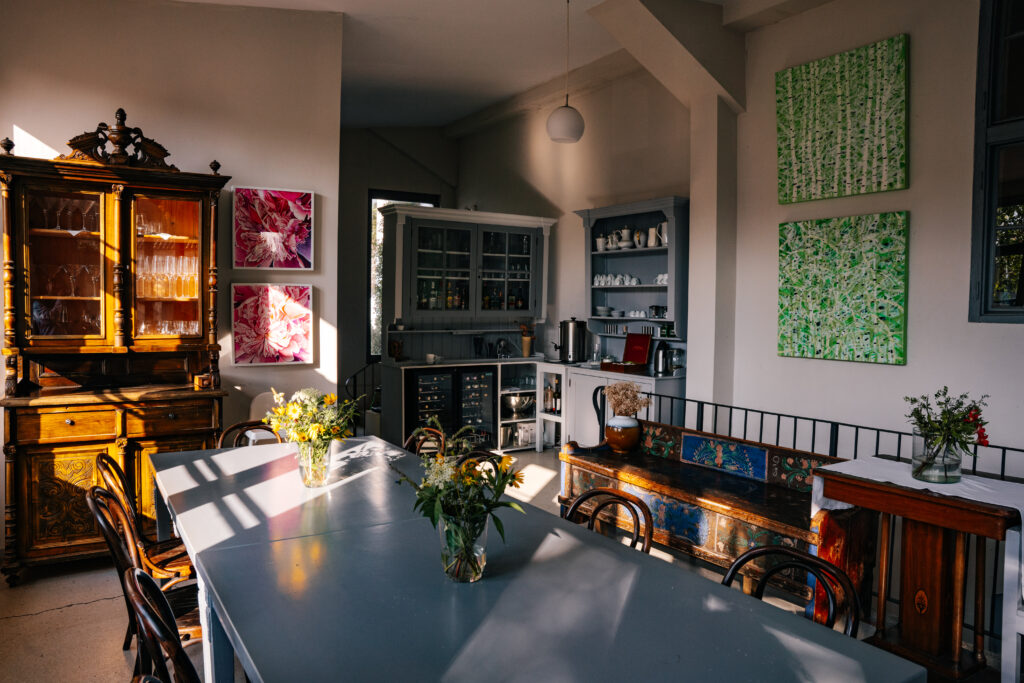
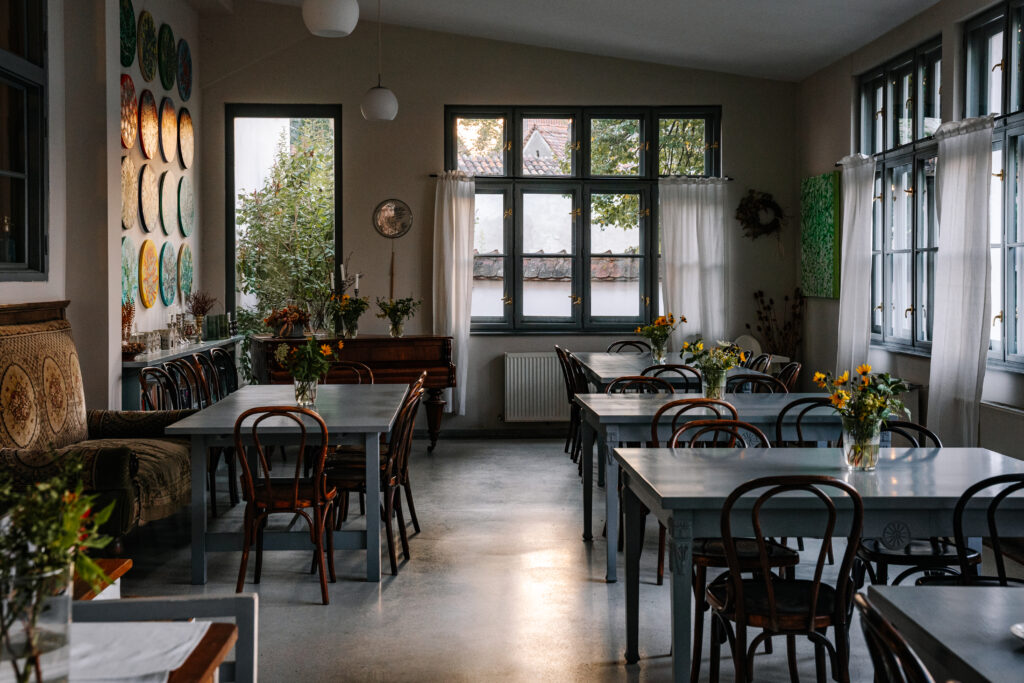
What makes the place particularly special, however, is that not every space has been designed with overnight guests in mind. The shared areas, dining room and little library, with its fireplace and large communal tables, seem to invite you to settle in with a book, strike up a conversation or simply unwind after a day spent exploring Transylvania. The library was what captivated me most. Its windows look out towards the walls of the fortified church, while the soft sofas and crackling fireplace make it the kind of place where you could happily lose track of time with a good book. Both the library and dining room make it clear that Cincșor has no intention of pretending to be a luxury hotel transplanted into the countryside. Its greatest strength lies in the balance between comfort and authenticity, and in the space it leaves for life's simpler, everyday pleasures.
Food and Local Flavours: A Dialogue Between Old and New
I wouldn’t be myself if I didn’t devote a few words to the local food. The cuisine at Cincșor draws on the culinary traditions of the three communities that have shaped Transylvania over the centuries: the Saxons, Hungarians and Romanians. Chef Adrian Boșcu works with carefully selected local ingredients, taking inspiration from traditional recipes while reinterpreting them with a contemporary touch. This conversation between old and new is perhaps the best reflection of Cincșor itself: here, a deep respect for local heritage goes hand in hand with creativity and a willingness to explore new ideas. In 2019, the restaurant was recognised by Romania’s Gault&Millau gastronomic guide in the category of establishments offering exceptional culinary experiences.
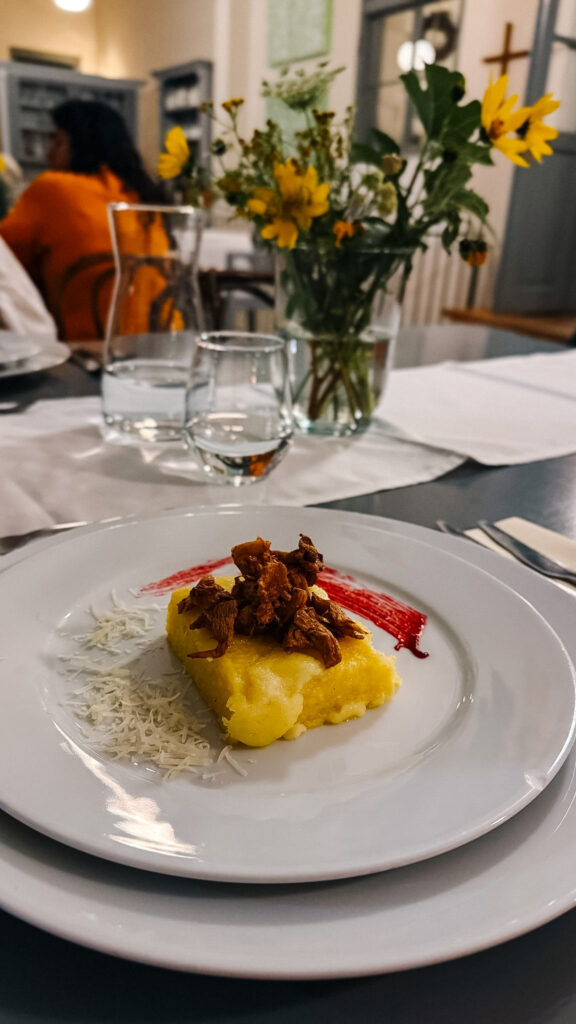
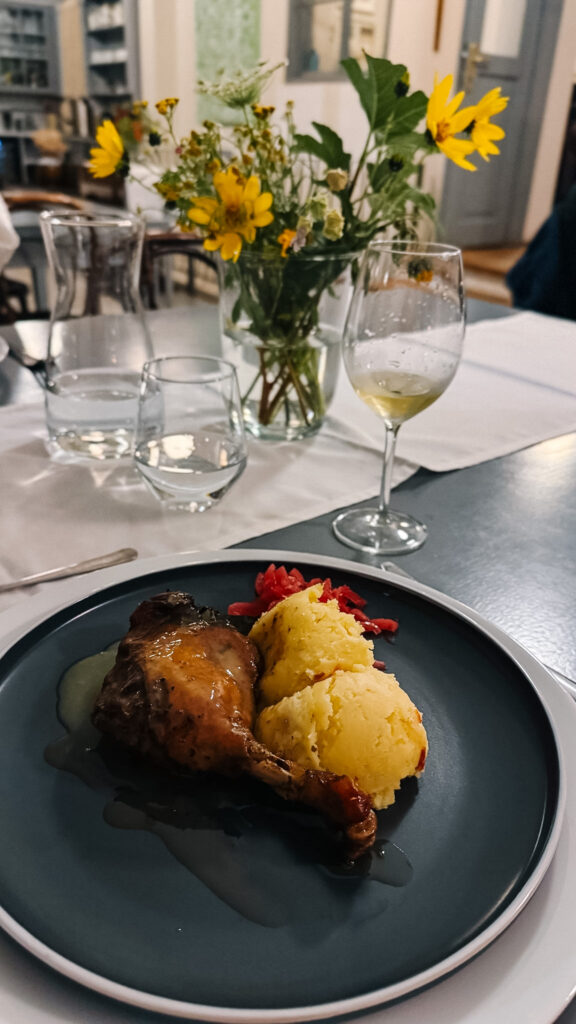
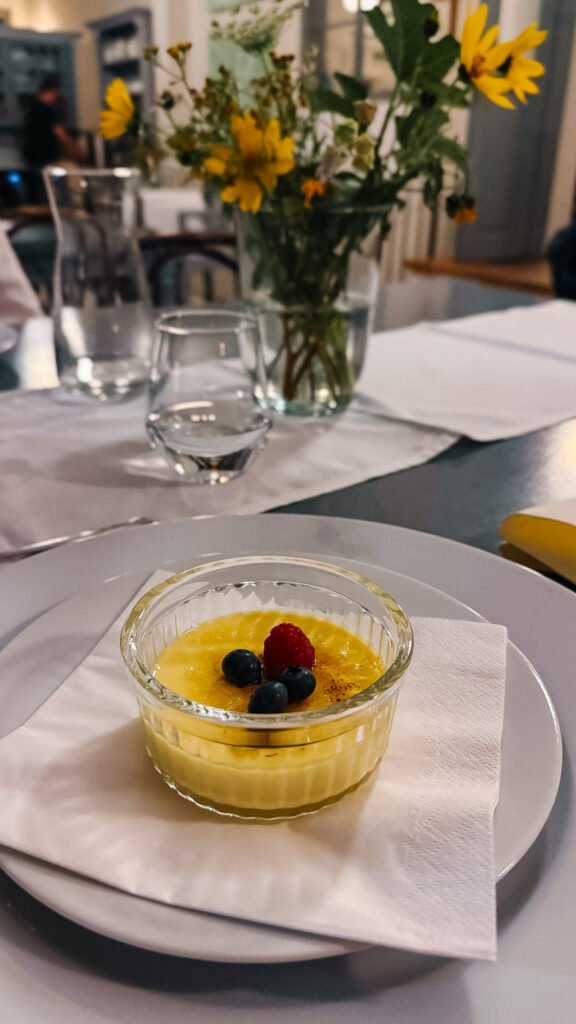
This is not the kind of restaurant where you are handed an extensive menu and everyone at the table orders something different. Both lunch and dinner are served as a set three-course menu, changing with the seasons and the ingredients available. Everything is prepared fresh, so meals need to be booked in advance, at least 24 hours ahead. During my stay, I had the chance to experience dinner here, and it genuinely left an impression on me. We started with mămăligă with mushrooms, a dish deeply rooted in the region’s culinary traditions, followed by duck, and finished with crème brûlée for dessert.
What I particularly appreciate is that traditional ingredients and local influences are not simply part of the story told about Transylvania here – they find their way onto the plate, shaping what is actually served at the table.
Breakfast is included in the room rate, and the way meals are organised feels very much in keeping with the spirit of the place. Rather than rushing through a hotel buffet that looks much the same wherever you happen to be, you get the chance to discover local flavours, chat with the hosts and exchange a few words with fellow guests. If you are planning a stay, I would recommend booking dinner as well. After all, this is a small village, not a city with a choice of restaurants around every corner, and the food here is an integral part of the experience. When making your reservation, it is also worth letting the hosts know about any allergies, intolerances or dietary requirements, as the menu can be adapted accordingly.
To me, it is precisely these little details that hold all the charm and magic of Cincșor. It is not simply about spending the night in a restored former school or enjoying dinner in a historic setting. It is the way architecture, food and hospitality come together to create something that feels entirely coherent and true to its surroundings. Cincșor is a wonderful find for anyone travelling through Romania in search of something beyond yet another beautiful hotel. For those who want to get under the skin of a place, discover its stories and experience its particular atmosphere. And although it may sound like a well-worn travel cliché, this really is somewhere you can slow down for a few days, leave the rush behind and simply enjoy being there.
Things to Do in Cincșor and the Surrounding Area?
If you arrive in Cincșor expecting to spend your days visiting one castle after another and ticking off attractions on a map, you might be in for a little surprise. Here, much of the pleasure lies in simply being. Wandering through the village, peeking down side streets and into open courtyards, admiring the old Saxon houses and watching the rhythms of everyday life unfold around you. These seemingly simple pleasures can easily take up more of your time than you might expect. That said, there is plenty to discover beyond the village itself. Cincșor makes an excellent base for exploring a lesser-known corner of Transylvania, particularly if you are interested in historic fortified churches, small rural settlements and the history of the Transylvanian Saxons.
The Fortified Church of Cincșor
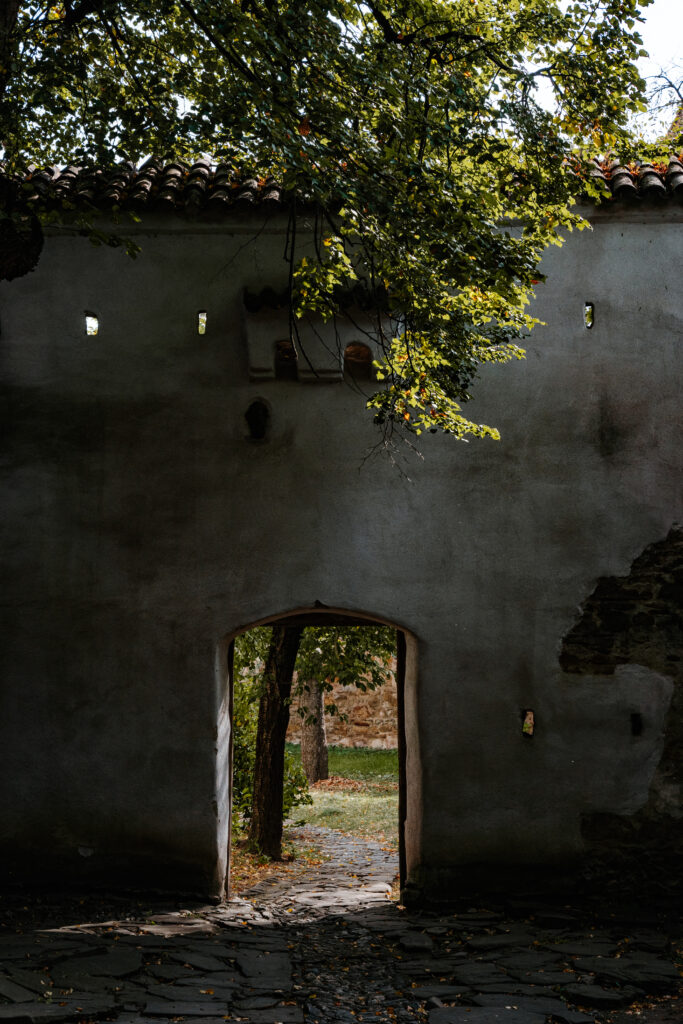
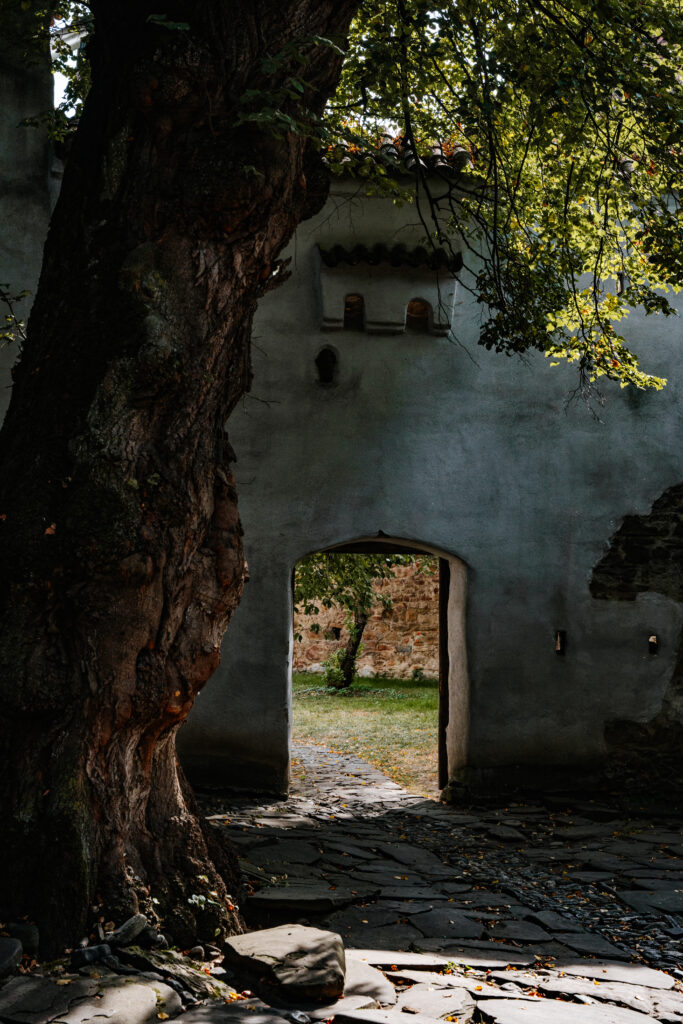
This is undoubtedly the first place you should visit, even if you are staying at the guesthouse for just one night. The history of the church dates back to the Middle Ages, with the present Gothic building completed in 1421. Over the centuries that followed, it was gradually enclosed by defensive walls and towers, built to protect the villagers from invading forces. It is well worth stepping inside to admire the historic furnishings, the organ dating from 1805 and the altarpiece painting from 1868, before wandering out into the courtyard enclosed by the fortifications. One of the towers houses a small exhibition, while its upper floor offers lovely views across the surrounding countryside towards the Făgăraș Mountains. The owners are happy to show visitors around, sharing their knowledge of the church's history, its restoration and the work that went into bringing it back to life. Their stories make it much easier to imagine what village life might have looked like several centuries ago, while also offering a glimpse into their plans for the future. I was particularly fascinated by hearing how the community organised life behind the fortified walls during Ottoman raids.
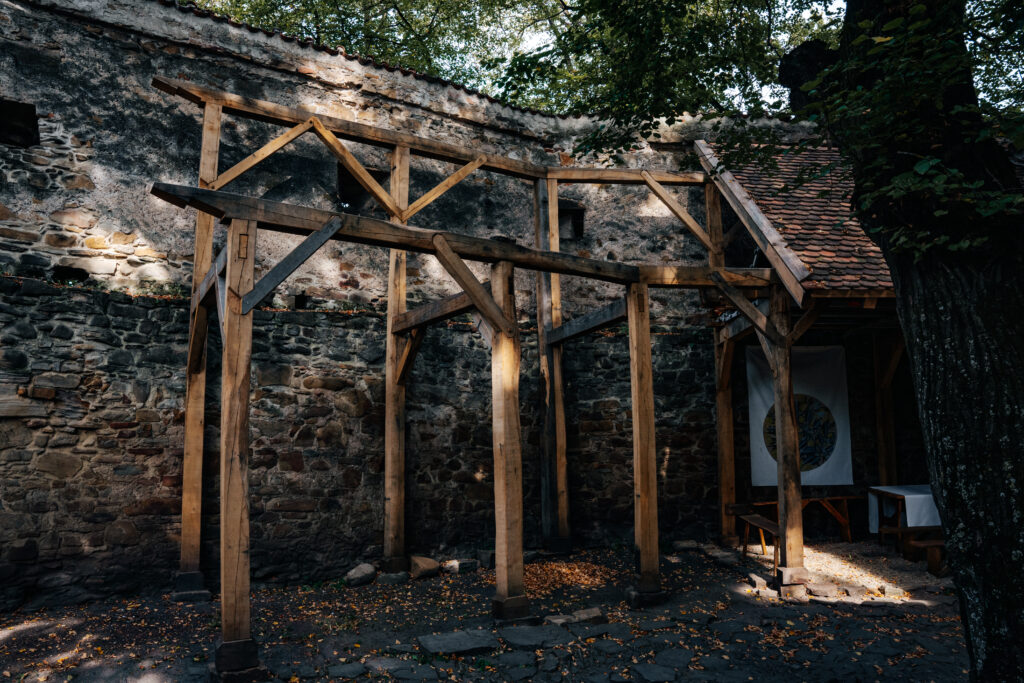
The fortified church was, in many ways, a small fortress in its own right. It had to provide not only protection from attack but also everything a large group of people might need to survive within its walls for an extended period – sometimes a week, sometimes several. There had to be room for food storage, sleeping arrangements and even basic sanitation. During times of danger, the courtyard and the surrounding fortifications had to accommodate far more people than they would on an ordinary day, so every available space was put to use. Our host told us about wooden structures resembling bunk beds, where villagers could sleep when the entire community sought refuge from attackers. These are now set to be reconstructed by German students who come to Cincșor to take part in volunteer restoration projects.
A practical tip: the church is not always open to visitors, so it is worth arranging a visit in advance. For information about access and guided tours, get in touch with the guesthouse.
Făgăraș and Its Medieval Fortress
Just 14 km from Cincșor lies the town of Făgăraș, best known for its impressive fortress, surrounded by a wide moat. Cetatea Făgărașului dates back to the 14th century and was gradually expanded over the centuries, serving both as a defensive stronghold and a noble residence. Today, the fortress houses a museum where you can explore the history of the region, wander through historic interiors and discover more about Transylvania’s past. It makes for an excellent half-day excursion, particularly if you fancy breaking up your stay in the countryside with a visit to one of the area's most fascinating historic landmarks.
Other Saxon Villages and Fortified Churches
If Cincșor has sparked your interest in Transylvanian Saxon history, it is well worth exploring some of the other villages where this heritage has survived. Nearby Cincu is home to another fortified church, while a little further afield lies Viscri, famous for its traditional village architecture and its UNESCO-listed fortified church. Viscri is now considerably better known among tourists, but it is still well worth a visit. Take your time wandering along its colourful streets, peeking into local courtyards and discovering the traditional crafts that are still practised here.
Another interesting place to visit is Sâmbăta de Sus, home to Brâncoveanu Palace. The surrounding Făgăraș Mountains are also worth exploring if you feel like trading historic sights for a little time in nature. Cincșor therefore lends itself equally well to a slow weekend spent discovering a single village or as a starting point for a longer road trip through some of Transylvania’s less-travelled corners.
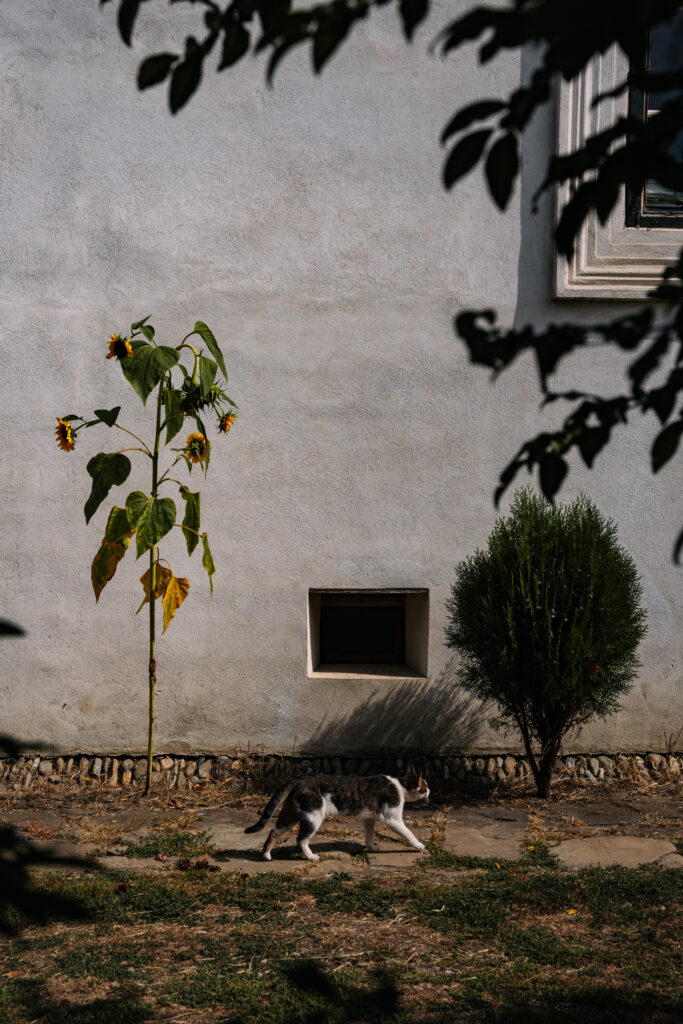
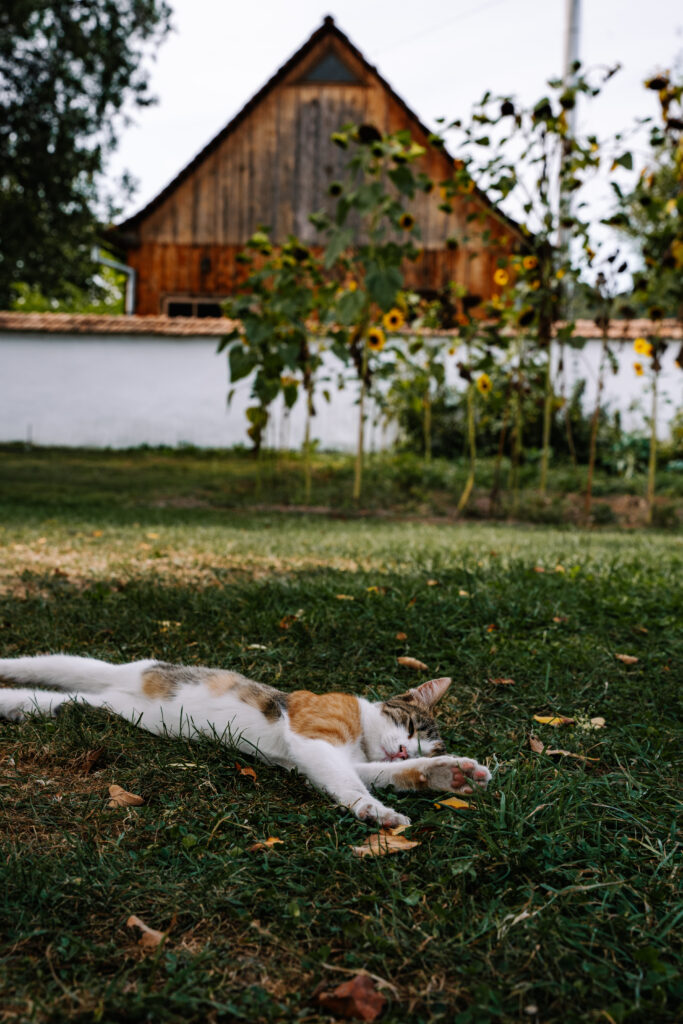
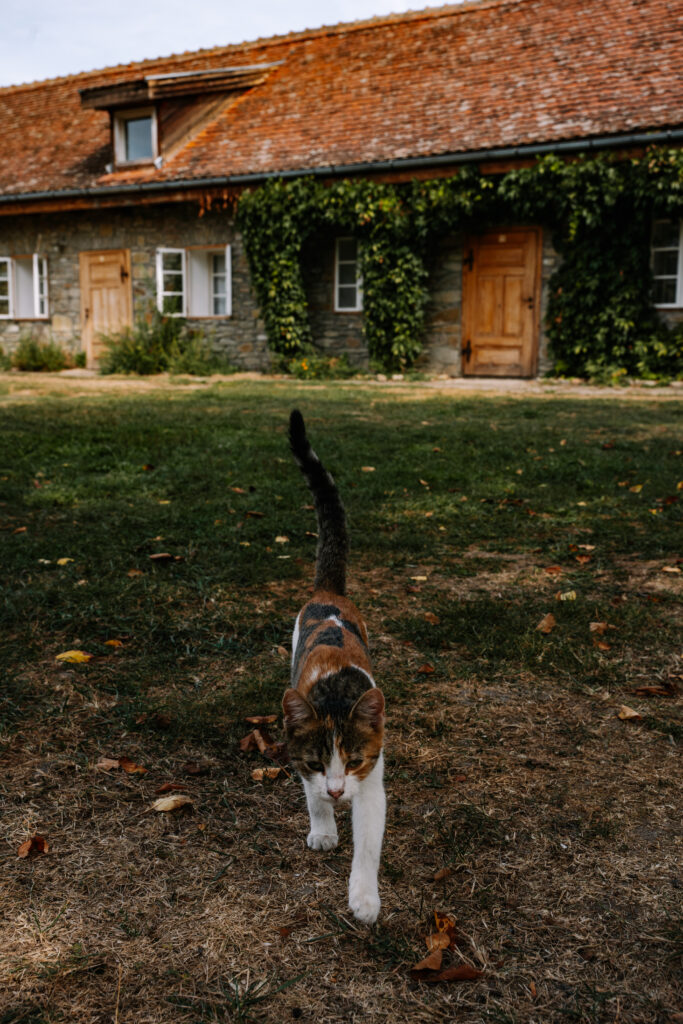
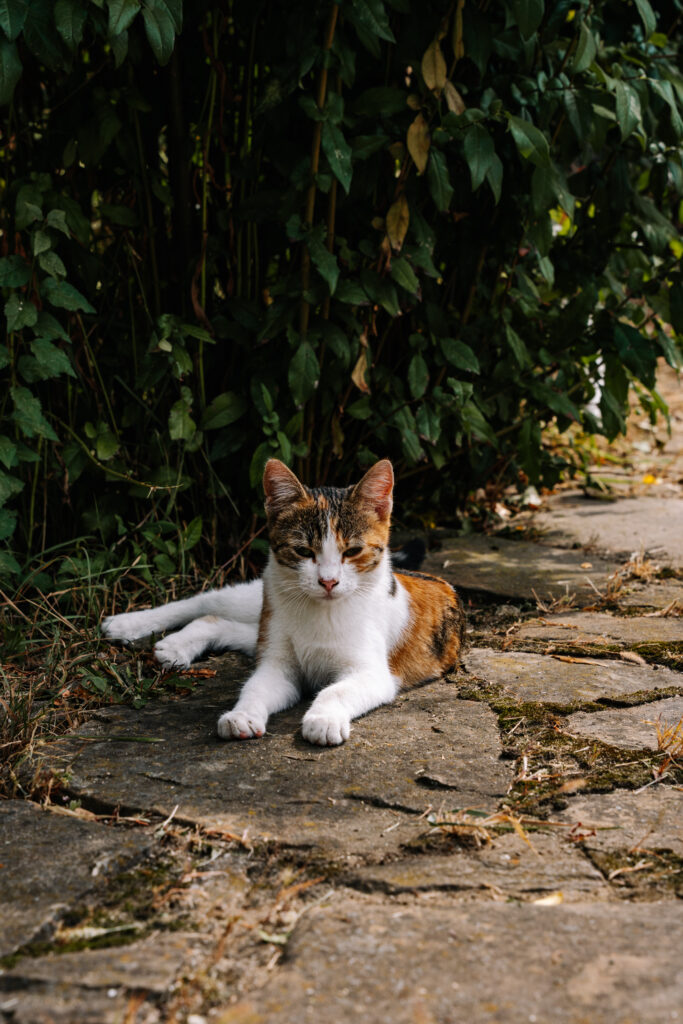
My advice would be not to cram too many sights into a single day. Cincșor is best enjoyed as a place to linger for at least one night: sit down to dinner, visit the fortified church and leave yourself some time to wander around the historic buildings with nowhere in particular to go, pet the resident cats and take a few photographs along the way. Only then should you set off to explore the neighbouring villages and historic landmarks.
My Personal Impressions
My stay here was brief, but it is one I will remember for a long time. I am so glad I had the chance to meet Carmen, discover this extraordinary place and hear the stories behind it. I was also lucky enough to visit while the artists’ residency was taking place, which gave me an even deeper sense of Cincșor’s spirit, its distinctive character and the atmosphere that makes it so special. To me, this is slow travel in its truest sense. Not about rushing from one attraction to the next or ticking places off a list, but about taking the time to uncover their stories, meet the people who bring them to life, share conversations and linger over a coffee or a glass of wine. I was particularly impressed by the care taken to preserve the authenticity of this place and keep its local history and traditions alive – whether through the restoration of historic interiors or a cuisine rooted in the region’s culinary heritage. There is something truly special about a place that manages to honour its past while remaining very much alive in the present. I would wholeheartedly recommend Cincșor to anyone looking to discover a little more of Transylvania’s history at a slower pace, away from the usual tourist trail.
Practical Information
Where Is Cincșor.Transilvania.Case de oaspeți Located?
The guesthouse is located in the village of Cincșor, in Brașov County, Transylvania, at Strada Principală 210. It makes an excellent base for exploring the region’s Saxon villages, fortified churches and some of Romania’s lesser-known corners.
How to Get There
The easiest way to get here is by car, particularly if you are planning to explore the surrounding villages and attractions. The guesthouse is conveniently located near the E68 European route, between Brașov, Sibiu and Sighișoara. The nearest major airport is Sibiu International Airport, approximately 90 km away by road, depending on the route.
What are the rates?
Rates listed on the website start at around €80 per night for a single room and €89 for a double room. Larger rooms, suites and premium categories come at a slightly higher price. Breakfast is included in the rate, while the final cost depends on the building, room category, dates and availability. It is worth checking the latest rates directly before booking.
Is Breakfast and Dinner Included?
Breakfast is included in the room rate. Lunch and dinner are available at an additional cost and must be booked separately, at least 24 hours in advance.
Availability
Guests have access to complimentary parking and Wi-Fi. Electric vehicle charging is also available on site.
The guesthouse states that it can accommodate guests with reduced mobility. However, given the historic nature of the buildings, the extent of accessibility should be discussed individually before booking. If you require a step-free room, a wheelchair-accessible bathroom or any other specific facilities, it is best to contact the hosts directly to make sure your chosen accommodation meets your needs.
For further information, you can visit the guesthouse’s official contact page or call +40 744 373 090.
How to Book Your Stay: Contact Details and Useful Links
The easiest way to book is directly through the property’s official website, where you’ll find room descriptions, current rates and a booking form.
- website: transilvania-cincsor.ro
- Address: Str. Principală nr. 210, Cincșor, 507261, Rumunia
- Phone: +40 744 373 090
- E-mail: kulturproject@gmail.com
My advice: if you want to fully immerse yourself in the atmosphere of this place, book at least two nights. One night is enough to see the guesthouse and the fortified church, but an extra day will give you time to explore the surrounding area at a leisurely pace and simply enjoy your stay.